Competition for the Audience Award Short Film 2021
Animated Film
Germany,
Poland
2021
5 minutes
without dialogue
Subtitles:
None
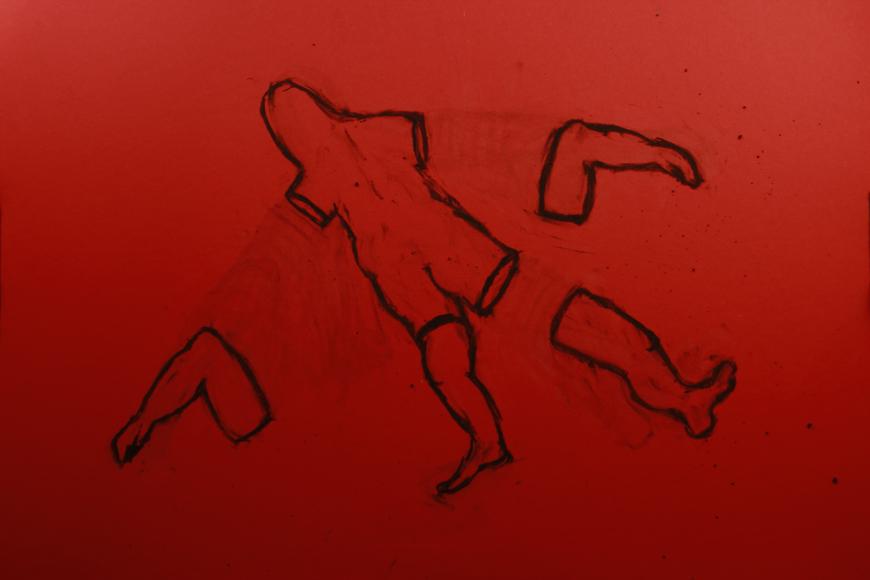
The cycle of domestic violence: tension, escalation, remorse, and then all over again. The woman in Izabela Plucińska’s film shares the fate of many sufferers: She can’t manage to break out. The metaphorical dumbbells she would have to lift to do it weigh 98 kilograms – like the man who does this to her. All she can do is dissolve, disappear and breathe silently into her individual parts. The animations keep erasing themselves, but painful marks are left behind.
The exclusive found footage from the early eighties shows a Poland groaning under martial law. At the same time, it shows a Poland where Solidarność is about to emerge.
In the early 1980s, Poland is in a state of emergency. The country’s democracy movement, represented by the free Solidarność trade union, is to be suppressed. To this end, President Wojciech Jaruzelski declares martial law on 13 December 1981. In collusion with the Soviet Union a threatening scenario is staged to justify the “stan wojenny”. As a result, Western nations like Great Britain and the USA impose economic sanctions on the Eastern Bloc state. This produces a complex field of tension in which the Polish population are confronted with existential shortages on the one hand but continue their struggle underground on the other – despite curfews, telephone surveillance and a media system controlled by the military. In his found footage film, Tomasz Wolski brings the explosive, the everyday and the iconic together to provide an insight into a situation that is as absurd as it is dangerous. The extremely dynamic (and musical) montage illustrates the rapid and convoluted succession of events while at the same time intervening through comments, quite often with a notable sense of humour, for example, when Wolski helps a British news correspondent not always on top of events to a bit of retroactive glory: “Most fundamental is the … Hang on, sorry, sorry, could you … Photography and filming will be widely controlled …”
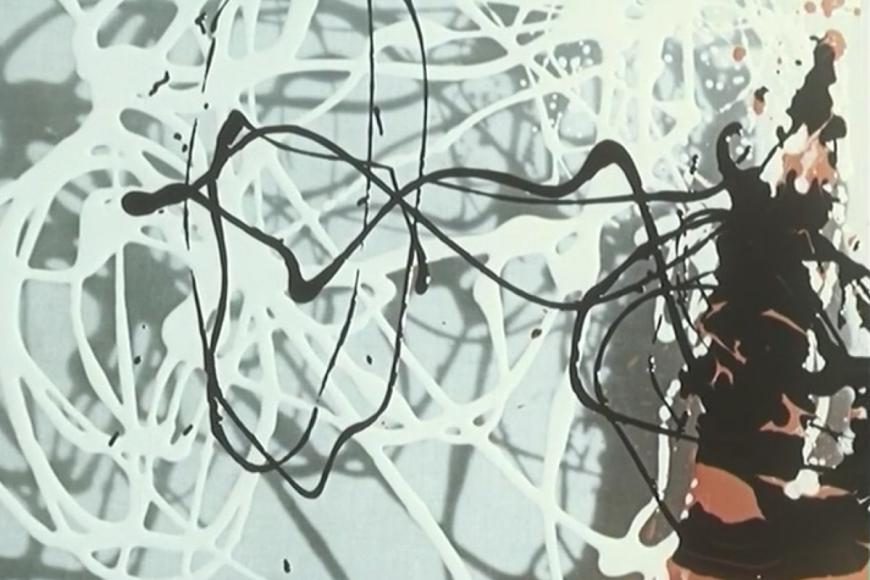
Originally intended as a documentation of Tadeusz Kantor’s “informal painting”, the film develops a life of its own: The abstract form-finding itself becomes the movie star.
Intended as a documentation of Polish artist and theatre-maker Tadeusz Kantor’s “informal painting”, Mieczysław Waśkowski’s film develops a hectic experimental life of its own. The gestural application of paint is staged on changing spatial levels by means of glass plates, camera movements and lighting, making not the painter but the abstract form-finding the movie star.
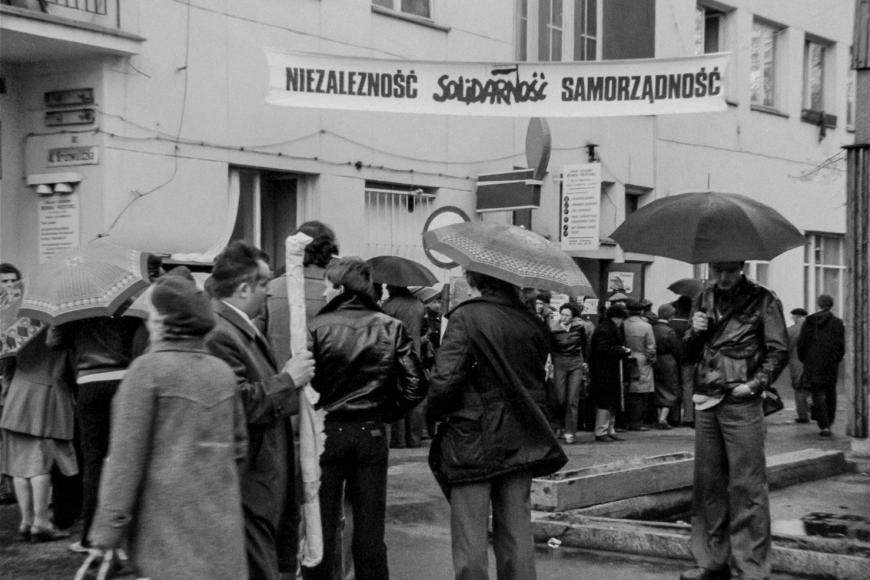
The authorities decide on the future of Solidarność, the masses protest in the streets. A general strike is in the air. For a moment, political change seems possible.
While the communist authorities decide the conditions for an official registration of the Solidarność movement inside, the masses demonstrate in front of the court outside. A contemporary document of the moment when the power of the people seemed to make a lasting cultural opening no longer just a promise but a possibility. At the time, “undesirable” at the Leipzig festival.
During the Corona lockdown in Saint Petersburg recorded calls to a help hotline reflect a dilapidated system in which the weak and elderly suffer the most.
Competition for the Audience Award Short Film 2020
Documentary Film
Poland
2020
30 minutes
Russian
Subtitles:
English
Against the backdrop of Saint Petersburg’s back courtyards during the Corona lockdown, Tatyana Chistova fuses recordings of the almost empty city and calls to a municipal hotline tasked with offering help and advice, but topics range from the banal to existential questions. Elderly people in particular are affected by poverty, hunger and loneliness. Chistova highlights that in a system that neglects its weakest members, the virus is not the only threat.
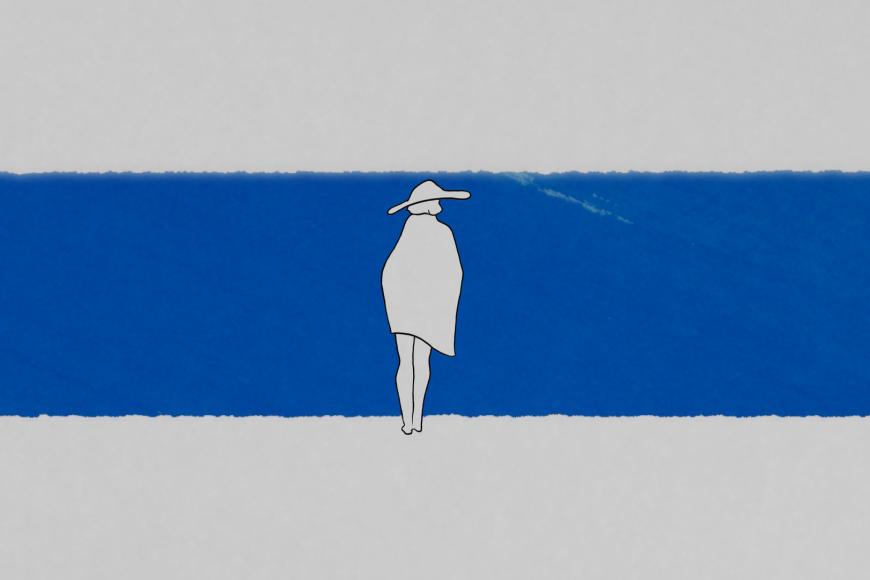
A trip to the beach expands to a family observation over two generations. This captivating minimalist stretching exercise does not need much: black and white and the deep blue of the sea.
The sea on whose shore Weronika Szyma has set her film is a dense, pulsating blue. The beach and the family who are staying there, meanwhile, are limited to delicate black and white line drawings. Their minimalism makes the blue stand out all the more enchantingly: Sometimes represented as a horizontal strip that promises freedom but also fuels insecurity. Sometimes sloshing diagonally across the screen, swallowing up the image completely for a brief moment and marking a caesura. And there are quite a number of caesuras, because the seven film minutes span the story of several generations.
At one point the father disappears and the mother and her almost grown-up daughter are left to fend for themselves. They learn to comprehend the loss, support each other, turn gestures of distance into gestures of affection. Until the confidence grows to start all over again. The only thing that does not change here is the blue of the sea.
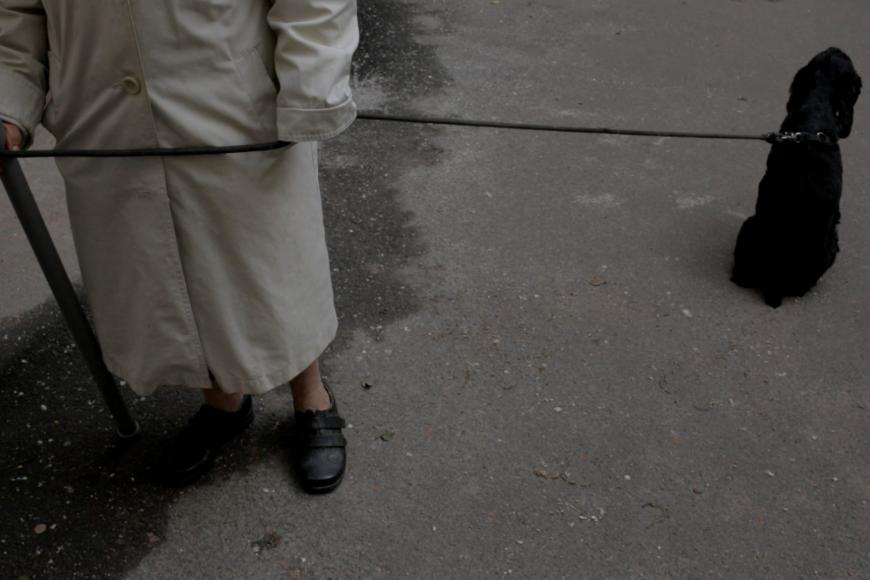
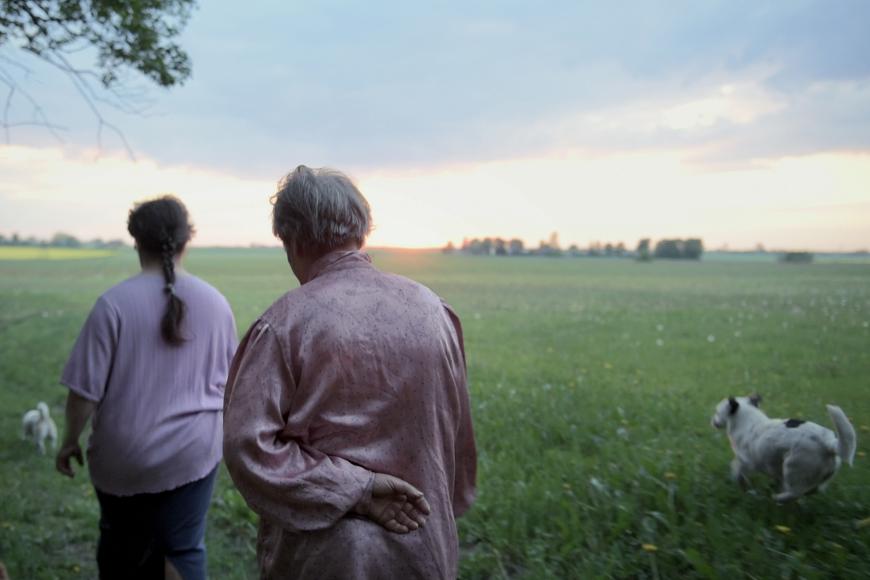
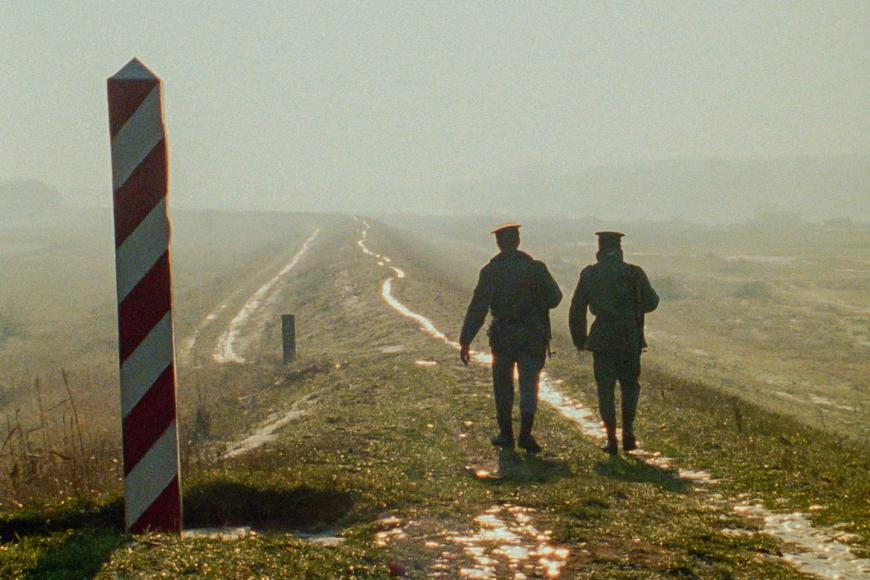
Country life as presented by Karol Pałka is not exactly romantic: two women, a ramshackle house, the ground wet, the clothes dirty. An unconventional visit to a wasteland.
German Subtitles for deaf and hard-of-hearing, English
Danusia and Basia are a mother and daughter, sharing a life presented by director Karol Pałka as supremely secluded. Far removed from any comfort, the seasons pass, a priest comes to visit, the women wade through mud and cultivate their habits. But, unnoticed by Danusia, Basia moves on a few back roads of her own that lead in other directions.
The nearest town seems light years away. Danusia and her daughter Basia lead a reclusive life in a ramshackle house in the country. The rooms are decorated with flower arrangements, scattered with devotional objects. Mother and daughter cultivate their connection to the supernatural, either in the shape of a strict Catholicism or as small rituals in nature. In one scene Basia dances around a fire like a witch. She is also the one who repeatedly seeks contact with the outside world. We see her with a mobile phone then, but the person at the other end remains intangible, unable or unwilling to break the spell around the mother-and-daughter team. It is a dense, almost deserted world which Karol Pałka in his debut film renders in gloomy, shadowed images that grow brighter only when spring comes. But even then, the dramatic opening piece “Specially for You” by the Ukrainian band DakhaBrakha still resonates.
Carolin Weidner
Credits
Director
Karol Pałka
Script
Karol Pałka
Cinematographer
Karol Pałka
Editor
Katarzyna Boniecka
Producer
Karolina Mróz, Wojciech Marczewski
Co-Producer
National Film Archive – Audiovisual Institute
Sound
Piotr Knop, Anna Rok
World Sales
Marcella Jelic
Winner of:
Silver Dove (International Competition)
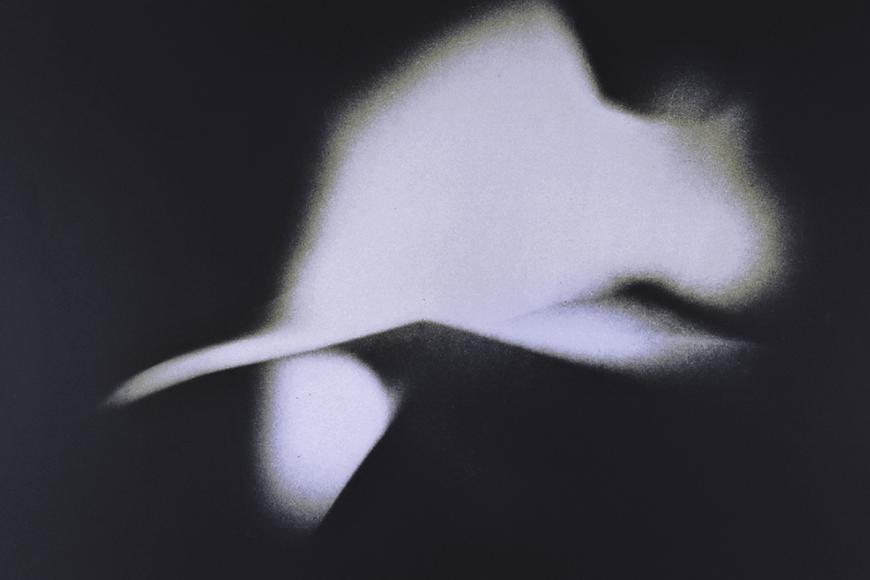
Soft clouds of light rotate, fan out and change colour: With his cosmic “Luxograms”, Pawłowski radically rethinks the Lumières’ serpentine dance and dematerialises the moving body. It exists neither on a real stage nor in the shape of a real dancer but solely in the projection with a sophisticated system of optical lenses.
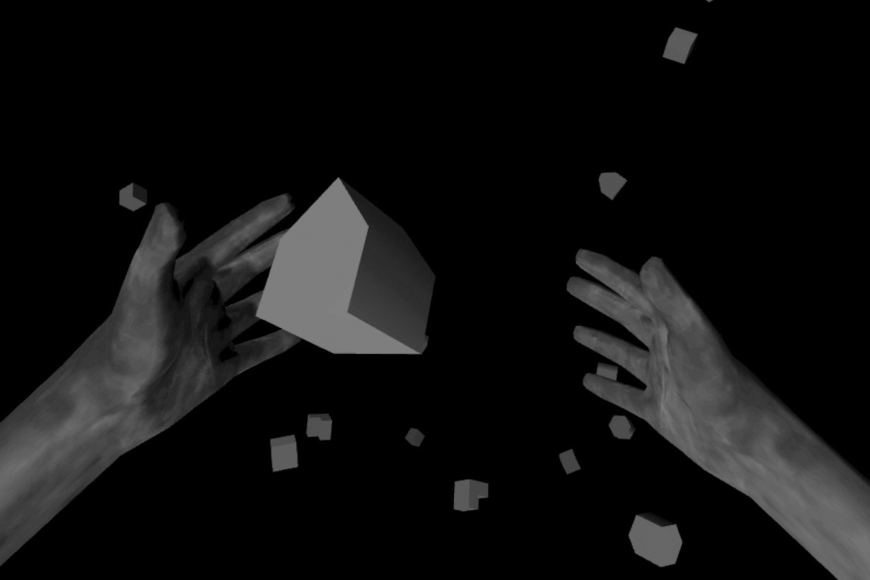
A VR experience as a psychological experiment that confronts us with feelings such as frustration, helplessness, stress, rage and grief, and debunks control as an illusion.
The Western culture of self-optimisation is based on the idea that one can control all aspects of life. This VR experience subjects us to a psychological experiment, confronting us with feelings such as frustration, helplessness, stress, rage and grief to show: Control is an illusion. Step by step, we are led from physical activation to contemplative perception.
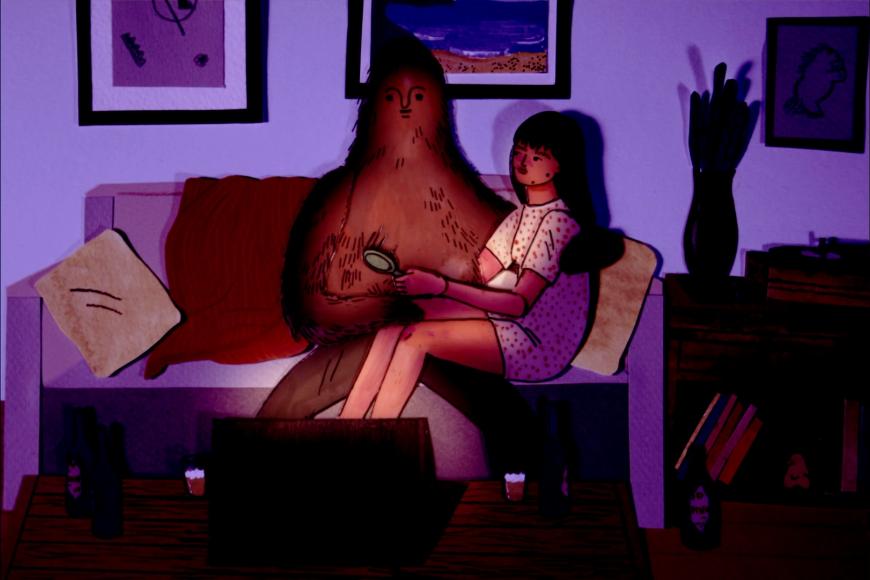
This wild, imaginative thriller in analogue cut-out technique – in the best Polish animation film tradition of the Łódź Film School – offers plenty of room for interpretation.
Spitting ponies, a cursed TV reporter and a hairy giant who is lovingly combed by his brunette girlfriend while she develops inexplicable fears about her own foot. This will later literally be shot off – the foot, not the boyfriend! A faceless man is also there – acting in alliance with the ponies. This colourful, ominous animated thriller made in analogue cut-out technique addresses states of anxiety, masochistic fights and media criticism. Perhaps.
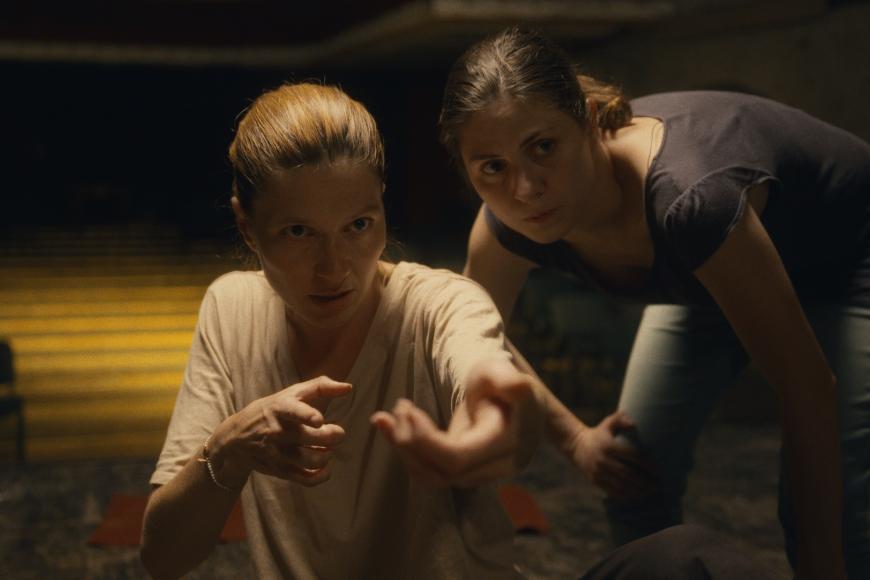
Five young people from Ukraine talk about their lives after the Maidan Revolution of 2014. Not all of them fought in the Russian-Ukrainian war, but the war, however, shattered their life plans. Representing “Generation Maidan”, they face the question of how to cope with experiences of violence, how to go on. Theatre director Roza Sarkisian produces a Hamlet adaptation with them in which they can use Shakespeare’s tragic character as a mirror and face their traumas on stage again.
For them Hamlet’s question “to be or not to be” is not just a historical text, but a current and existential dilemma that has no clear answer. The film follows the rehearsals where different biographies, self-images and political positions clash: A soldier meets his first LGBT person, the feminist quarrels with the fact that the war has undone hard-won emancipatory achievements. Frictions and differences are exposed, compromises are strenuously negotiated. Eventually the film’s focus widens and leaves the stage to introduce the five as individuals with their own inner struggles. The result is a many-layered, dense portrait of a torn and yet powerful Ukrainian generation who, due to the Russian invasion, find themselves at war again, only a few months after their production premiered.
Luc-Carolin Ziemann
Credits
Director
Elwira Niewiera, Piotr Rosołowski
Cinematographer
Piotr Rosołowski
Editor
Agata Ciernak
Producer
Andreas Banz, Matthias Miegel, Magdalena Kaminska, Agata Szymanska, Robert Thalheim
Sound
Marcin Lenarczyk, Jaroslaw Sadowski, Andrii Nidzelskyi
Sound Design
Jonathan Schorr
Score
John Gürtler, Jan Miserre
World Sales
Katarzyna Wilk
Broadcaster
Eva Witte-Toetzke, Beata Ryczkowska, Alicja Gancarz
Everything goes downhill. For whom? Marian Cholerek leaves that to the audience. After all, there was no way he could tell his story about a joint action of alleged oppositional forces in 1979 unequivocally. His years of work on animated series for children and his penchant for erotically charged humour, however, are unmistakeable. A cheerfully subversive children’s film for adults.
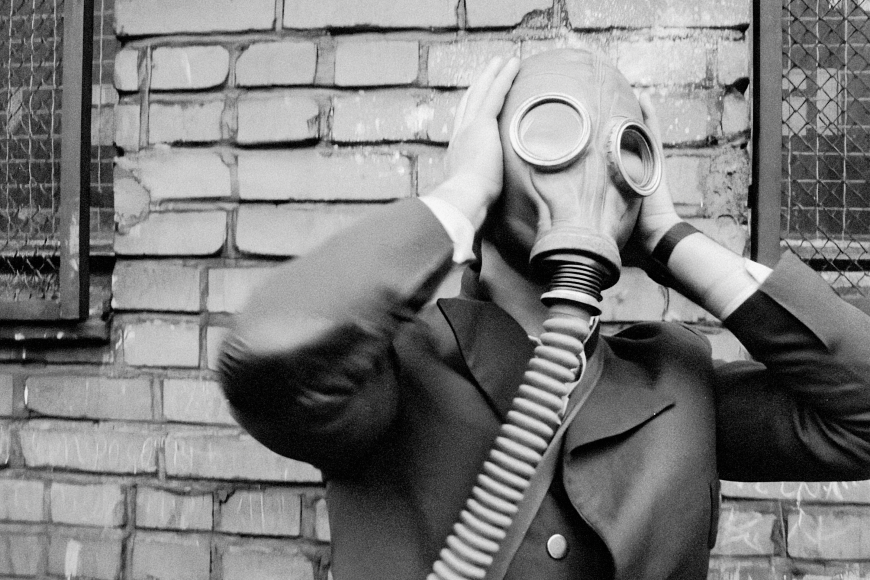
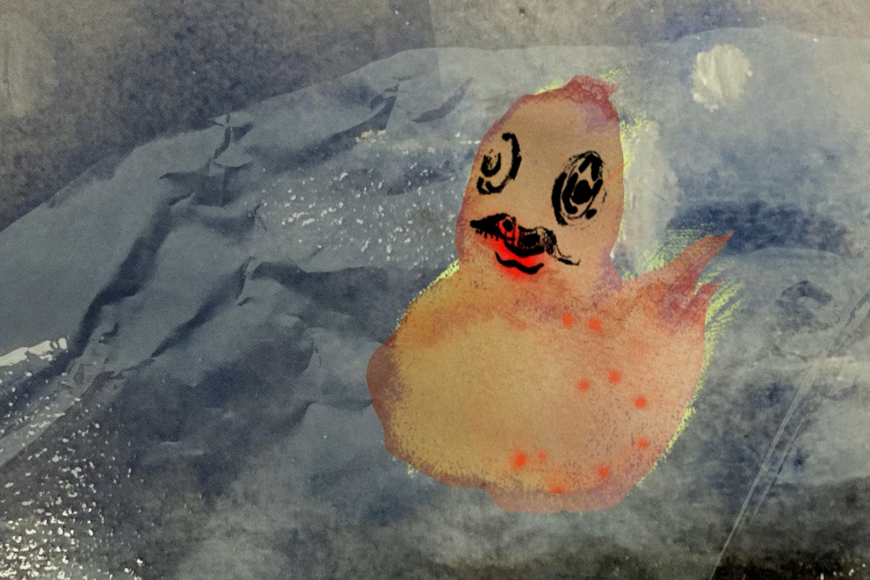
Tunnel vision, dark circles under the eyes and breathlessness – a hangover in the bathtub. The conversation with the small rubber duck turns into a darkly poetic lament about last night’s filth.
Tunnel vision, dark circles under the eyes and breathlessness – a warm bath will help against the traces of an exhausting night out. If it wasn’t for the small rubber duck, who starts to interrogate you in your hallucinating fatigue. Your crumbled memories return one by one, spiked with accusations. The conversation slips away towards an overwrought, darkly poetic lament about the filth of the night you passed. Maria Dakszewicz not only invents highly original and apt linguistic images in which “drops of sweat are floating like kebab grease” on the bathwater. Her watercolour-spotted drawings with their rough black lines also bring the taste, smell and seediness of the food stalls you frequented on the way home into the supposedly cleansing domestic hygiene idyll. A darkly humorous hangover where you have to share the bathtub with yourself.
Refugees from the GDR in Warsaw, shortly before the fall of the Wall. Emotional fates, unfiltered. The interviews were forgotten and only re-discovered 20 years later.
Shortly before the fall of the Wall, tens of thousands of GDR citizens fled to the West, most of them via Hungary. Many ended up stranded in the West German embassies in Prague and Warsaw. Refugees from the GDR were interviewed in Poland, speaking openly and emotionally of their fates. The footage was forgotten and only re-discovered 20 years later.
Surrounded by high-rises, Natalia has created her own, not-so-small paradise: Goats roam free, shrubs and fruit trees bloom, the chickens busily lay eggs. Natalia meets repeated attempts to buy the plot with brusque derision. Even when the city and country are attacked by Russia in the wintry February of 2022, she retains her apparent carefree resistance: While all the lights around go out at night, there is a warm and cozy glow from Natalia’s house. Only Kitty, with whom she lives, expresses concern, organises his flight from Ukraine and prophylactically shows the spots that would be safest in an air raid. Adelina Borets’ portrait of an incorruptible woman finds its own unique tone, shows a simple everyday life throughout the seasons that presents itself as self-determined and buoyant despite the worsening situation. Borets adopts Natalia’s manner as natural, gives her space. The dimensions of the war unfold step by step, at Natalia’s own pace and by skilful cuts and pans. “Flowers of Ukraine” is a film about a disaster. But it is also a love song to life – and pickled tomatoes.
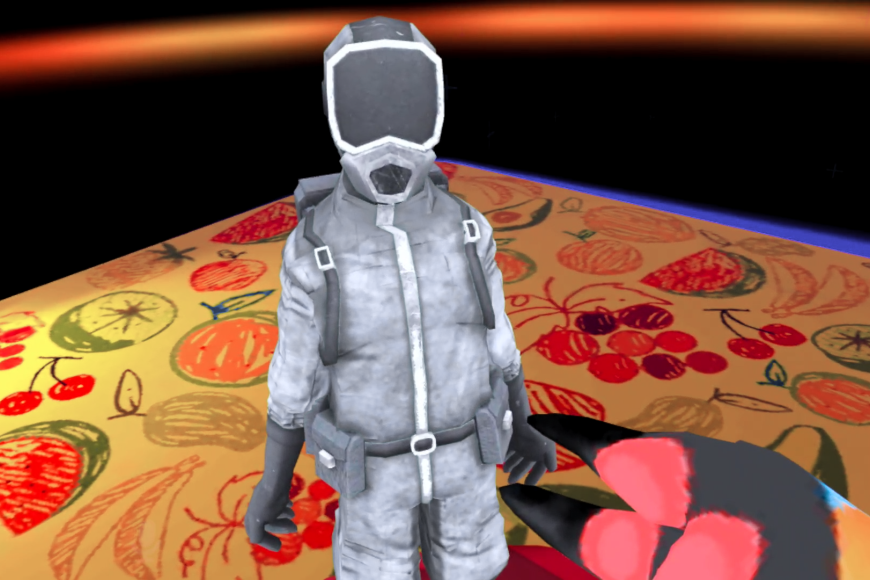
Is living as a mythical creature, mouse or furry not the most radical form of self-realization? In her film, Masłoń moves through VR spaces as an avatar to explore touch.
Is it not unlimited freedom, the most radical form of self-realisation, to exist in every conceivable setting as a flying mythical creature, a sad mouse or a furry figure with an extended naked spine as a tail? In her film, Monika Masłoń moves through different spaces as an avatar, exploring the subject of touching and being touched on VR platforms. Anything our phantasy can imagine can be created from pixels here. The limits of existence can be extended infinitely by a click. But what about human – or avatarian – closeness? Can an emotional signal like shaking hands be simulated in this VR world, despite the complete absence of physical bodies? When I see my avatar being touched, can my body memory suggest that I feel this tactile event even though there is no other physical body? Masłoń examines these questions with a delicate sense of humour and in exchanges with other avatars. But then we enter a VR space that feels more intimate: She has taken us on a personal date. How does the impossibility of physical touch in a long-distance relationship differ from that in VR? Can a VR date create more physical presence and still the longing for the beloved person better than other forms of communication?