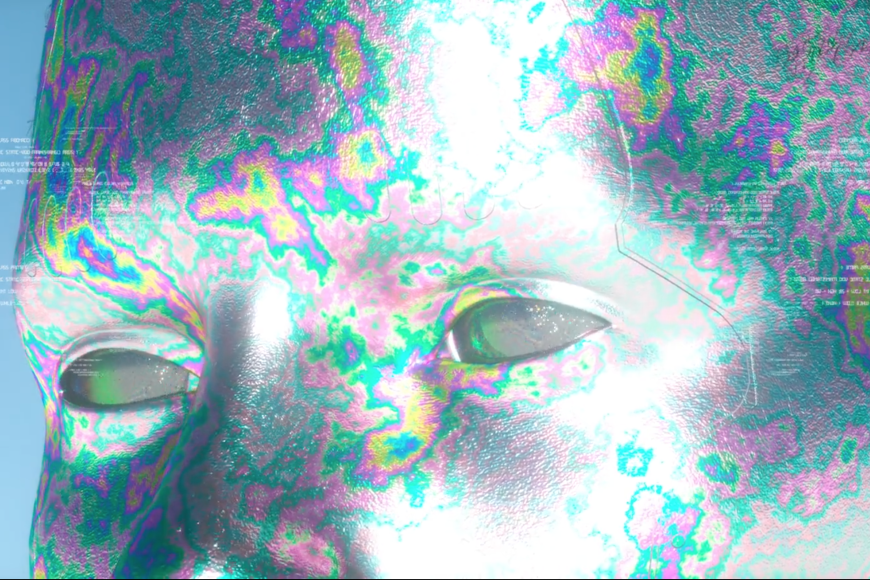
An experimental science fiction film which constantly changes with the weather, responding to real time data from around the world, listening and reacting to nature.
A cyborg of a film, the work is a living interaction of computer graphics and nature. Shaped in real time by weather patterns, the film’s rhythm and sequencing is tied with planetary data from over forty locations around the world. In the spirit of geomantic practice, this truly magical experience is about listening and reacting to Earth’s stories.
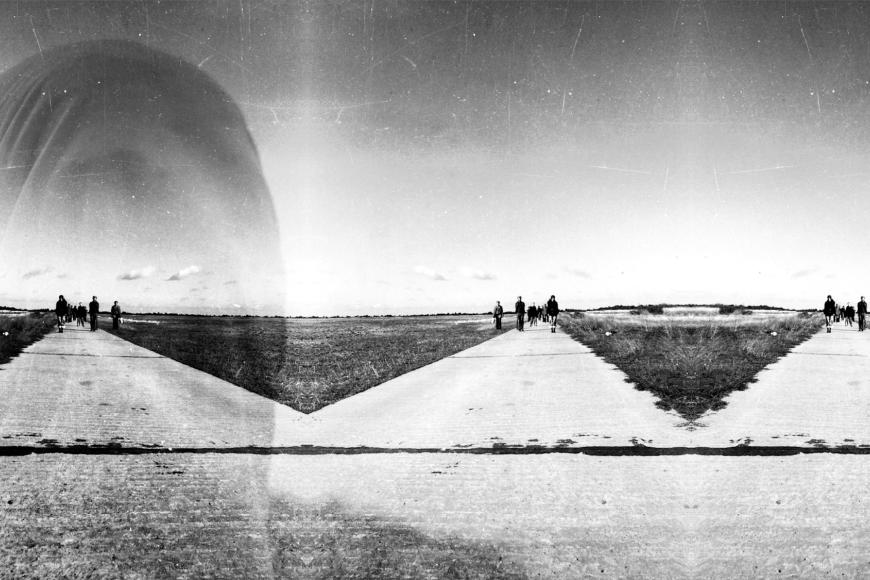
In the 1970s, the free spirits of the Clara Mosch artist group from Karl-Marx-Stadt declared the GDR a happening zone. A poetic film portrait about the power of art.
In the 1970s, the free spirits of the Clara Mosch artist group from Karl-Marx-Stadt declared the GDR a happening zone. A poetic film portrait about the power of art.
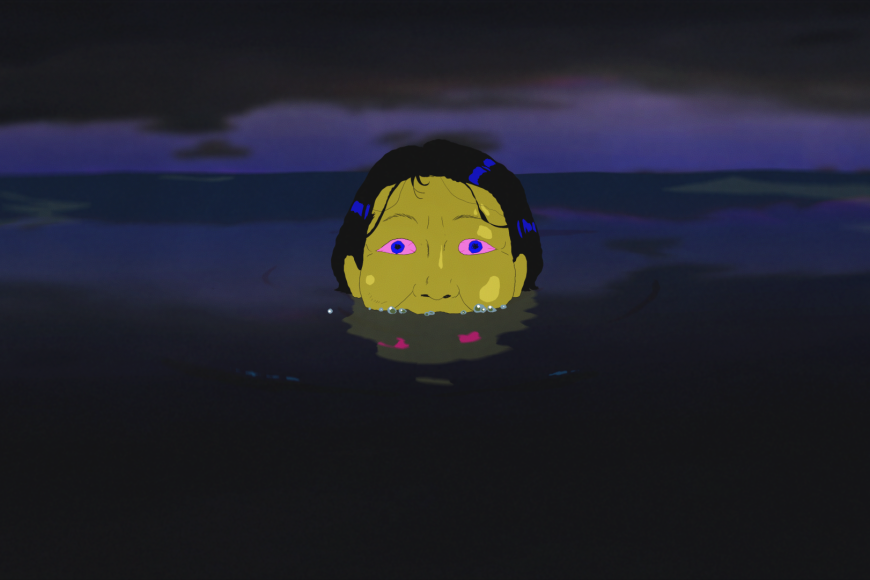
Ariel and Paul have no idea that this boring TGV ride is going to turn into a psychotrip. A film about primal fears, the power of the subconscious, and the hubris of playing God.
The train ride is deadly boring. The landscape rushes past as a buzzing surrealist kaleidoscope of colours and Ariel and Paul pass the time by drawing their worst nightmares for each other. For Paul it is his mother swimming towards him on the open sea to drag him underwater, for Ariel it is the confrontation with a psychotic woman in the bathtub. What starts out as a game turns uncanny when fellow traveller Gilda joins them – and begins to tell them that the eeriest thing ever happened to her. She hypnotised her demented husband in his sleep. The one who answered her had been none other than God. An indignant God, a disgruntled God and finally a downright angry God, for she had absolutely refused to stop asking her sleeping husband: “Why do we exist?” With an incredibly precise sense for the moment when the profane suddenly develops the potential for horror, Jocelyn Charles takes us on a magnificent psycho-trip. The director leaves it to the audience to determine whether to watch the 2D animation as spot-on genre entertainment or whether to take in the undertones: the hubris of humans who constantly play God and want to solve every mystery, for example. A hubris that does not remain without consequences.
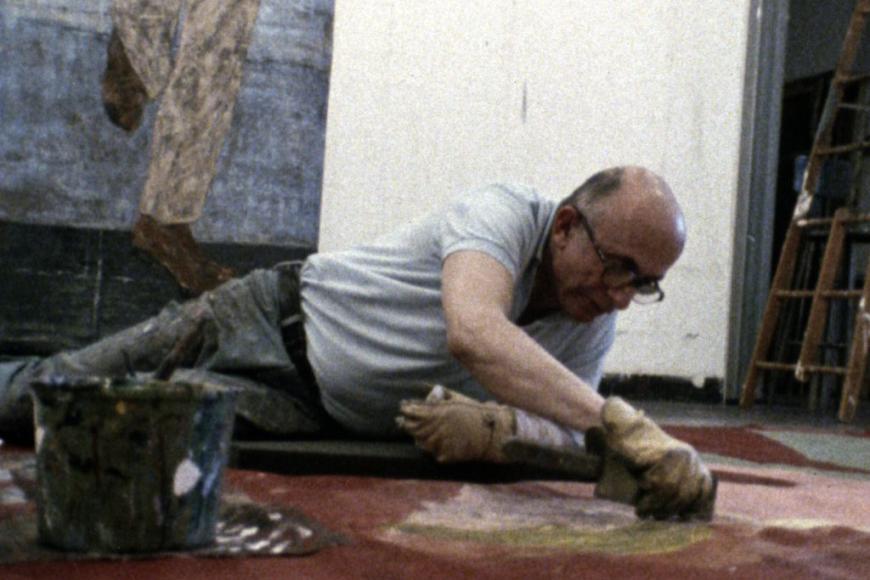
How can art respond to the horrors that happen in this world every day? Leon Golub offers insights into his New York studio and shows his unflinchingly political paintings.
How are art and social reality connected? How can art respond to the horrors that happen in this world every day? At what point does art become political, at what point corrupted by the market? Leon Golub (1922–2004) works on huge canvases in his New York studio, uses press photos as models, distils gestures from them, applies paint, removes it, scrapes free what was hidden. The process has a violent side – like the martial motifs of his works. They show shootings, tortures or grotesque figures that enjoy their inhuman acts. These are motifs usually unearthed by investigative journalism in times of war. Now they are hung in an exhibition room supposedly free from the banal – and shock the viewer.
A historical trade show film on various folding and stapling machines which are shown in action and explained in abundant detail, featuring exterior views of the factory in Plagwitz.
The Gebrüder Brehmer company produced wire stitching and folding machines and was one of the largest of its kind in Germany with up to 1,000 employees. Even in the early days of the medium, the company used film to promote its goods and cultivate its reputation. This image film presents the factory in Plagwitz and special folding machines, for example the “¾-Automatic Sheet Feeder”.





![Filmstill Messefilm der Fa. Gebrüder Brehmer [Ausschnitt]](/sites/default/files/styles/stepped_teaser_/public/fiona/films/stills/9a4bd28d-d399-49b5-aa0c-02a279d358df.jpg?h=346bc062&itok=L3e-BX-j)



![Filmstill Messefilm der Fa. Gebrüder Brehmer [Ausschnitt]](/sites/default/files/styles/film_stills_full_content_view/public/fiona/films/stills/9a4bd28d-d399-49b5-aa0c-02a279d358df.jpg?h=346bc062&itok=ND0OPpZr)