A primary school on the outskirts of Paris. With persistence and dedication, the children are encouraged to be responsible and empathetic. Successful pedagogy at eye level.
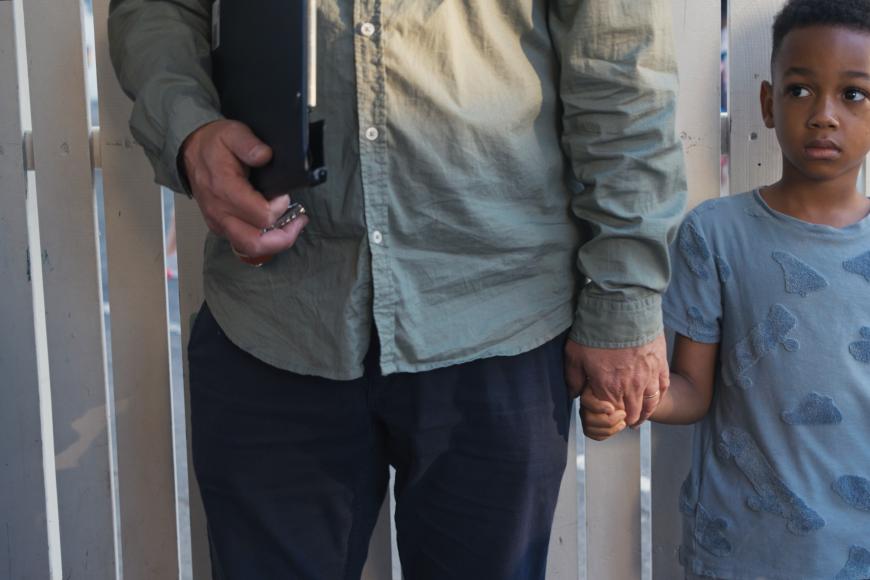
Claire Simon’s filmic observation focuses on the institution of school. But instead of a systematic analysis of the objectives and workings of this place of education, her emphasis is on the daily interactions between children and teachers. How are disputes resolved? How do you teach consideration, forbearance, empathy? The film explores these questions calmly and with an unobtrusive camera, using as example the Anton Makarenko primary school in Ivry-sur-Seine, just outside the south-eastern outskirts of Paris. Parents arrive with their children. The teacher shakes hands with a newcomer – a gesture of encouragement. In class, the instructors seldom raise their voices, authoritarian shouting is out of place here. The staff rely on dialogue instead, which in turn depends on trust and mutual respect. Claire Simon immerses herself in the life of this school and lets the captured moments between children and adults speak for themselves. A sensitive mosaic unfolds: moments of deeply felt learning and teaching bliss, boat trips on the Seine, turmoil in the schoolyard. All these details feed into the vibrant image of a pedagogical mission carried by small and big shoulders.
Em Johrden
Credits
Director
Claire Simon
Cinematographer
Claire Simon
Editor
Luc Forveille
Producer
Michel Klein
Sound
Nathalie Vidal, Pierre Bompy, Jules Jasko, Elias Boughedir
The director argues with her mother about her strict upbringing, which was marked by power and discipline, and questions the educational system in modern Georgia as such.
In her childhood, Maka attended her hated piano lessons in tears. When she asks her mother about it, she is told that this torment is extremely important for discipline. The conversation prompts an examination of whether current pedagogical routine in Georgia has strayed far from such a concept of education. A music school in which brutal emotional and verbal pressure is part of the curriculum; a ballet school where little girls must endure intense pain while stretching; a primary school class where even the most passionate recitation of a patriotic poem about the heroes of the motherland is cause for criticism. We plunge into a somewhat surreal, at times hilariously rigid world, reminiscent of a Palaeolithic dinosaur desperately trying to save itself in the present day. “Steel is tempered by fire,” says the mother. Her words express the burden of responsibility for her beloved daughter and convey many warm, previously unspoken feelings. “But I am a human being first,” Maka replies. The loving daughter insists that the idea of humanity based on authoritarian power structures must be overcome, because it is still reproduced in the most private relationships, including those between parents and children.
The longing for something to finally happen is fulfilled by a kiss. Not the romantic kind, however, but a monstrous one, a kiss the world will talk about.
The longing for something to finally happen is fulfilled by a kiss. Not the romantic kind, however, but a monstrous one, a kiss the world will talk about. Thus Dodi plods vigilantly through everyday life and parties, in a cloud of other people’s voices. “EXOMOON” follows her confident path: like a kaleidoscope with creative fractures.
The last syllable on the lips of a dying man is “da”. Koji Yamamura translates a short story by author Hideo Furukawa into a thrilling and highly dynamic film.
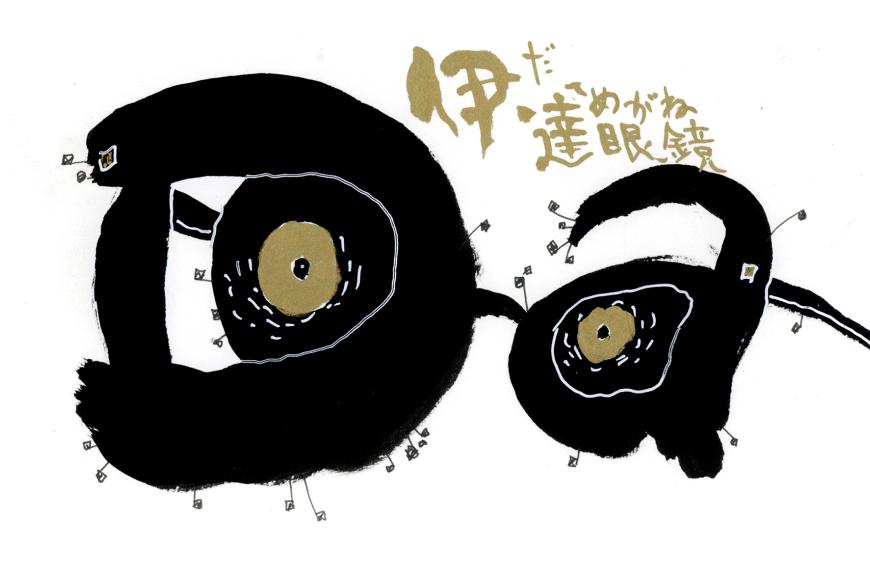
Life is short, extremely short. The time between birth and death seems to fly by. Snip your finger – and it’s all over. The last seconds are just long enough to pronounce the syllable “da”. It is precisely this syllable, spoken with someone’s last dying breath, that is picked up by a man who looks for the shortest of all things in the streets of Tokyo. The syllable whirls through his thoughts, triggering a torrent of reflections on the Japanese language that he gets more and more worked up about. In a dadaist manner, the “da” words hurtle at us like notes in jazz. Bold ink drawings move across the white background, sometimes fluidly, sometimes explosively. A last “da” completes the extemporisation and brings to a standstill all the energetic circling and vibrating that dominated the image before. The dying man closes his eyes. But the end is followed by a new beginning. “Extremely Short” marks the start of the series “Bungaku Bideo” – literature videos – which, commissioned by the Yanai Initiative, makes innovative accomplices of contemporary Japanese literature and international animation. In this case, Koji Yamamura encounters a piece of prose by Hideo Furukawa, listens to the monologue recited by the author himself and translates his linguistic furor into an exciting visual form.