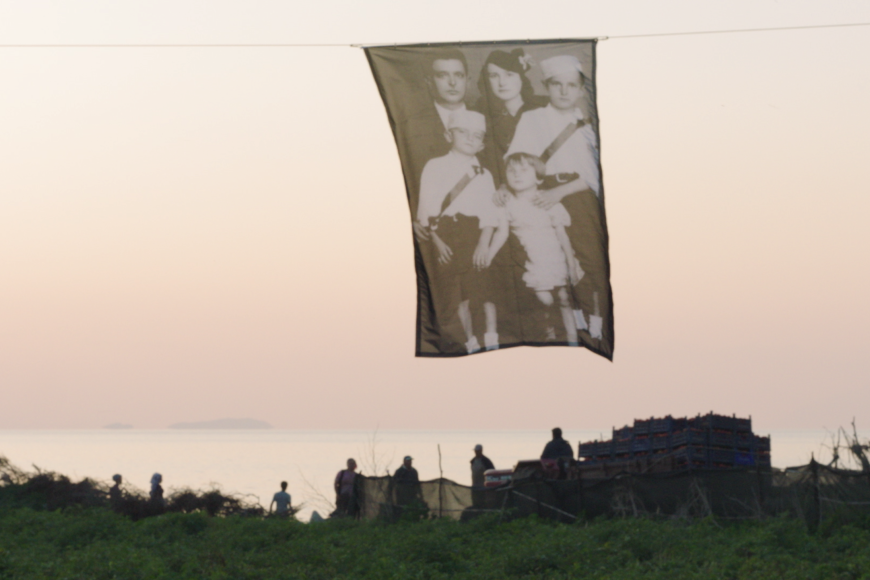
You feel welcome on Güler Yücel’s terrace. The temperamental artist presents colourful paintings of the life she knows intimately. Yücel lives and paints on the Turkish Datça peninsula. Her paintings are a chronicler’s narrative. They capture the exuberance of a wedding, follow labourers during the olive harvest, show a flock of goats. They also tell of her marriage to Can, a politically persecuted poet now dead.
When Güler Yücel feels too hot, she laughingly hoses herself down. Even her latest works must withstand the water test. We meet an unconventional woman who, though old, explores her surroundings with a beautiful joy of life. Inspired by the conversations and by Yücel’s works, the camera goes on a journey of discovery, resting on other women who confidently look and talk into its lens, like the goat herd about her time in the city, where she felt other-directed. Now she has found herself. Later, at a wedding party, the young bride proudly strides towards her future. Güler Yücel, too, has lived her life and known love. One of her paintings shows Can and her sitting naked in the sun. She remembers her husband, the political battles they fought together.
Anke Leweke
Credits
Director
Helke Misselwitz
Script
Helke Misselwitz
Cinematographer
Ferhat Yunus Topraklar, Yunus Roy Imer, Thomas Plenert
An entertaining vision for International Women’s Day as an admonition, inspiration and commentary about gender relations in GDR everyday life, in the form of a puppet animation.
The married couple Angelika and Horst Butter sum up successes and setbacks of their joint amateur filmmaking. They now produce elaborate puppet animations in their private rooms, under sometimes adverse conditions. They adapt fairy tale and fantasy sources, but also take up topical social issues, for example in an entertaining vision for International Women’s Day.
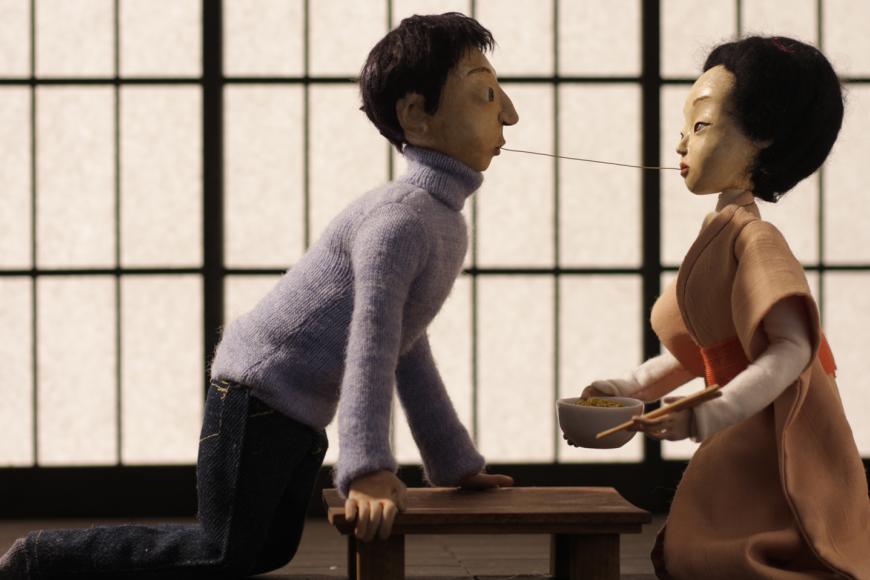
The Far East Film Festival in Udine is dedicated to popular Asian films. Špela Čadež’s trailer for its 11th festival edition is dedicated to the love of noodles that unites nations.
Since 1999, the Far East Film Festival, the biggest festival of popular Asian films in Europe, has been held annually in the Italian city of Udine. Špela Čadež was commissioned to design the trailer for its 11th edition in 2009 and delivered a crisp and short, wonderfully incisive puppet animation about the love of noodles – with or without cheese – that unites cultures and continent.
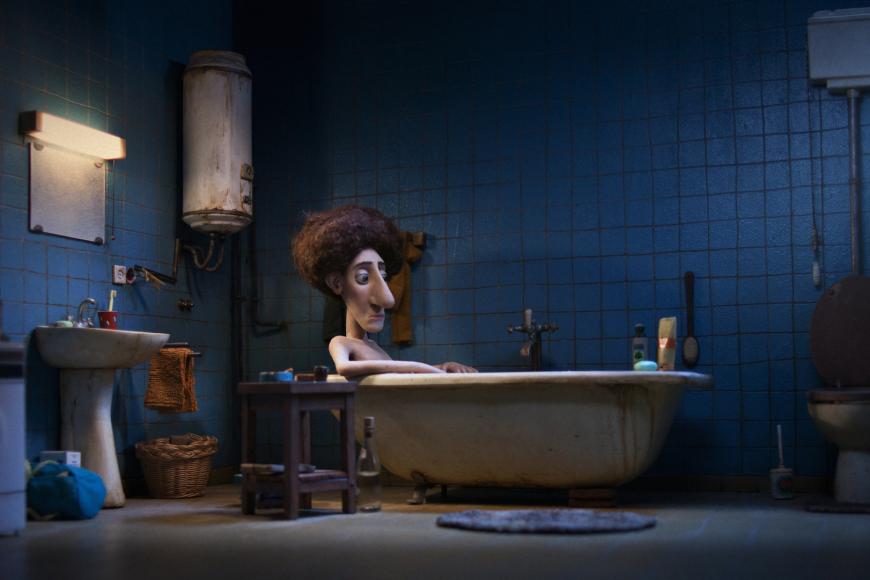
Lovro steps into the bathtub. A drop falls from the faucet and makes waves – into the past, back to the day he went fishing with his grandfather for the first time.
Lovro steps into the bathtub. A drop falls from the faucet and makes waves – into the past, back to the day he went fishing with his grandfather for the first time. Thoughts, sounds, bath utensils swirl memory and reality together … With this animated melancholia, Leon Vidmar, a student of Špela Čadež, continues in the vein of his teacher’s works in terms of craft and atmosphere.
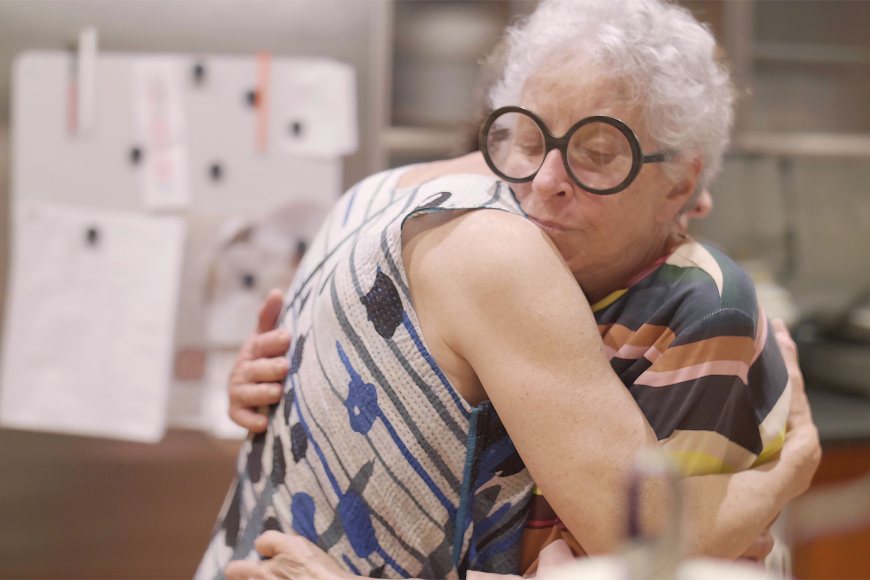
Daughter, mother and grandmother in Covid lockdown in New York. Three strong characters at close quarters having outspoken arguments and hilarious verbal duels. Delightful!
Take: three generations of women in Covid lockdown in New York, enough white wine, vodka and time to talk about the really important issues. Dana Reilly makes the best of the pandemic restrictions and films what happens when her mother Janet and 90-year-old grandmother Sylvia decide to move in together. The result is a funny and at the same time lovingly raw tribute to two strong personalities, their not uncomplicated closeness and completely different worlds.
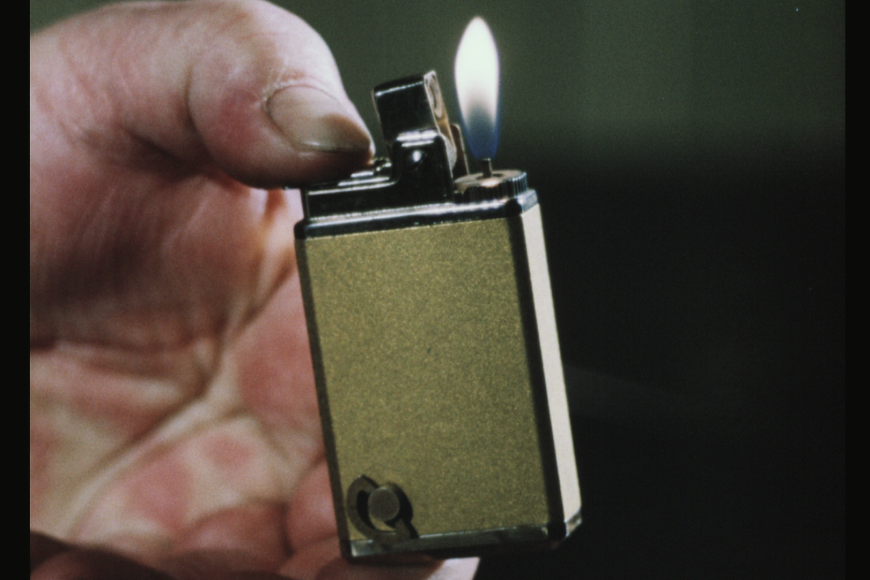
Rolf Jarschel’s passion are lighters. He owns the largest collection in Europe with more than 3,000 items. A small showcase of his most memorable exhibits.
Rolf Jarschel’s passion are lighters of every kind. He owns the largest collection in Europe with over 3,000 items. From Phoenician oil lamps via Döbereiner’s tinderbox to a solar-powered mini-flamethrower for everyday use, he offers glimpses of his impressive repository which is also travelling the country in a touring exhibition.
Philip Zengel
Credits
Director
Angelika Andrees
Script
Angelika Andrees
Cinematographer
Michael Halatsch, Jürgen Hoffmann, Wolfgang Randel
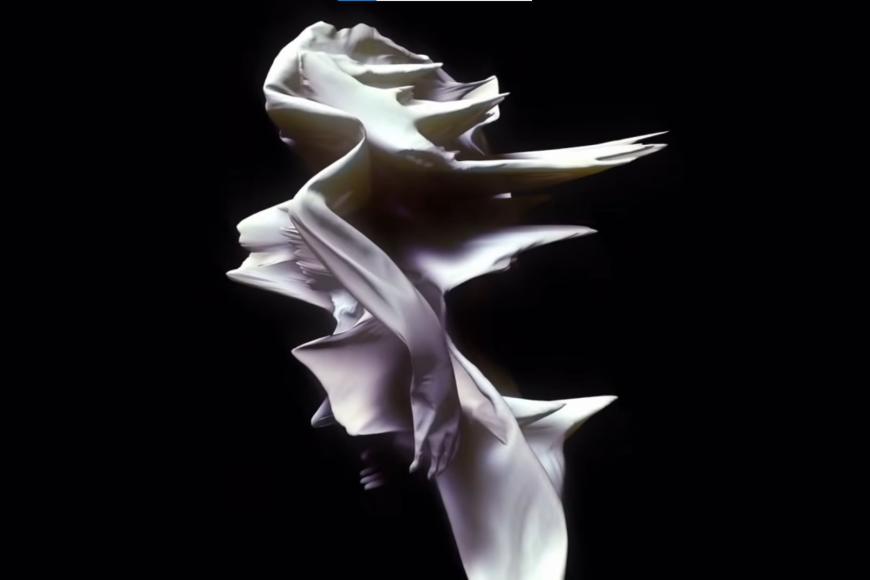
A naked body: Its skin envelope spreads and longs to be touched. The music asks what lust feels like and is answered by enchanting computer-generated images.
A naked body liquifies and becomes weightless. What’s left is its skin envelope which expands endlessly, longing for the tiniest touch. The increasingly shapeless figure vibrates in colours, fragments flashing, until the video track fails. The sensual piece by FKA twigs asks in slow motion what lust feels like. Jesse Kanda answers with enchanting computer-generated images.
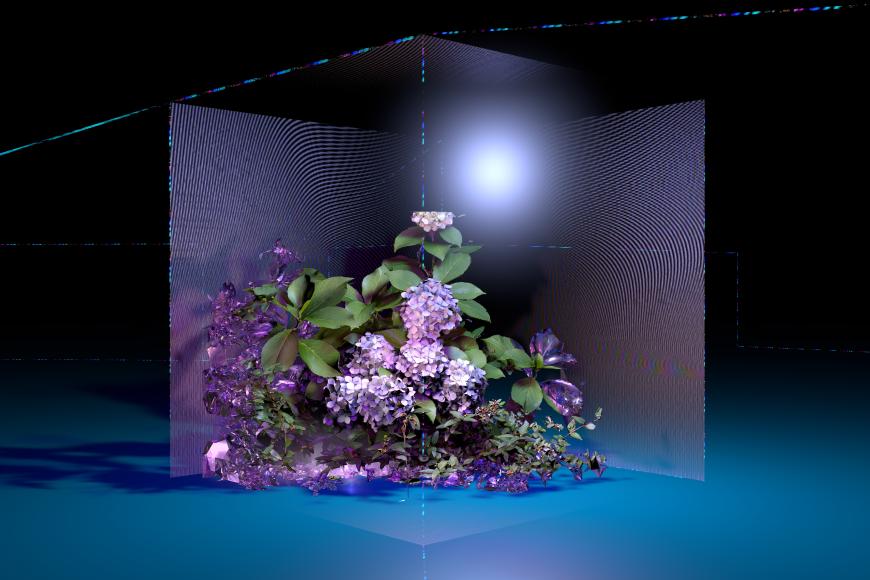
From the pictorial concept of the floral still life to a 3D archive for extinct plants: Floral sculptures add a new dimension to representation. But life? Stays still.
Ratté develops the pictorial concept of the floral still life into a new kind of illusionary space. The fragmented floral sculptures, created by 3D scans, design a speculative future in which extinct plants are preserved in a weightless archive. The representation gains a dimension but does not become more than a surface mould with no informative value about the living core.
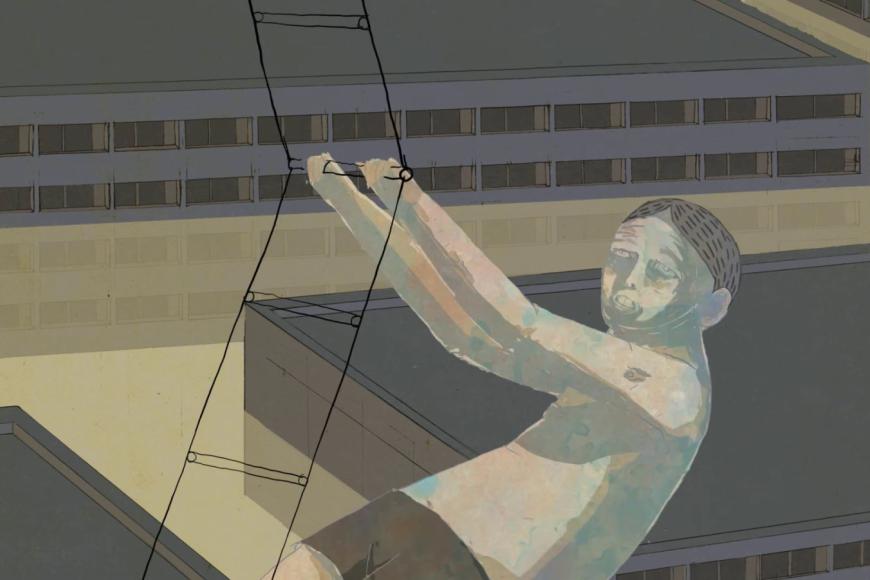
While an adolescent boy follows his clique to a shits and giggles party, his mother floods their sparse home with separation anxiety. A mysterious tale of cutting the cord.
Sigmund Freud’s dream symbolism relates birth to water that one – or so he says – either dives into or rises out of. While an adolescent boy gets mysterious phone calls and shyly follows his clique to a shits and giggles party, his mother floods the ever-sparser home with separation anxiety and absurd scenes, mocked by the pompously wall paper pattern with all its curlicues.
The battle of the herbs: Collecting edible plants is a political issue in the Israeli-Palestinian conflict, with economical, ecological and cultural implications.
The herb dispute, in this case about ’Akkoub (gundelia) and Za’atar (wild thyme) is one of the more bizarre aspects of the Middle East conflict. These plants are much sought-after ingredients of Palestinian cuisine and have been collected for generations; for reasons of nature conservation, however, this is forbidden in the West Bank. Israeli park rangers thus find themselves in hot pursuit of their collectors for a fistful of greens. Jumana Manna humorously presents the poaching as civil disobedience.
The Berlin-based Palestinian artist combines documentary and scripted material with pop references. Once, when archival footage illustrates the hype surrounding the illegal herbs, we hear Jefferson Airplane’s “White Rabbit” and Morricone’s harmonica melody from “For a Few Dollars More”. The ban also has an economic side, since Israeli companies are selling Za’atar as a spice mix. Drone and panoramic shots suggest the absurd manhunt for elderly people picking for their own needs. One of them says: “I’ll also be caught in 2050 with my children and grandchildren.” Manna wrote the court hearings based on real cases with lawyer Rabea Eghbarieh. Not mentioned in the film is the political success the attorney of the Adalah NGO contributed to in 2019: According to the new directive of the Ministry of the Environment five kilogrammes of the plants may be picked.
Following the traces of grandfather Leonid Burlaka, once a celebrated cinematographer, contemporary and family history unfold: fifty years of Soviet cinema and a life in the USSR.
In the 1960s, the Soviet cinematographer Leonid Burlaka worked on films that went around the world for the Odesskaya kinostudiya in his native city of Odesa in the former Ukrainian Soviet Socialist Republic. Today he is eighty years old and diagnosed with Alzheimer’s; his memory is visibly fading. Filmmaker Igor Ivanko follows the traces left by his grandfather and discovers an archive of immense value in the garage.
Dozens of rolls of photo film, albeit almost decayed, are found between gardening and other tools. The grandson scans the material and shows it to his grandparents. Burlaka’s face brightens when he recognises familiar faces, but he can’t remember much. Ivanko realises that he has a treasure of historical dimensions in his hands. Leonid Burlaka began his career when many Soviet creative artists were struggling with censorship. When state repression eased in the mid-1960s, he had long established himself in his profession. The political change, however, was reflected in his works. Ivanko’s attempt to record his grandfather’s memories before they disappear forever comes too late. But he succeeds at making a film that looks back on fifty years of cinema and life in the USSR: a stirring portrait of the times and the family between emotion and information.
Lina Dinkla
Credits
Director
Igor Ivanko
Cinematographer
Igor Ivanko, Illia Yehorov
Editor
Igor Kosenko
Producer
Mariia Ponomarova, Alexandra Bratyshchenko, Igor Ivanko, Peter Kerekes
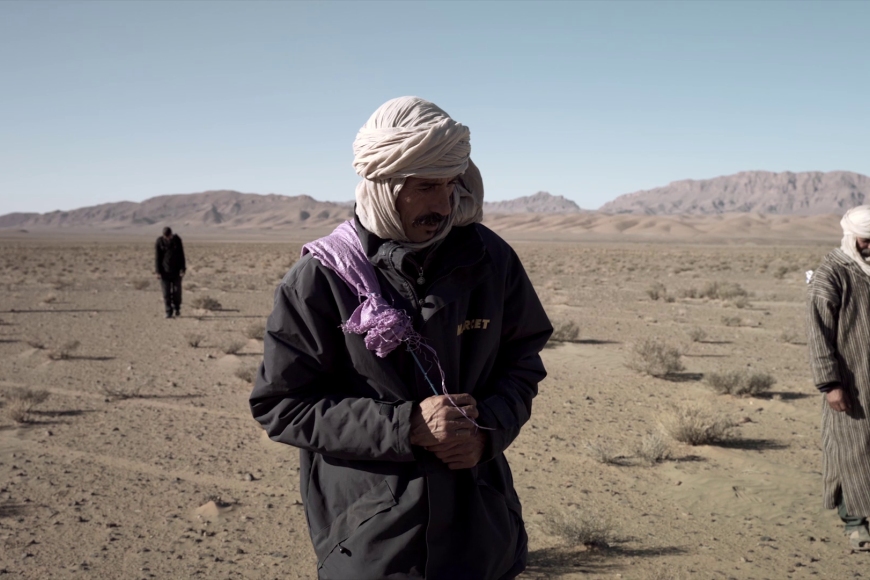
In the midst of the immeasurable expanse of the Moroccan desert, a nomad and a scientist search for celestial rocks. Both have great hopes tied to the meteorites.
In the midst of the Moroccan desert, characterised by rocks, scrubs and immeasurable expanse, two men are looking for celestial bodies. Pacing out this weathered ground is a downright gargantuan task. Both have great hopes tied to the meteorite fragments: While one of them is looking for knowledge, the other longs for a better life. Adnane Baraka’s impressive directing debut traces existential questions in powerful images.
The barren landscapes of south-eastern Morocco are known for frequent meteorite impacts. Mohamed, a nomad who lives with his family in a tent in the desert, decides to start searching. Like the other men who scour the terrain with him he hopes to find a valuable rock from space that would mean his escape from poverty. On the other side of the country, scientist Abderrahmane analyses meteorites for enclaves of long-dead celestial bodies. To reach the origin of our life, we have to look at the stars.
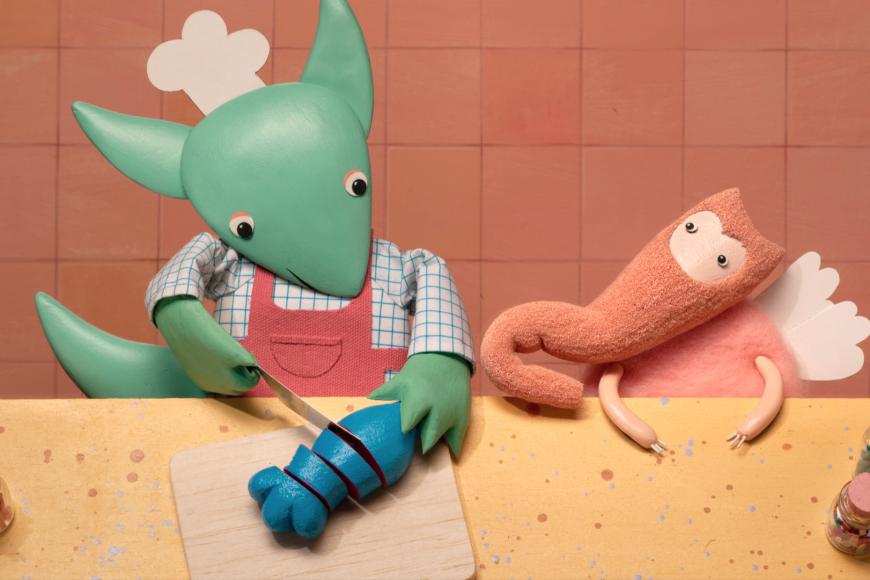
Franzy seasons her dishes with a special pink ingredient. When she searches for new supplies, she reaches a planet full of hungry creatures delighted with her culinary skills.
Franzy is an extraterrestrial cook who lives alone and also feels a little lonely. She loves to season her dishes with a special pink ingredient that makes everything taste extra delicious. But when the spice tin is empty, Franzy must go in search of new supplies. She reaches a planet full of hungry creatures delighted with her culinary skills.
Lina Dinkla
Credits
Director
Ana Chubinidze
Cinematographer
Sara Sponga
Editor
Antoine Rodet
Producer
Reginald de Guillebon
Co-Producer
Ana Chubinidze
Sound
Beso Kacharava, George Murgulia, Biko Gogaladze
Score
Erekle Gestadze, Zviad Mgebry
Animation
Chaitane Conversat, Lorelei Palies, Sophie Roze, Iulia Voitova
A naïve and pushy reporter travels to the provinces to find out about the state of equal rights in practice. A film curiosity of enlightening absurdity.
Karola Hattop juxtaposes the many media images of confident working women and the men who support them with a naïve reporter who finds out that in practice equal rights are often quite a different matter. Somewhat pushy, he seeks out women at the hairdresser’s and in the maternity wear department, joins functionaries in their cars, crashes wedding parties and sneaks into museum tours for children. A revelatory curiosity full of the casually captured mundane drabness that was often revealed more clearly in student films than in comparable DEFA productions.
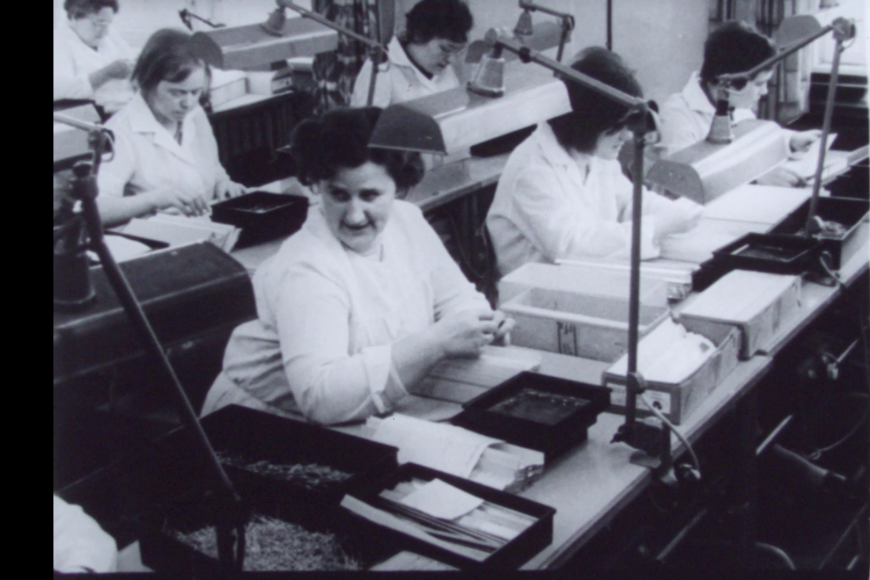
According to the film’s voice-over, it is the duty of a factory’s women’s committee to “exert a constant influence on systematic ideological-political and technical qualification”.
The women’s committees in the GDR factories promote the technical and ideological-political qualification of female staff members. However, the film identifies deficits in the women’s private environment, since the men by their side often support their professional development only to a limited extent and the women’s multiple responsibilities persist despite state support.
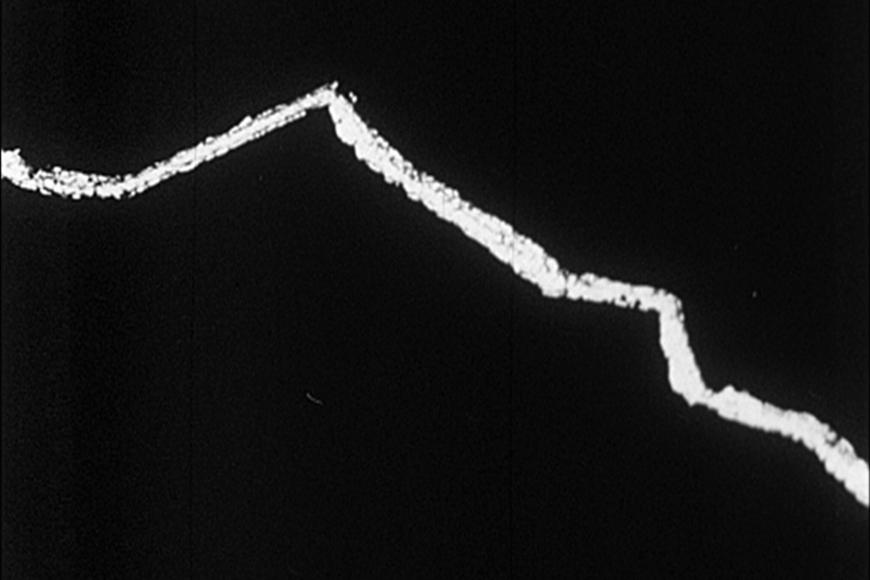
Flashes of dots, squiggles and lines scratched on the black leader create a space and an energy field to the rhythm of percussive African tribal music.
Len Lye’s uncompromising and poetic reduction of movement to its absolute essence. Flashing dots, squiggles and lines scratched directly on the black leader, sometimes as compressed or stretched zigzags, sometimes as straight or feathered verticals. They start running, then dancing, creating in the dark void a space and energy field to the rhythm of percussive African tribal music.