A synaesthetic essay film: Dystopic and anonymous stories merge in a collage of the disturbing social and political phenomena in times of the COVID-19 pandemic.
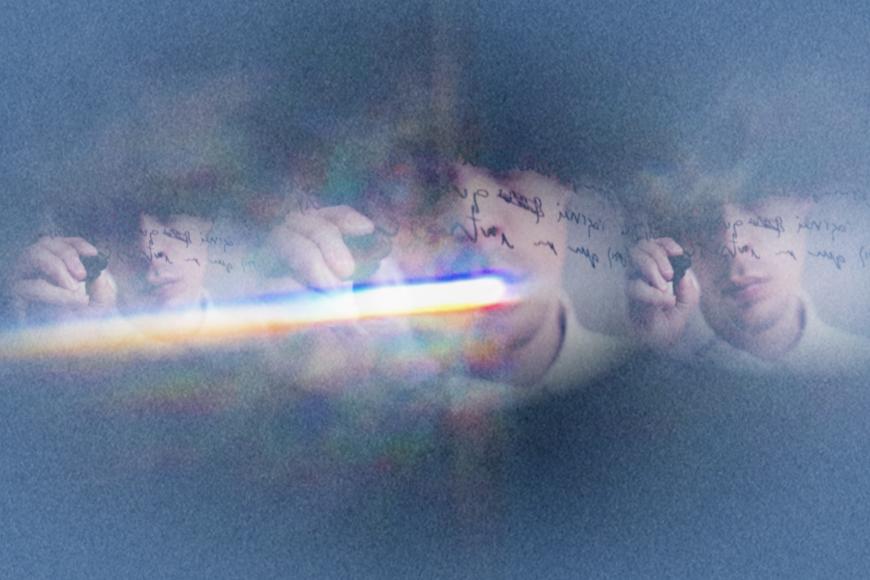
The global COVID-19 pandemic has changed human relationships. Archive material, 360° footage and artificially generated images are used to create a synaesthetic essay film about loneliness, insecurity and the increasing shift of our everyday life into the digital realm. Dystopic and anonymous stories merge in a collage of the disturbing social and political phenomena of our time.
Lars Rummel
Credits
Producer
Rodrigo Moreira
Production Company
Mundivagante Studio
Editor
Lui Avallos
Narrator
Lui Avallos, Agnese Riaudo, Filippo Stagnini, Jessica Menezes
A voice speaking the Aztec language Nahuatl and a ritual song accompany the children’s games in the rain forest. They put their ears to the trees, listening to their stories.
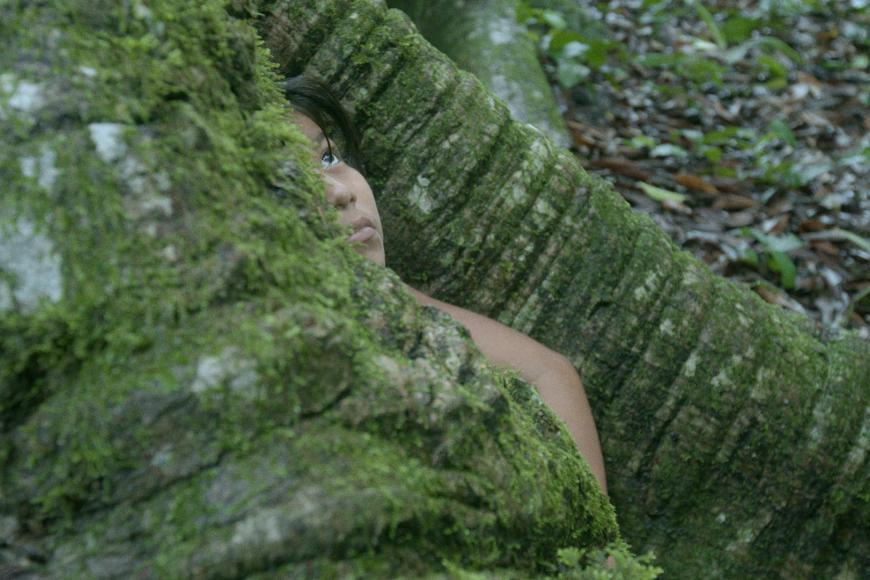
A voice speaking the Aztec language Nahuatl and a ritual song accompany the children’s games in the Mayan rain forest. They put their ears to the trees which seem to speak to each other and to the universe. They listen to an ancient love story that continues today. A myth of Mesoamerican culture is invoked. Animated sequences and extreme backlighting visualize the tree’s inner life. What images may emerge in the children’s mind’s eyes?
Anke Leweke
Credits
Director
Fernando Colin Roque
Script
Chloé Belloc
Cinematographer
Fernando Colin Roque
Editor
Fernando Colin Roque, Chloé Belloc, Mathilde Lavenne
A home in the middle of the day, only the electrical appliances are whirring. The camera gaze glides through rooms unfolded by the editing and captures uncanny, bizarre moments.
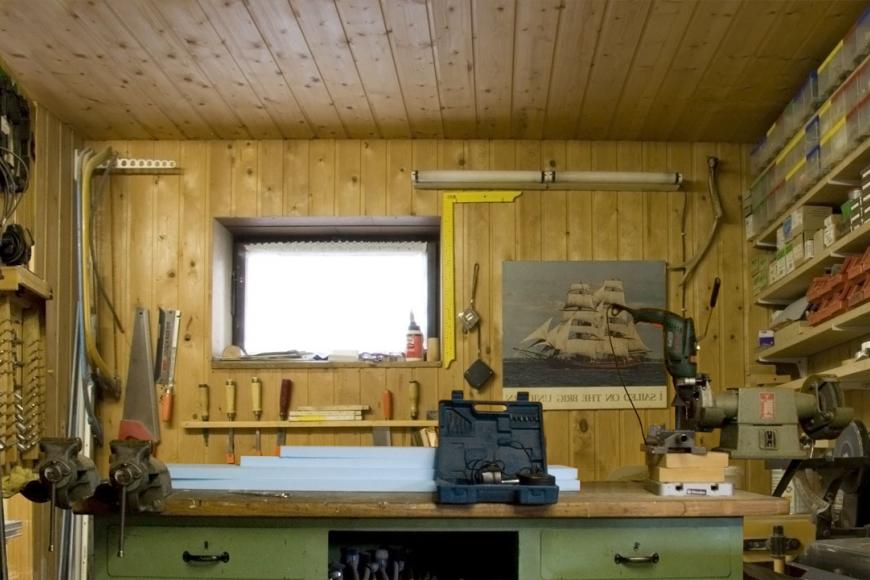
A home in the middle of the day, only the electrical appliances are whirring. The camera gaze glides through the rooms and floors which are unfolded and seamlessly joined by the editing. Small oddities proliferate in the bourgeois habitat: an unanswered doorbell, an open freezer emitting light. Normality, perhaps unintentionally, whispers something uncanny.
After the loss of the family farm, all that’s left are digital visits via 3D online maps. But the narration is imprecise. The remembered place is reclaimed by image manipulation.
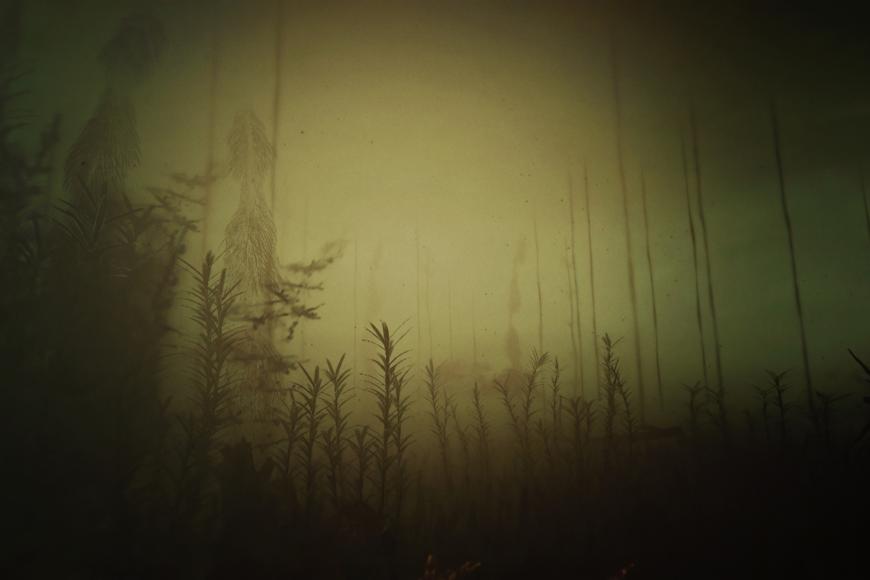
Just hold your breath. Perhaps this helps as much against the pain of parting as the stinging nettles of one’s childhood. Sheila died of hay dust in her lungs and it seems as if the family farm died with the horse, too. After its sale, the laconic narrator pays digital visits via 3D online maps. But even the most detailed view says nothing about the grave of the three-legged farm cat. Using animation and image manipulation, he reclaims the remembered place.
In Norse mythology there are numerous sagas about water creatures that lure sailors out to sea. This VR experience takes us on a meditative journey to this mythical reality. While the world around us is dissolving, voices draw us into a lost underwater universe in which the boundaries between reality, fantasy, humans and nature fade.
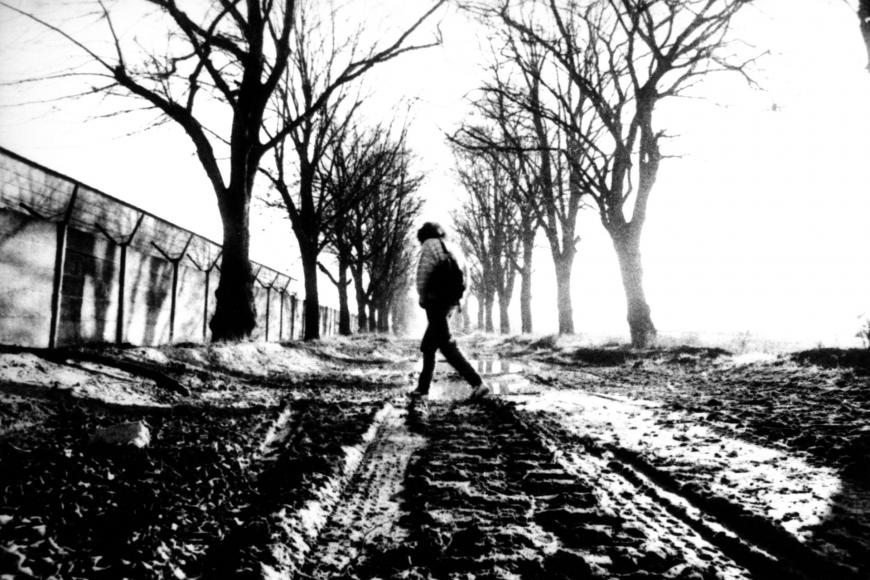
Between March 1989 and March 1990, Kurt Tetzlaff follows the critical Potsdam high school graduate and pastor’s son Alexander Schulz through a time of personal and political upheaval.
“Whoever has discovered a truth must also bear witness to it and make it known,” says the critical Potsdam high school graduate and pastor’s son Alexander Schulz at the start of the film and adds: “You must also endure the personal disadvantages.” Between March 1989 and March 1990, Kurt Tetzlaff follows the intelligent boy through a time of upheaval. At their graduation, Alexander and his class perform the play “Dictatorship of Conscience” by Mikhail Shatrov. He takes part in the demonstrations in autumn 1989 and refuses to serve in the army. Sequences from the GDR news demonstrate how far removed from the citizens the state leadership had become.
A reencounter with Alexander, Tetzlaff’s protagonist of “In Transit”. The mood of departure of the autumn of 1989 gives way to disappointment and resignation only a short time later.
Once again Kurt Tetzlaff portrays Alexander, who in 1990 works as a nurse and is active in the “Action Reconciliation”. The sense of departure of the autumn of 1989 slowly gives way to disappointments about the outcome of the People’s Chamber elections in 1990, the currency reform and the Unification Treaty. The political and social changes took place at a rapid pace that many found hard to follow. The sense of community that carried people through 1989 is fading. “Now it’s every man for himself”, Alexander states. He has no use for capitalism: “I feel just as lied to and cheated as before.” Resignation spreads.
Philip Zengel
Credits
Director
Kurt Tetzlaff
Script
Kurt Tetzlaff, Eckard Mieder
Cinematographer
Ingo Bahr, Jürgen Partzsch, Claus Mühle, Karl Faber, Hans Borrmann, Andreas Bergmann
Editor
Monika Schäfer
Producer
DEFA-Studio für Dokumentarfilme
Sound
Dietmar Falkenthal, Hartmut Haase, Lutz Laschet, Rainer Pape
A complex exploration of transience, life and death, created by minimalist means and in animated form. Atmospheric, subtle and at the same time apocalyptic.
Marta Pajek (digitally) created a complex, atmospheric universe – with minimalist means and yet rich in detail. References to contemporary history meet visions of an intuited, dystopian future. We are made aware of (our own) transience in subtle, but almost brutal ways. Ageing bodies, ageing ideas. In the end, the grande dame of Polish cinema, actor Anna Polony, sings: “… when will we ever learn?”
Borjana Gaković
Credits
Director
Marta Pajek
Script
Marta Pajek
Editor
Marta Pajek
Producer
Piotr Szczepanowicz, Grzegorz Wacławek
Co-Producer
Maral Mohammadian
Sound
Michał Jankowski, Piotr Knop
Score
Aleksandra Gryka
Animation
Marta Pajek, Alex Boya
World Sales
Luce Grosjean
Winner of:
Golden Dove Short Animated Film (International Competition Short Film)
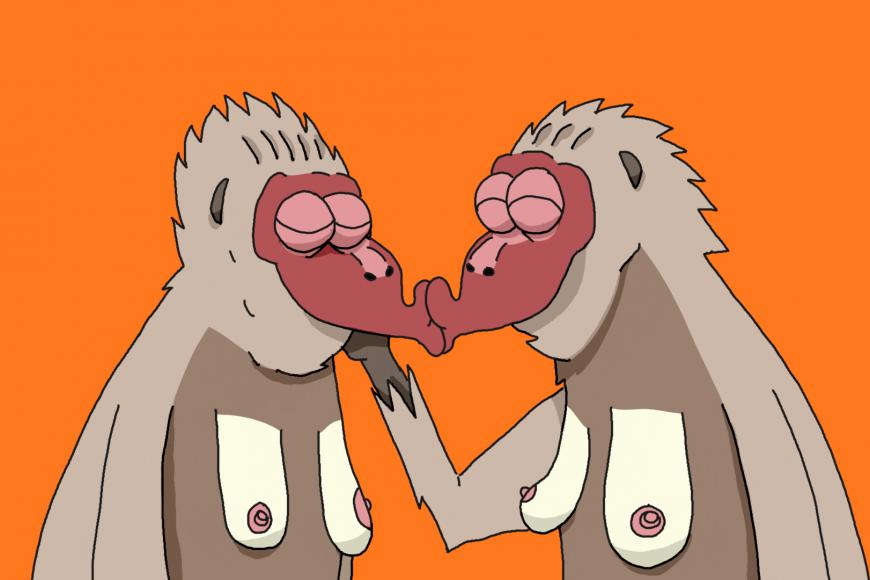
Marcel Barelli went stalking, observing and listening closely. Briskly animated and wittily narrated, he tells of zoological caprices in matters of gender and sexuality.
Competition for the Audience Award Short Film 2021
Animated Film
Switzerland
2021
5 minutes
French
Subtitles:
English
Animals have no “LGBTQIA*”, they simply are and do, practicing gender, sexuality and family constellations according to desire and necessity. There is still a lot to discover here, as Marcel Barelli reports. He went stalking, observing and listening closely. Briskly animated and wittily narrated, he tells of fantastic zoological caprices and miraculous relationships.
Prison inmates breeding carp reflect on freedom and missed Christmas dinners. Artful black and white film with anonymous protagonists in a dreary landscape.
Competition for the Audience Award Short Film 2021
Documentary Film
Slovakia
2020
10 minutes
Slovak
Subtitles:
English
Standing in the water in fishing gear, catching fish and taking in the rugged winter landscape. What at first sounds like a dream for outdoor fans is part of the working routine of prison inmates in the East Slovakian town of Perín-Chym. Their job is to breed carp, which are primarily consumed at Christmas dinners. Marek Moučka anonymizes the prisoners by erasing their eyes in his artful black and white film. He talks to them about freedom and missed holidays.
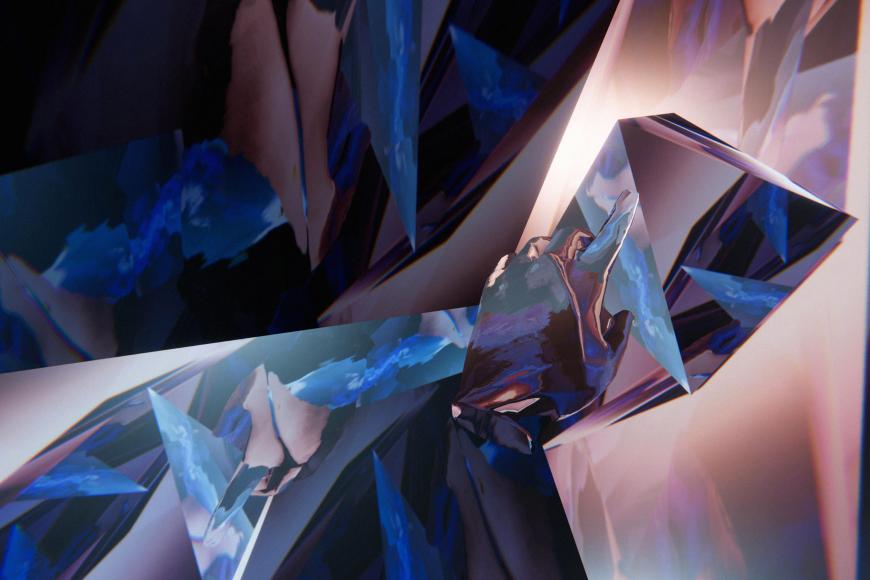
We are guided through a speculative posthumanist scenario revolving around the relationship between humans, machines and nature. An AI helps with the transition into the digital.
We meet an artificial intelligence designed to ease our transition into the digital. Life in the analogue world is no longer possible, not even necessary. The VR experience guides us through a speculative scenario that illuminates the relationship between humans, machines and nature in posthumanism. Texts, images and sounds were created by means of AI and algorithms.
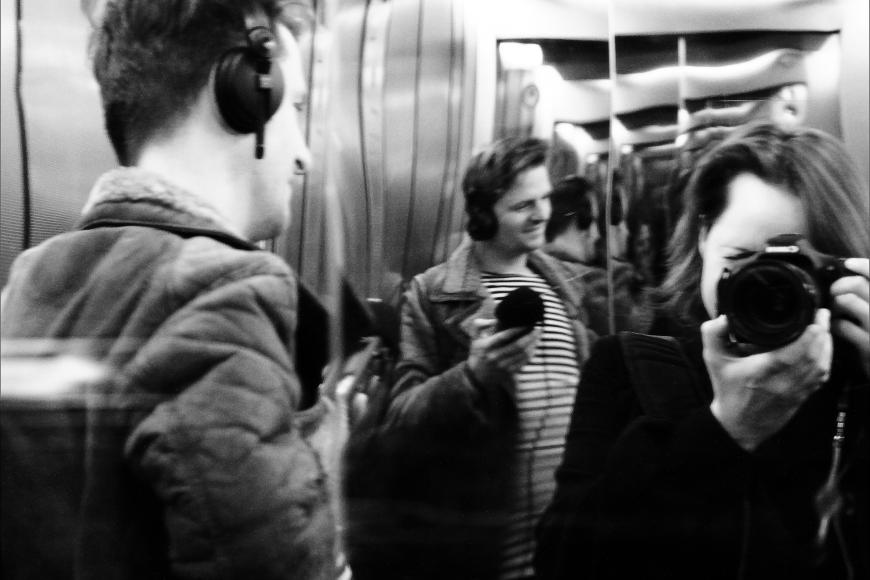
How close is too close? The attempt to produce the portrait of an actor turns into a struggle between closeness and distance and a balancing act between fiction and reality.
English, German Subtitles for deaf and hard-of-hearing
Is it possible to get close to someone who sees their sole task in life in losing themself in the parts they play? How can a film portrait be created when every image only contributes to further fictionalization? Who is facing each other when the line between fact and fiction becomes blurred? Katharina Pethke looks back to dissect the past and her contradictory feelings for the celebrated actor Philipp Hochmair, following the lines of her own artistic and personal doubts.
The magnificent black and white images guide the eye from the surfaces to the details, whose meaning the director probes and questions in her subjective, tentative voiceover. The film preserves the rawness of unfinished reflections without getting mired in vagueness. Step by step, the honest assessment of a desire is achieved; a desire which could function only in the delicate balance between attraction and repulsion and from which Katharina Pethke frees herself by adopting a position of artistic distance. Her sometimes self-mocking commentary is supported by dramatic guitar riffs (provided by Hochmair’s band project “Die Elektrohand Gottes”) and underpinned by filmic references, all of which revolve around the making of images and the relationship between reality and imagination.
Luc-Carolin Ziemann
Credits
Director
Katharina Pethke
Cinematographer
Katharina Pethke
Editor
Katharina Pethke
Producer
Katharina Pethke
Co-Producer
Fünferfilm UG, Julia Cöllen, Frank Scheuffele, Karsten Krause
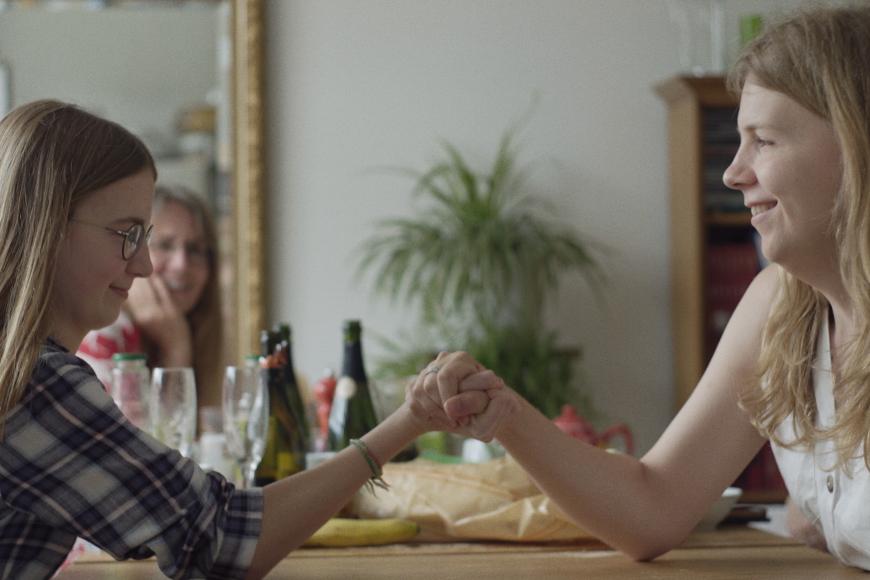
Roos is unsettled and unnerved by the changes her older transgender sister Jules is going through. When Jules moves out, Roos begins to miss her new sister.
Roos is fourteen years old and lives with her mother and her older transgender sister Jules. Jules is currently transitioning, taking hormones and experimenting with her looks. Roos, who has no interest in nail polish and the like, is irritated by all the changes. When Jules moves out, Roos begins to miss her new sister and gets closer to her again.
A journey back in time to 1915 Dresden. Karlchen wants to see the famous elephants of the Sarrasani Circus one day. When his dream comes within reach, everything turns out different than expected.
A journey back in time to 1915 Dresden, where Karlchen lives, who dreams of seeing the famous elephants of the Sarrasani Circus one day. To earn the ticket, he delivers potatoes. But his few coins are not enough for the visit. When Karlchen’s dream at last comes within reach, everything turns out different than expected.
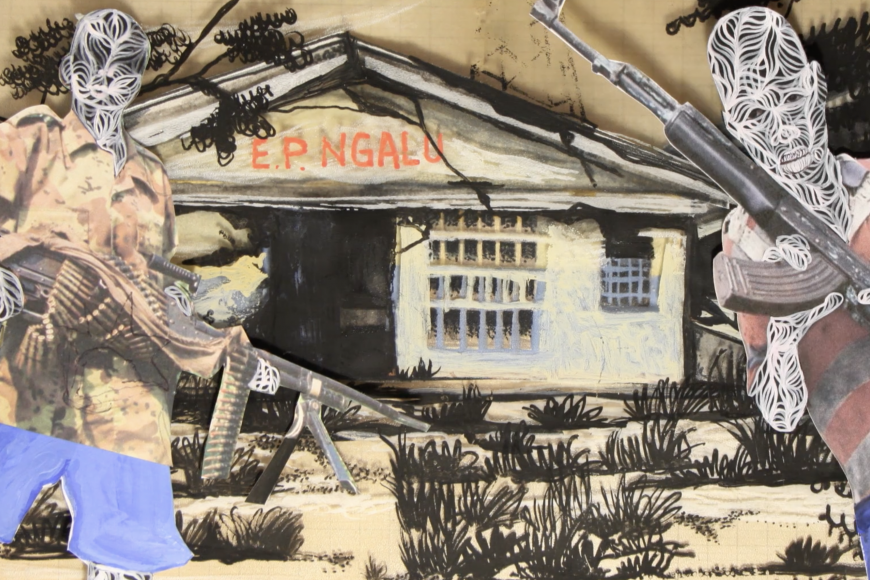
Visual artist Fransix Tenda Lomba addresses the ideological function of the school in an animated collage: a walk through Congo’s historical education system.
The first animated film by visual artist Fransix Tenda Lomba is a kind of parcours through Congo’s historical education systems – and an analysis of the ideological function of the institution of the school. Using impressive collages and an always ironic commentary, the film – tellingly produced in Belgium – confronts its Western audience with their own ignorance about the region, challenging both their aesthetic and political thinking.
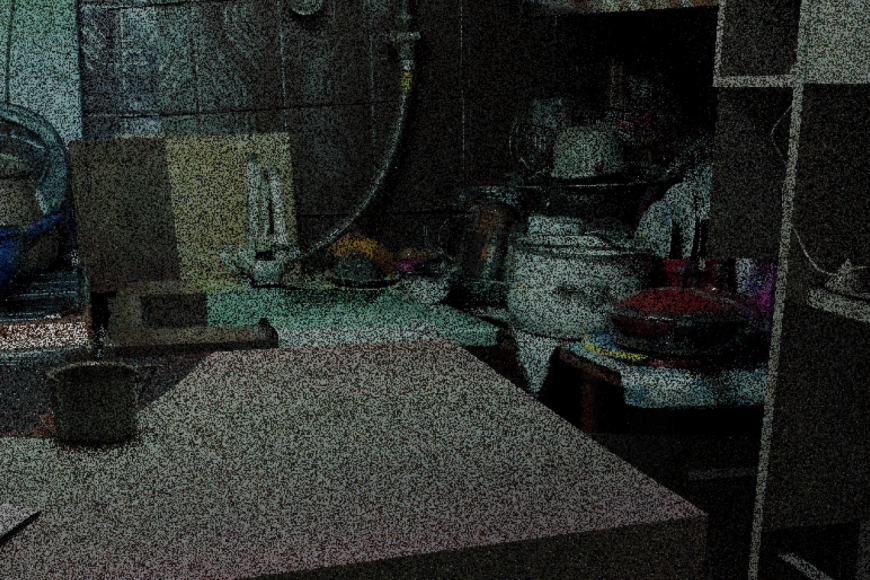
In a blurred video the grandparents and their kitchen live on – a nostalgic place in the distant Ukraine of childhood which the granddaughter virtually recreates and re-feels.
English, German Subtitles for deaf and hard-of-hearing
Click, click, she virtually recreates a cluttered, narrow kitchen on her computer. Lady Di smiles with creased photo edges from the refrigerator, a half-opened chocolate bar lies on the table. The technical-looking, detailed digital reconstruction runs like a fingertip along remembered images, tracing their nicks. The images feed off a blurred video in which the grandparents and their kitchen-cum-living-room live on – a nostalgic place in the distant Ukraine of childhood.
André Eckardt
Credits
Director
Nataliya Ilchuk
Producer
Nataliya Ilchuk, Le Fresnoy – Studio national des arts contemporains