The motif of movement in film is a core element of Peter Mettler’s award-winning body of work: His journey here takes us from Canada via the USA to Switzerland and as far as India, the filmed moments associatively unfolding a tableau about different people. They are all, each in their own way, looking for transcendence and ecstasy. In this hypnotic trip about time and transience, the director is always ready to engage with the unexpected. His attitude is marked by curiosity and impartiality. Well over a hundred hours of footage feed into a brilliant montage in which transition and rapture also find visual and acoustic correspondences.
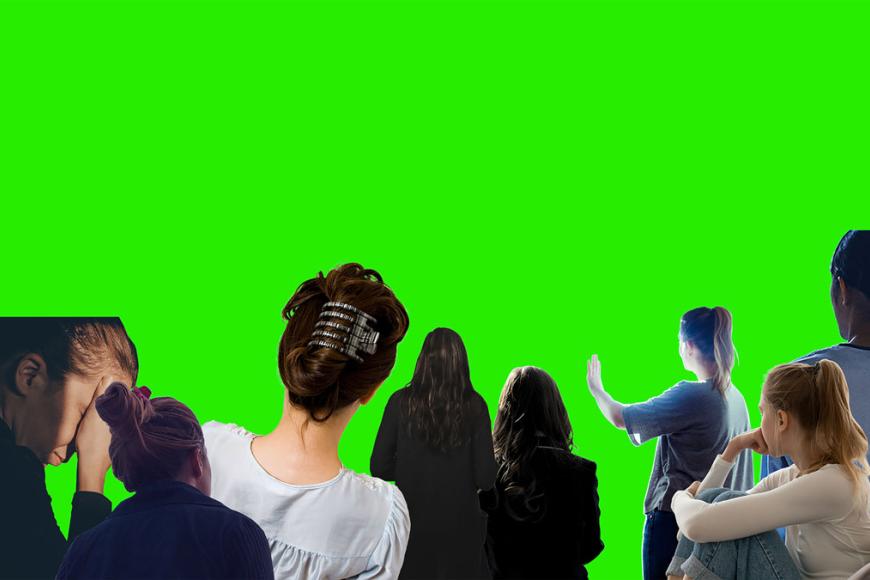
This desktop video essay examines how the media illustrate the issue of abortion. Clicking through photo databases and magazines reveals the consequences of suggestive images.
What images do we associate with abortion and why? Where do these images and the emotional scripts in our head come from? How do they influence women who (want to) have an abortion, how do they shape the general discussion? Franzis Kabisch’s personal desktop documentary investigates these questions with great precision, clarity and humour (yes, humour, too!).
In the process, she moves from early 2000s girls’ magazines to the late 19th century, sifts through troves of feminist knowledge and checks alleged cultural-historical facts (such as the discovery of hysteria in women) that haunt conventional wisdom to this day. At the end of the film, we have not only seen an exemplary examination of image politics and how they contributed to pushing the issue of abortion to the social sidelines and linking it with shame and guilt. Franzis Kabisch manages, almost “in the same breath,” to break up the false hubris of the documentary and demonstrate that the evidential value of filmic and photographic “testimonies” must always and implicitly be scrutinised. Ultimately, “cui bono?” – the question who profits, must be considered in every media-critical reflection – not just in the age of stock photos, editing software and AI but, strictly speaking, at the start of every documentary image production.
Luc-Carolin Ziemann
Credits
Director
Franzis Kabisch
Script
Franzis Kabisch
Cinematographer
Franzis Kabisch
Editor
Franzis Kabisch
Producer
Franzis Kabisch
Sound Design
Franzis Kabisch, Katharina Pelosi, Laura Schick
Winner of:
Golden Dove Short Film (German Competition)
A young woman is strangled. The mother’s moving dirge – based on a poem by Percy Shelley – accompanies us as her daughter Ginevra is laid out and resurrects.
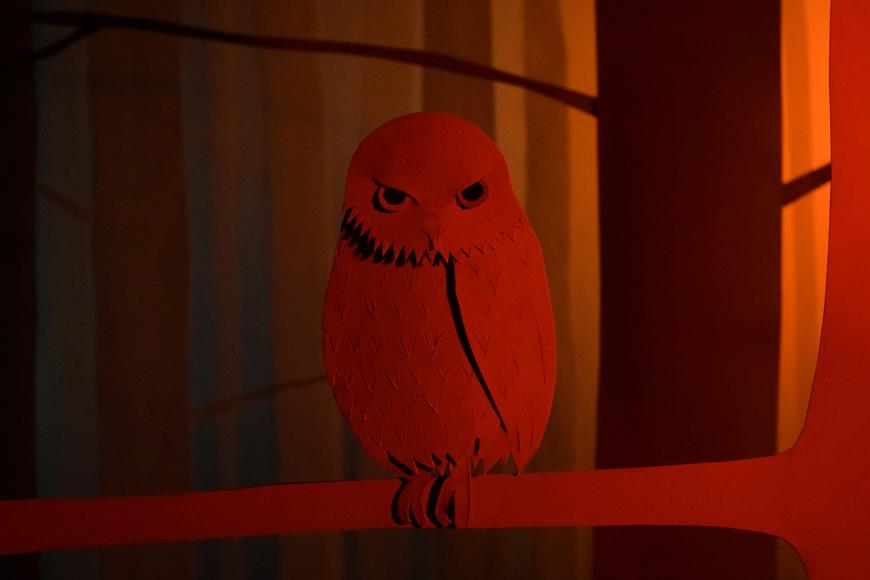
The rising sun reveals a gruesome crime. In the orange-red dawn, between the dunes and the rippling sea, a young woman is strangled to death. The victim’s neck is marked by the deep imprints of her murderer’s hands. The mother’s moving dirge – based on a poem by Percy Shelley – accompanies us as her daughter Ginevra is laid out and resurrects.
An animation-documentary hybrid in which four older women reflect on their memories of times when the relations between the sexes were completely different.
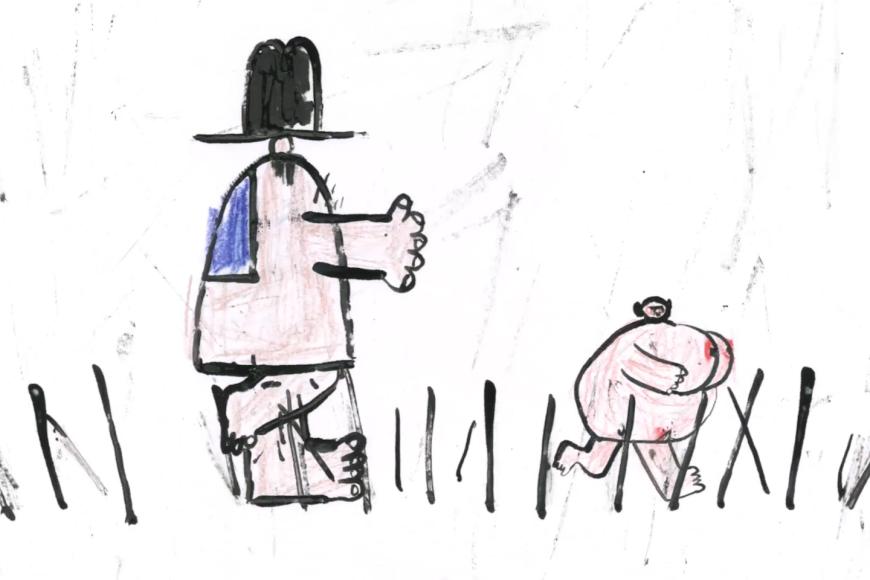
In this animation-documentary hybrid, four older women reflect on their memories of the old times when they were young and relations between the sexes were completely different. Their many voices merge into one: Grandmother Vera speaks. She tells her story in precise detail, gives insight into the turbulence of her youth and shares memories of her intimate life. She speaks as a representative of Slovenian women in the first half of the 20th century and illustrates their status in the gender and social hierarchies of that era.
A summer Sunday at a motorway service area. The trucks stand still. The drivers doze, cook, stare into space. A phone call with the family provides inner and outer movement.
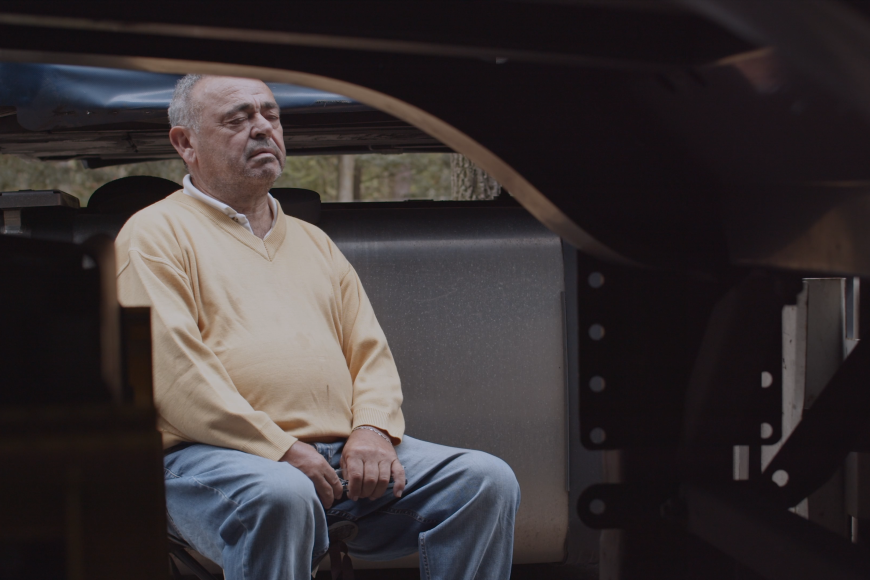
The motorway roars in the background, darkness lies over the service area. One truck driver smokes; another turns on the light in his sleeper cab. A summer Sunday is dawning, everything is standing still. Precisely designed detail shots induce in us a state of waiting. This is what life on the road can also look like. Cooking, dozing, staring into space. Hair is shorn short, words are exchanged. Polish pop songs resound from one of the cabs.
Life seems to have been tuned out. And yet it is happening. One of the men roams the forest, calls home. Suddenly a family is present in the images: The man remembers a swimming trip when the children were small. A strangely beautiful sight. He holds his mobile up in the air so the person on the other end of the line can hear the woodpecker.