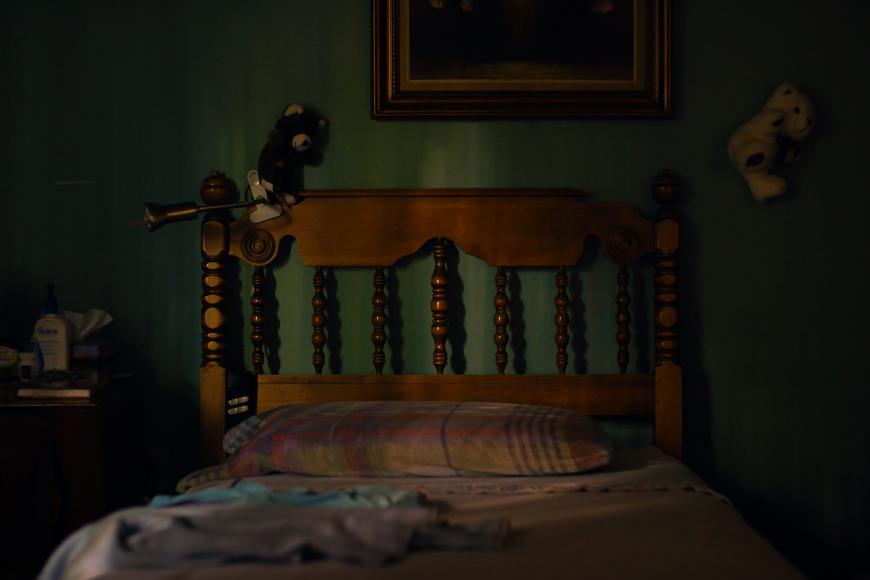
A patient camera glides over the everyday objects: still lives on the wall, flowers in the vase, a swaying drop light. The sun enters the cosy home where Noëlla sits smoking at her laptop, playing Solitaire. The situation is hopeless. She’s going to lose against the computer once again. All the while her son-in-law, Pierre, is organising everything she needs, pragmatic and friendly: breakfast, the (last) doctor’s visit – and then the transfer.
Because Noëlla intends to die, and she is determined. Pierre conscientiously manages the paperwork and invites her loved ones to say goodbye. They bring photos and chat with the protagonist who is about to depart this life and who waves one last time before the doctor administers the deadly dose. Bye bye, that’s it. Dying can be so unexcited. This slowed-down, minute study of time very gradually acquires a completely different meaning from what one assumed at first. How one would love to see the onetakes from the beginning again. Félix Lamarche’s unpretentious observation evolves into a metaphor of life. Noëlla’s insistent head-on gaze from the screen into the viewers’ eyes will always be unforgettable.
Borjana Gaković
Credits
Director
Félix Lamarche
Cinematographer
Félix Lamarche
Editor
René Roberge
Producer
Félix Lamarche
Sound
Samuel Gagnon-Thibodeau
World Sales
Robin Miranda das Neves
Nominated for:
FIPRESCI Prize,
Prize of the Interreligious Jury
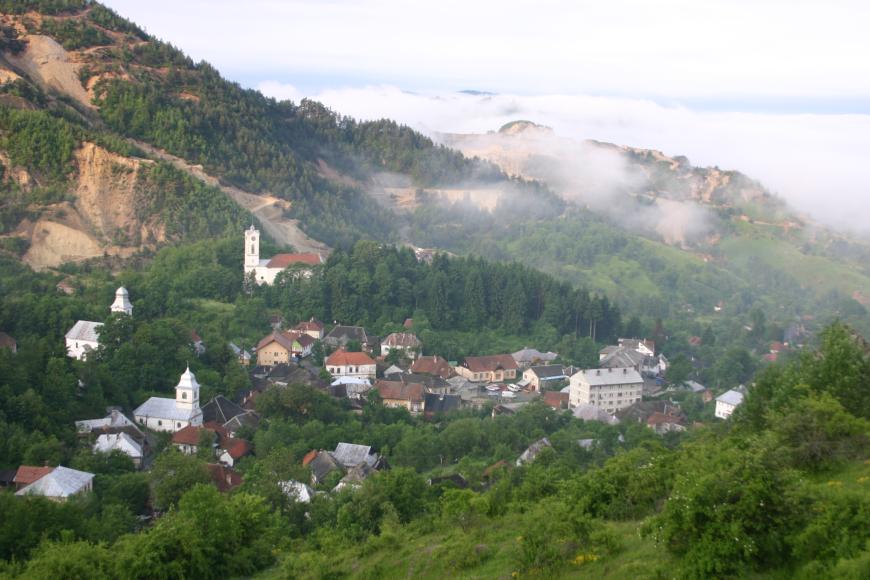
The Romanian village of Roșia Montană is believed to sit on a 300-ton gold deposit. Twenty years ago, Tibor Kocsis filmed the emergence of a protest movement against the mining project.
The biggest gold deposit in Europe is located underneath Roșia Montană, Romania. The ancient Romans dug shafts with hammers and chisels, later gunpowder and dynamite were used to mine the precious metal. But when the possibilities of traditional mining methods seem exhausted in the early 2000s, a Canadian company enters the scene, planning to pulverise the whole village and the four neighbouring mountains – and to use highly toxic hydrocyanic acid to extract the gold from the rock. Tibor Kocsis observes over several years how the corporation is trying to drive out the inhabitants of the village, and how a resistance is forming that lasts until today.
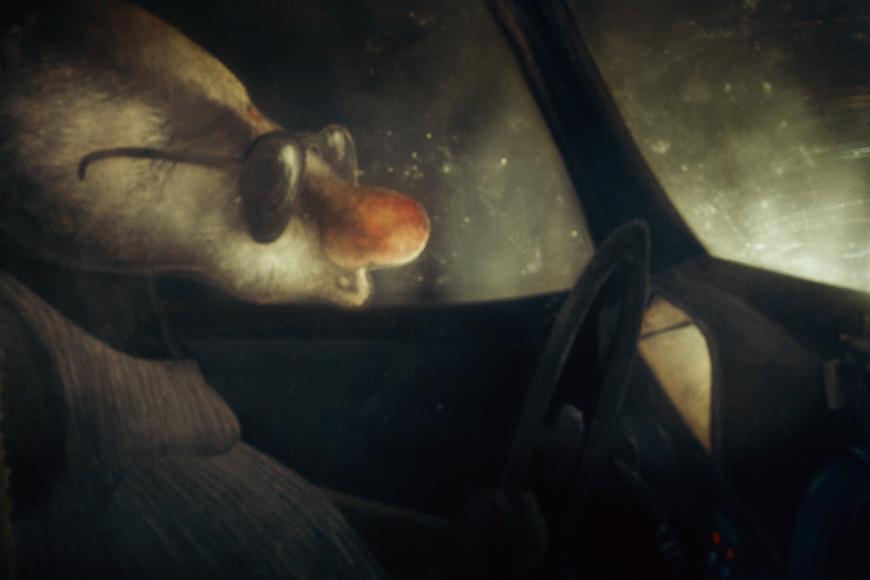
A drunken drive through the night with a badger at the wheel. The car radio is a crooning, rhythmic companion to the will-o’-the-wisp headlights of oncoming cars.
A drunken drive through the night with a badger at the wheel. The car radio is a crooning, rhythmic companion and rhythm generator to the reeling road, the will-o’-the-wisp headlights of oncoming cars. The beginning becomes the end of a bizarre journey that turns our heads not by speed but by narrative sophistication in visually magnificent concentration.
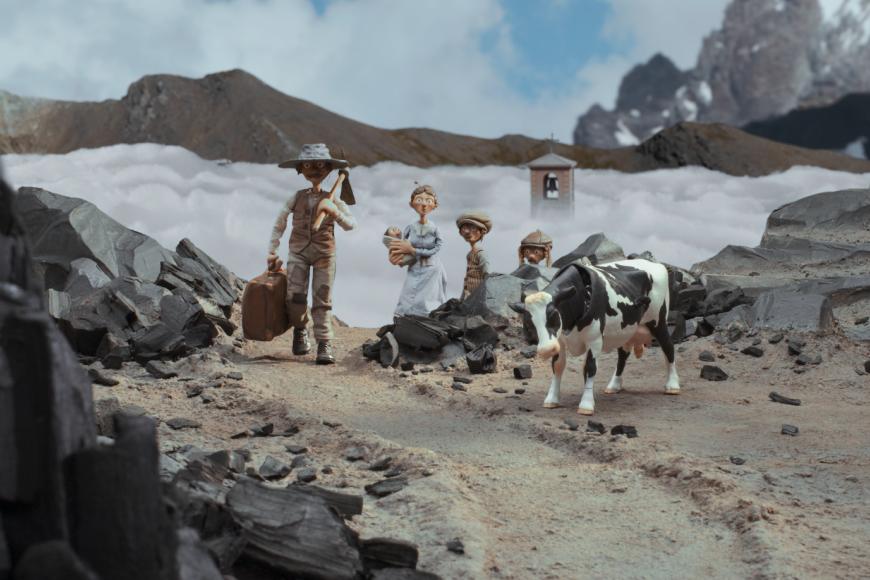
Alain Ughetto has erected a warm-hearted monument to his grandparents with this family chronicle, imaginatively directed as a puppet animation and spanning half a century.
Hunger and hardship ruled the Piemontese mountain village of Ughettera at the beginning of the 20th century. The meek peasants complained neither about the parasitic priests nor the tough seasonal winter work in neighbouring France – not even when the Italian state called them to arms and sent them first to Libya, then into the World War. Only when the Fascists arrive did the Ughetto family trade its home for new deprivations and new hopes across the border.
With this imaginatively directed puppet animation, Alain Ughetto has created a warm-hearted memorial to his Italian grandparents Cesira and Luigi. With subtle humour, tenderness and empathy he tells of generations who lived in poverty, but also of happiness and love, fortunes and misfortunes. “You don’t come from a country, you come from your childhood”, Cesira teaches him. The director finds himself in this family chronicle, recognises his predilection for working with his hands. Soon the film becomes a reflection on telling stories with what these hands shaped. They are frequently present in the frame – piling charcoal into a mountain, making forests from broccoli or simply getting handed a cup of damn strong espresso by Cesira.
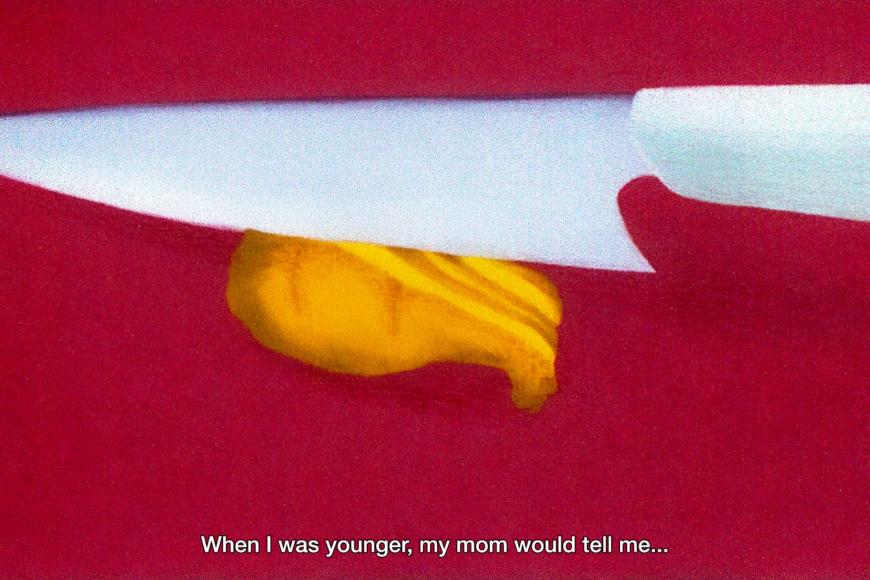
Women should be financially independent so they don’t have to spend their life in the kitchen, her mother taught. Her daughter pays tribute to her cooking skills.
Cooking is a wonderful occasion to think, reminisce and talk. And if you have never learned to cook, if you’ve spent your life seeing the place at the stove as a feminist step backwards, then you can only have braised pork ribs while reflecting on your distant first home, your mother. How fortunate then that one can also reminisce in animated form and do it so impressively that the fragrant images make our mouth water.