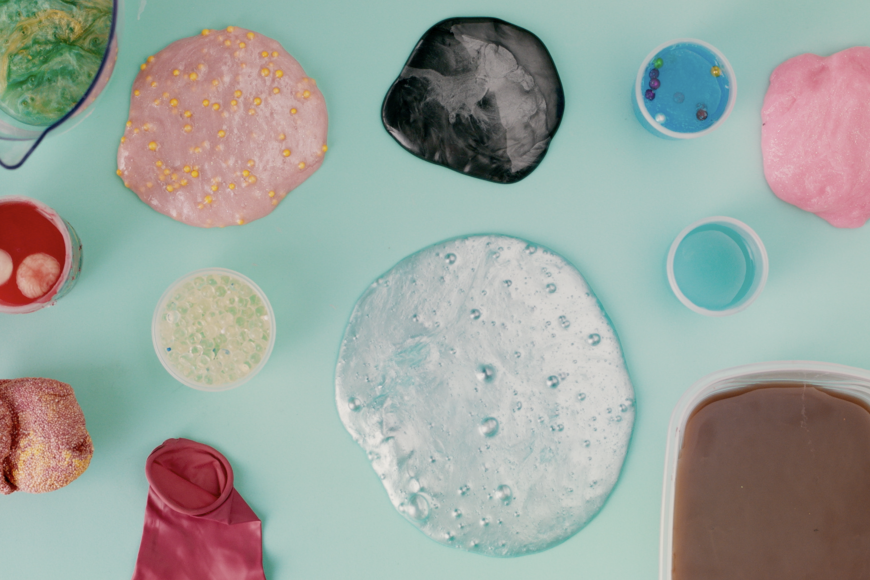
A gaudily coloured twisty slide takes us into emotional shallows. A squeaky voice complains about its inadequacies. It belongs to an animated figure which serves as a catch bowl for a soul that’s not doing well. Its creator has pieced it together, but something holistic does not pop out of the demiurgic mush. Tulapop Saenjaroen uncovers the beginnings of Thai animation and takes a critical look at the future promise of media placebos.
Observing documentary about the attempt to use art to come to terms with past trauma – or at least not to pass it on. A theatre workshop is supposed to help.
The opening scene shows the anger: It’s about rape. The observing documentary by Aïssata Ouarma is more composed, though, focused on dealing with the trauma and the attempts to come to terms with it through art. The heavily pregnant Mariam attends a theatre education workshop. The camera follows her and her empathetic trainer in moments of mental and physical exertion designed to free her soul – and that of her unborn child – for good.
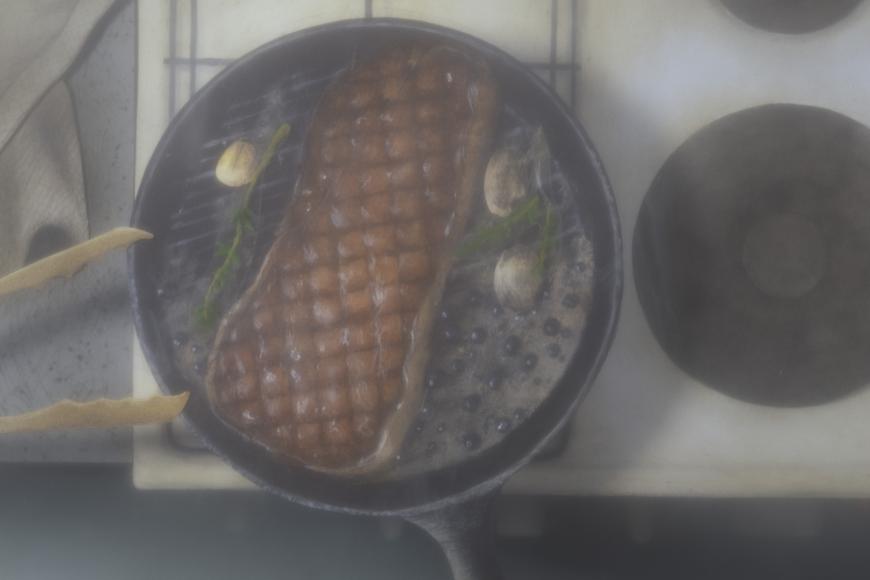
He and she are a good team. What was intended as a pleasant evening for two becomes overshadowed by an acrid cloud of roast fumes and ends civilized, but bloody. Black humour, “well done”.
Coupledom has its own dynamics. Her professional obligations do not tick by the clock, his cooking and love are extraordinary, but, alas, precisely timed. This all too familiar incompatibility is condensed into murky, acrid roast fumes and ends civilized, but bloody. Špela Čadež gradually slows down the pace, creating a space for the absurd goings-on to penetrate deeper and deeper. Black humour, “well done”.
André Eckardt
Credits
Director
Špela Čadež
Script
Gregor Zorc
Cinematographer
Špela Čadež
Editor
Iva Kraljevic
Producer
Tina Smrekar, Špela Čadež
Co-Producer
Emmanuel-Alain Raynal, Pierre Baussaron, Fabian Driehorst
In the remains of a radio station of the Dutch colonial rulers of Java, the concept of linear time and local history, a mountain and dreams of geoengineering meet.
In 1923, the Dutch erected a radio station on Puntang Mountain on Java deploying indigenous forced labourers. 2,000 metres of wire between two mountain ridges were meant to transmit news from what was then the Dutch East Indies across the 12,000 kilometres to Europe. A speculative and poetic examination of the remains of Radio Malabar – in the earth, in the mountain, in dreams of geoengineering, in local history.
Marie Kloos
Credits
Director
Riar Rizaldi
Cinematographer
Adythia Utama, Natasha Tontey
Editor
Riar Rizaldi
Producer
Riar Rizaldi
Score
Nursalim Yadi Anugerah
Winner of:
Honourable Mention (International Competition Short Film)
A tongue-in-cheek re-writing and decolonization of film history: The first Chilean animated silent film was allegedly made in 1901. Stop motion technique, morbidly staged.
English, German Subtitles for deaf and hard-of-hearing
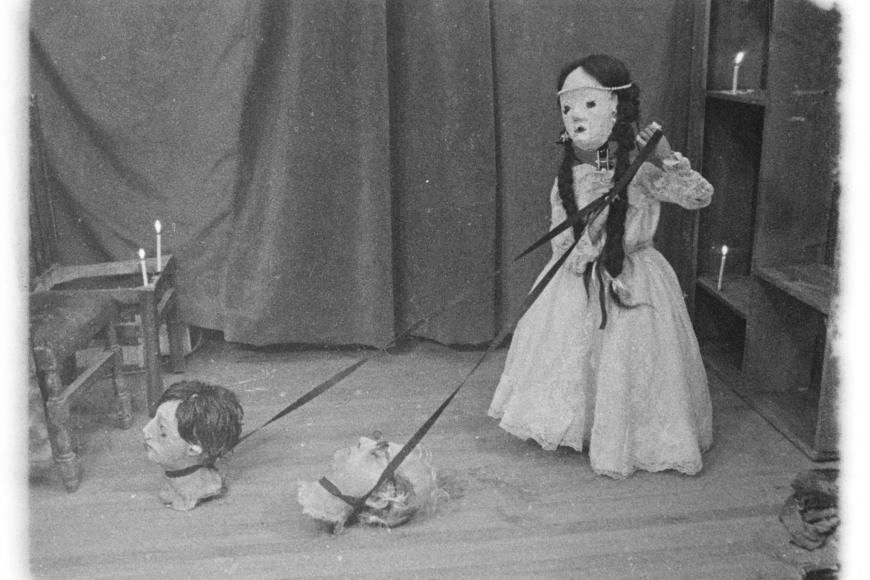
With reference to Władysław Starewicz’s animation film experiments with insects, the Chilean artist duo León and Cociña develop a fictitious counter-narrative to the history of the stop motion technique – and a vision of a Chile liberated from autocrats. A pigtailed girl in puppet form confidently handles the remains of the authoritarian power tradition, in the shape of morbidly staged body parts of two symbolic representatives of the oligarchy and Pinochet’s dictatorship – Diego Portales and Jaime Guzmán.
The last archivist secures artefacts of a civilization that is collapsing outside in the real world. A documentary science fiction in the field of tension between image and sound.
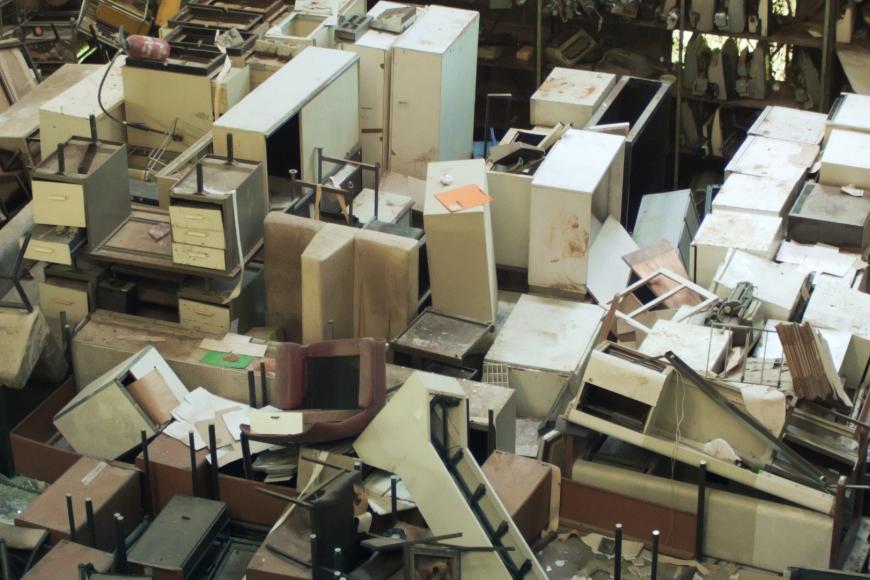
Photographs are dusted, records cleaned, insects removed from books and everything is digitized for eternity. The matter-of-fact shots of fastidious archival work, though, are combined with the voice of a young woman who reports on the collapse of civilization, the fragile artefacts of which she secures as the last human being left in the “Congress”. In the field of tension between image and sound a space for our imagination opens up.
A stuttering boy transforms an Iranian kitchen into a fantastic world, and an exuberant animation dotted with real-life elements ironizes ingrained family patterns.
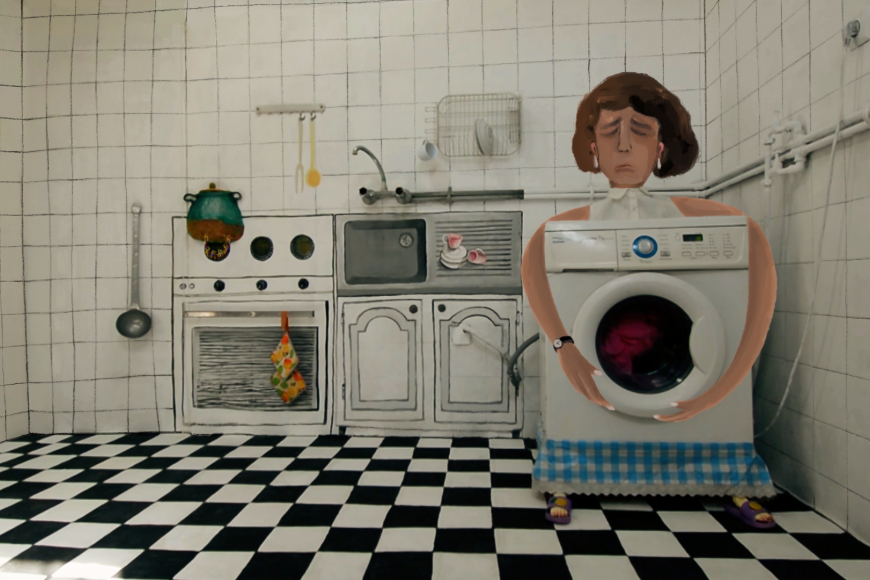
A stuttering boy transforms an Iranian kitchen into a fantastic cosmos. The father’s body becomes a refrigerator, the mother's belly a washing machine whose spin cycle gives birth to a screaming baby. Even birds on tiles and detergents have a surprising life of their own. This exuberant animation, dotted with real-life elements – fried eggs, broken plates, chess pieces – develops a subtle wit, ironizing ingrained family patterns.
An orange grove threatened by gentrification in suburban Los Angeles becomes the starting point of a discussion about how realistic documentary film can, may and should be.
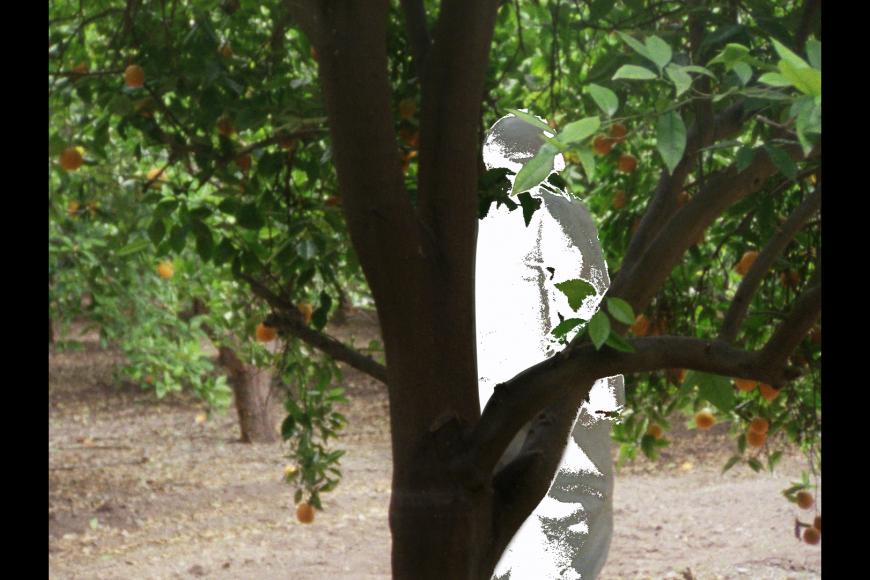
In her light-footed film miniature, Zaina Bseiso links the disappearance of the last orange grove from the suburbs of Los Angeles with the fate of the Jaffa orange, a native fruit of Palestine. When she engages her father in a conversation regarding this content and artistic concept, it turns into a discussion about how a good documentary can approach reality and why – with all due respect for realism – we must never underestimate the power of illusion.