Apulia, 1959: ecstatic dancing in a chapel. These women are said to have been bitten by a spider. Today, “tarantism” has been tamed as folklore and become a tourist attraction.
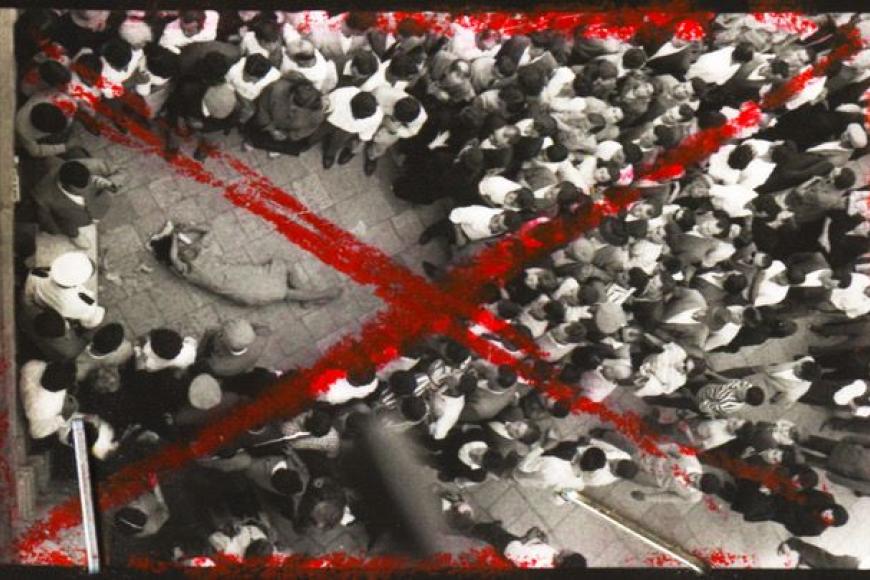
Apulia, 1959: Women in white dresses dance ecstatically in a small chapel. They jump around, roll on the ground, some even climb the altar. They are said to have been bitten by a spider. Their dancing mania requires a ritual exorcism with music. Pictures like these inspired Italian anthropologists to travel to southern Italy. Equipped with tape recorders, film and photo cameras, they tracked down the phenomenon of tarantism. This essayistic documentary follows the wealth of multi-media archive material produced on this research trip. It brings out the voices of the affected women, who turn out to be experts of their own performances. A special relationship developed between the scientist Annabella Rossi and the “tarantata” Michela Margiotta, with their correspondence at the centre of the film. Even today, these images of female frenzy are disturbing, revealing the loss of control of husbands, families, science and the church. In today’s Apulia, the film discovers living forms of tarantism, tamed as folklore, a tourist attraction. There are new poisons that have infested the system. They, too, must be danced out.
Jan Künemund
Credits
Director
Anja Dreschke, Michaela Schäuble
Script
Anja Dreschke, Michaela Schäuble
Cinematographer
Anja Dreschke
Editor
Anja Dreschke
Producer
Anja Dreschke, Michaela Schäuble
Sound
Birgit Minichmayr
Sound Design
Carlo Peters
Score
Carlo Peters
Nominated for:
DEFA Sponsoring Prize,
VER.DI Prize for Solidarity, Humanity and Fairness
Yvann is the descendant of Palestinian migrants. His Jewish childhood friend moves away to a settlement in the West Bank. Thus begins the story of a failed reunion.
Director Yvann Yagchi, the son of Palestinian migrants, and his Jewish best friend spend a carefree childhood far away from politics on the neutral ground of Switzerland. As adults, both long for religious and ethnic affiliation. Yvann wants to visit Palestine at last and break generations of silence about the fate of his family. His friend moves to a Jewish settlement in the West Bank. Thus begins the story of a failed reunion. With frankness and patience, Yvann’s film, addressed directly at his former closest confidant, documents his own emotional development: Initial optimism and diplomatic reserve soon give way to an underlying unease. When a Palestinian refugee challenges him to give up the platitudes about striving for truth and formulate his opinion clearly, we realise that there can be only one standpoint for Yvann. There is a rift between the friends, vividly illustrated by animated doodles. Reflections on a lost friendship turn into a search for identity, made immeasurably harder by the ongoing destruction of Palestinian existence.
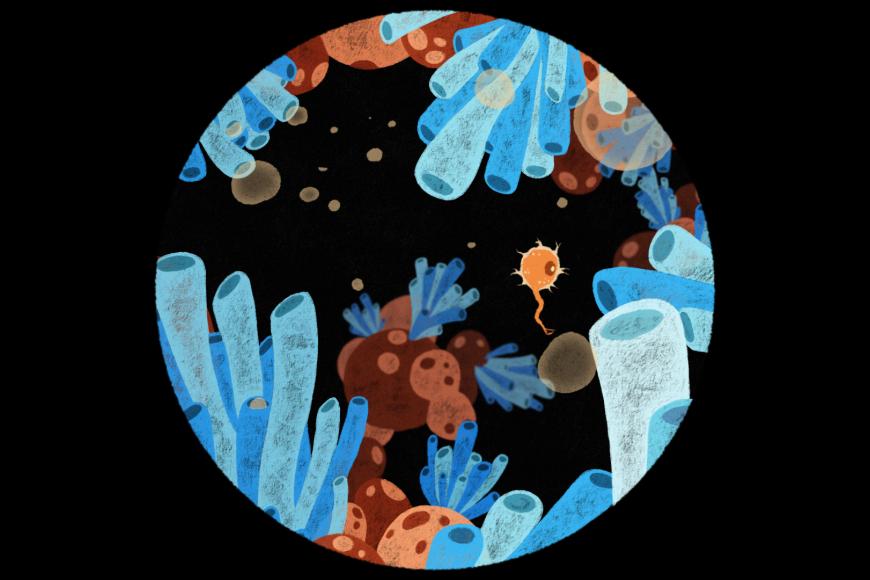
Two friendly cells explore the organism they live in. They grow up together, meet other creatures, until they are separated by an accident. From now on, they will each go their own way.
Two cells observed under the microscope. They grow up together and meet many different creatures on their outings. One day they are separated by an accident and it takes a long time before they find each other again. After the first outburst of joy, they realise that they have changed and no longer fit together. A colourful and profound animation.
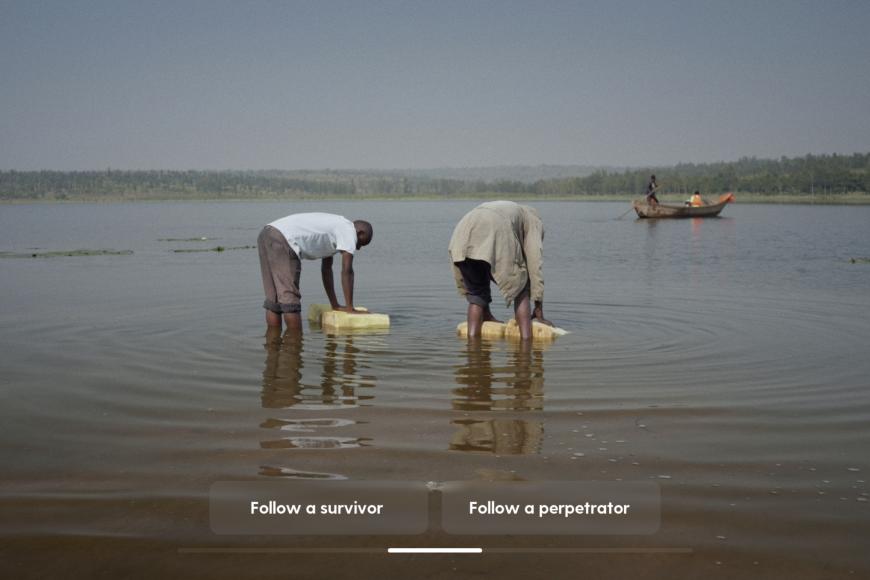
Rwanda, 30 years after the genocide. Using an app, viewers vote what happens next, democratically electing the following scene. Every voice matters, both in the cinema and on the screen.
Peeling away layers of pain, layers of perspectives, passing by both trauma and hope, this film dives into Rwanda thirty years after the genocide. Covering such a topic has always presented itself as a challenge to documentarians. While Claude Lanzmann’s “Shoa” (1985) is over nine hours long, “Traces of Responsibility” unfolds its eight potential hours as innumerable 85 to 110-minute screenings. In allowing different viewing experiences, this film does not commit to a single version of Rwanda, but rather accentuates its multifaceted, and, yes, complex history. The audience may vote to visit genocide memorials and hear survivor testimonies or to follow a theatre troupe educating children about tolerance. They might choose to visit a market or an art museum, to go to a karaoke bar or to just go home. “You could a write a 1,000-page book just from our [two] stories,” says Semana Jumapili, a survivor we might encounter. When one considers this, even this film of many paths seems limited. There are countless stories to be told. The genocide in Rwanda was horrifying, and yet there is so much solace in the people we encounter throughout the film. They inspire us to fight injustice and heal wounds which seem too big to overcome.
After securing your ticket, please make sure you download the CtrlMovie app in advance. If you require assistance, please arrive 15 minutes early to the screening. Our team and volunteers will be happy to assist you.