Lenin’s long shadow reaches until 1970: The citizens of the Soviet Union pay their respects to Lenin, the founder of their state – at the mausoleum on Moscow’s Red Square.
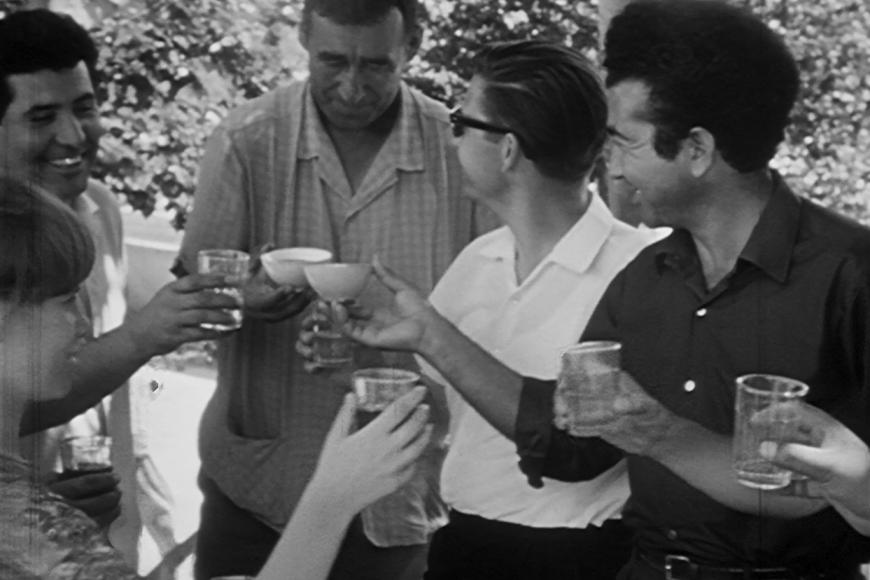
A quote by the Soviet futurist Vladimir Mayakovsky about Lenin frames the plot of this film: A dead man who is “more alive than the living” today. On a tour through the Union of Soviet Republics, the film team meet friends “in the full sense of the word” without mentioning their names: encounters with people in the Soviet Union in 1970.
Matches are out in the GDR! The workers threaten to go to the barricades. A harmless puppet animation? The satire was made just after the uprising of 17 June 1953.
The people, among them an astonishing number of workers, react with visible anger to the sudden lack of matches – and threaten to go to the barricades. The problem is solved, of course. But does it mean the population’s anger is placated? Puppet animation director Johannes Hempel created this satire based on a draft by Wolfgang Kohlhaase – at the same time as the uprising of 17 June 1953.
Katharina Franck, Andreas Kötzing
Credits
Director
Johannes Hempel
Script
Wolfgang Kohlhase, Johannes Hempel
Cinematographer
Rolf Sperling
Editor
Manfred Porsche
Producer
DEFA-Studio für populärwissenschaftliche Filme
Score
H. W. Wiemann
Animation
Johannes Hempel, Herbert K. Schulz, Rosemarie Küssner
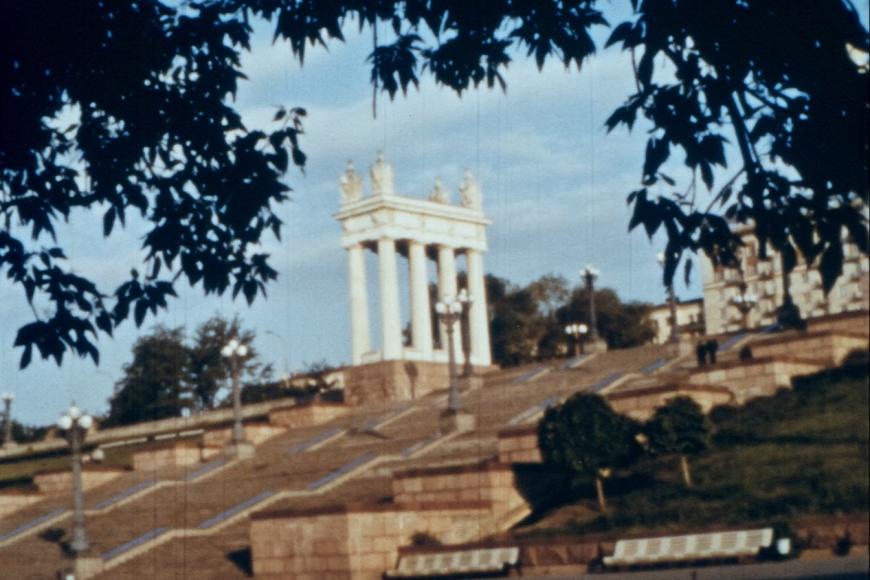
A representative of the Volgograd Section of the German-Soviet Friendship Society recalls German “comrades who fought against Hitler here […] and at other front sectors.” Equalisation with the people in the Soviet Union is completed at the Mamayev Kurgan memorial: The (German) visitors merge with the survivors who mourn their fallen.
Konstantin Wiesinger
Credits
Director
Volker Kastius
Cinematographer
Willy Reitze
Producer
Amateurfilmstudio VEB Elektromotorenwerk Wernigerode
Restitution of the Art Treasures to the Green Vault
anonymous
After the defeat of the Nazi regime, the Soviet occupiers – later friends – were anxious to establish good relationships: They returned “evacuated” art treasures amidst great media attention.
Restitution of the Art Treasures to the Green Vault
Rückgabe der Kunstschätze an das Grüne Gewölbe
anonymous
Matinee Saxon State Archive 2023
Documentary Film
GDR
1958
5 minutes
without dialogue
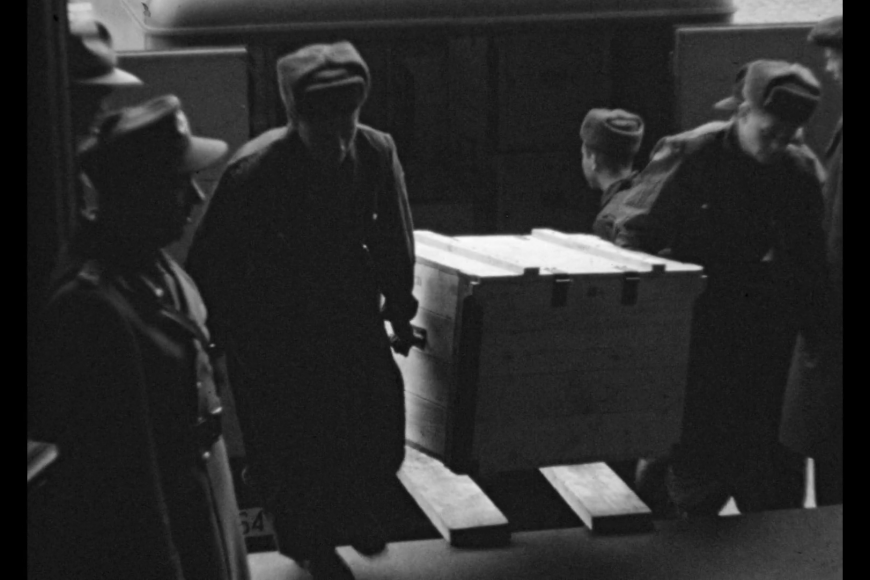
Opening the film is a highly visible Soviet coat of arms with translations of Marx’s call “Workers of the world, unite!” into several languages. In the middle of a media circus, representatives of the Soviet Union restituted art treasures to the GDR. The highlight was the return of “evacuated” objects to the Green Vault in Dresden.
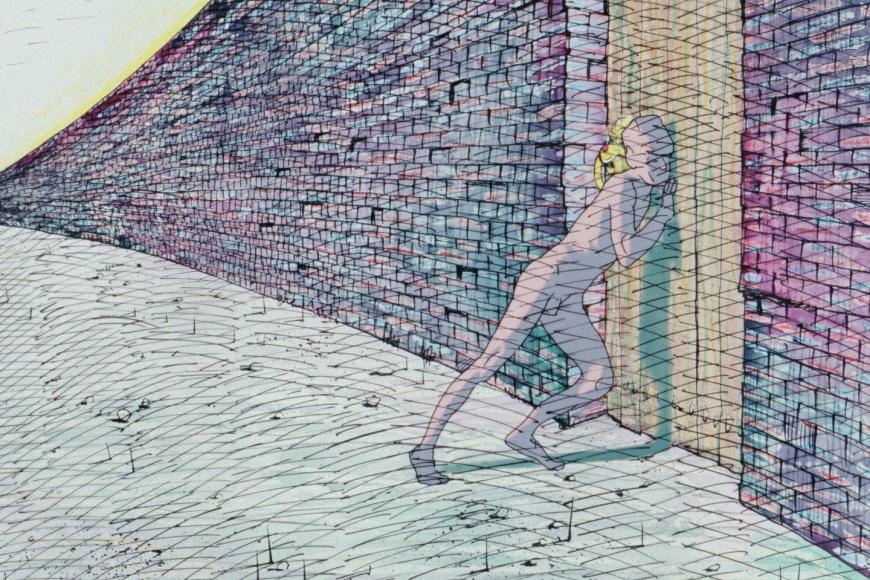
A wall stands in a barren, inhospitable landscape, insurmountable. While the birds are flying unhindered through the air, a human being struggles in vain to open a door in the wall. First as a small child, then as an adult, finally as an old man. When the door at last unexpectedly gives way, it seems too late. A dark allegory by the Leipzig-based painter and graphic artist Rainer Schade.
Woe to the Vanquished – The Workers’ Uprising, 17 June 1953
Andrea Kuschel-Korzecka
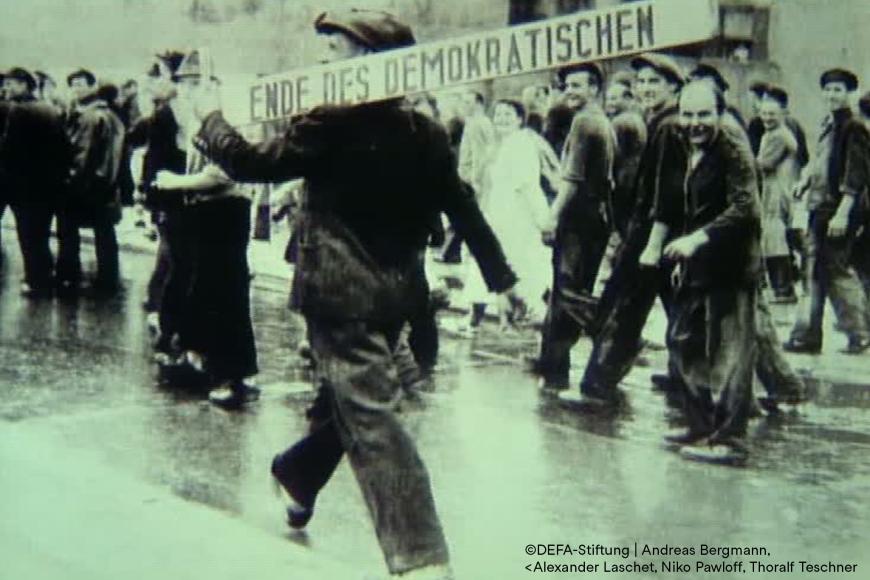
Using original footage from western archives and newly filmed interviews with contemporary witnesses, a cinematic reconstruction of the East German uprising of 17 June 1953 was made in 1990.
Woe to the Vanquished – The Workers’ Uprising, 17 June 1953
Wehe den Besiegten – Der 17. Juni 1953
Andrea Kuschel-Korzecka
DEFA Matinee 2023
Documentary Film
GDR
1990
87 minutes
German
“17 June 1990, East Berlin. The GDR will exist for another three months. No more time to commemorate all those who stood up in ’53, showed civil courage and were vanquished. This film is dedicated to them.” This is what we hear from offscreen as the film opens, to images of a rally for the victims of 17 June.
Right after the collapse of the GDR regime, director Andrea Ritterbusch searched the western archives for sources for a reappraisal of the East German uprising of 17 June 1953. She discovered a wealth of valuable original footage which she combined with newly shot interviews with contemporary witnesses of the revolt. In her documentary film she reconstructs the weeks before and after the countrywide unrest, sheds light on propaganda and, with the help of her interview partners, interprets the progress, cause and political contextualisation of the strikes and demonstrations over time. The SED regime was on the brink of collapse during those days and may well have been toppled without the intervention of the Soviet army. This review of an event that was already 37 years in the past when this film was made is true to reality and at the same time testifies to the excitement and reorientation of the East German population in the years of political change.
Linda Söffker
Credits
Director
Andrea Kuschel-Korzecka
Script
Andrea Kuschel-Korzecka
Cinematographer
Toralf Teschner, Andreas Bergmann, Alexander Laschet, Niko Pawloff
Editor
Petra Barthel
Producer
DEFA-Studio für Dokumentarfilme
Sound
Horst Piel, Lutz Laschet, Andreas Walter, Rainer Pape