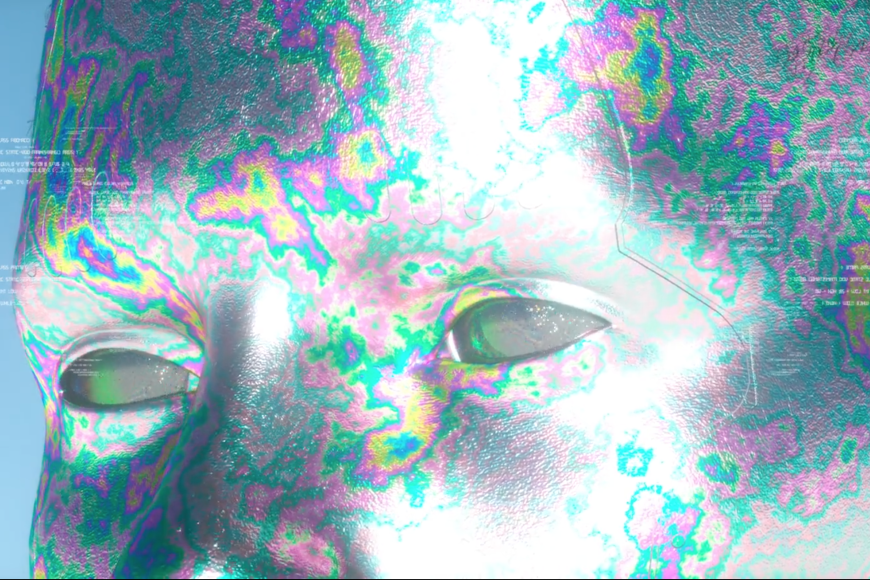
An experimental science fiction film which constantly changes with the weather, responding to real time data from around the world, listening and reacting to nature.
A cyborg of a film, the work is a living interaction of computer graphics and nature. Shaped in real time by weather patterns, the film’s rhythm and sequencing is tied with planetary data from over forty locations around the world. In the spirit of geomantic practice, this truly magical experience is about listening and reacting to Earth’s stories.
Ariel and Paul have no idea that this boring TGV ride is going to turn into a psychotrip. A film about primal fears, the power of the subconscious, and the hubris of playing God.
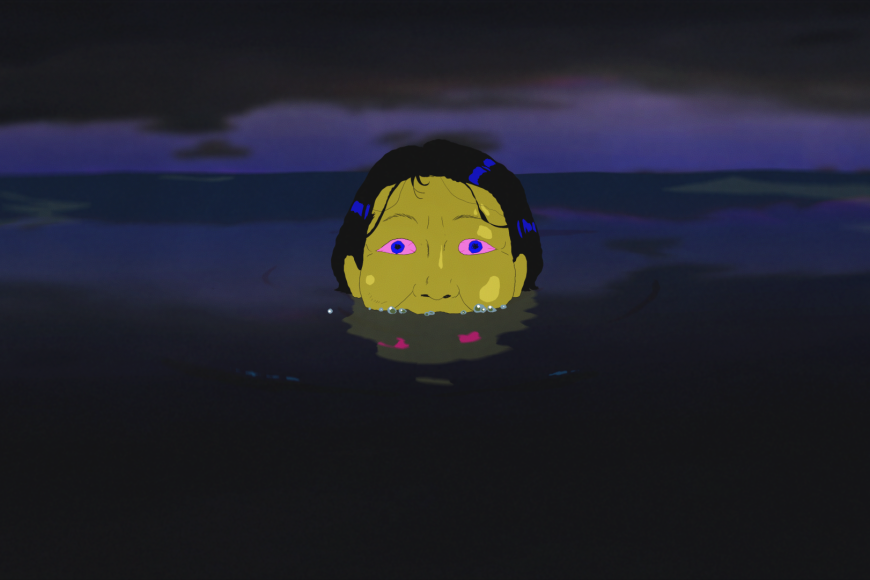
The train ride is deadly boring. The landscape rushes past as a buzzing surrealist kaleidoscope of colours and Ariel and Paul pass the time by drawing their worst nightmares for each other. For Paul it is his mother swimming towards him on the open sea to drag him underwater, for Ariel it is the confrontation with a psychotic woman in the bathtub. What starts out as a game turns uncanny when fellow traveller Gilda joins them – and begins to tell them that the eeriest thing ever happened to her. She hypnotised her demented husband in his sleep. The one who answered her had been none other than God. An indignant God, a disgruntled God and finally a downright angry God, for she had absolutely refused to stop asking her sleeping husband: “Why do we exist?” With an incredibly precise sense for the moment when the profane suddenly develops the potential for horror, Jocelyn Charles takes us on a magnificent psycho-trip. The director leaves it to the audience to determine whether to watch the 2D animation as spot-on genre entertainment or whether to take in the undertones: the hubris of humans who constantly play God and want to solve every mystery, for example. A hubris that does not remain without consequences.