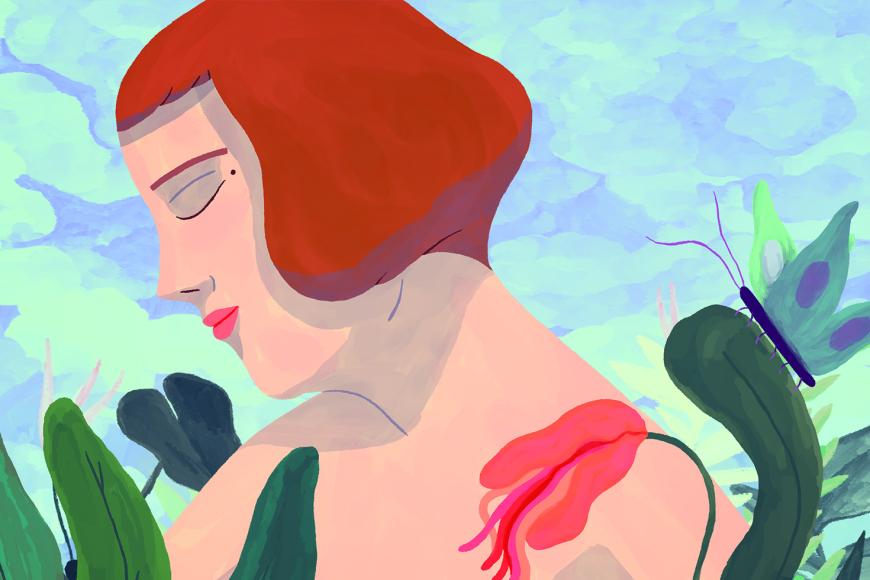
A bicycle accident causes a crack in the protective shell Alice has grown to be able to bear the oppressive confinement of her daily life. Can she finally dance her way out?
It is Alice’s 27th birthday today. She lives in her old room in her parents’ apartment. Her mother coddles her like a little child. Her kid brother gets on her nerves. The only space for self-realisation and living out her sexual desires is in her imagination, if at all. For economic reasons, she and many other young people are denied the chance to live an independent life in their own four walls. So Alice has to endure the confinement.
On the night of her birthday, she goes pub-crawling with a buddy and dances, free at last for a few moments, at a party on the roof of a high-rise. Looking at the nocturnal city and sobering up after all the exuberance, though, her dilemma re-surfaces again: Where is her private space where body and soul can unfold unobserved? Haunting, colourful, with a fantastic soundtrack and full of eroticism, the film describes the depressing situation of a whole generation.
Franka Sachse
Credits
Director
Flóra Anna Buda
Script
Flóra Anna Buda
Editor
Albane du Plessix
Producer
Emmanuel-Alain Raynal, Pierre Baussaron, Gábor Osváth, Péter Benjámin Lukács
Sound
Péter Benjámin Lukács
Score
Mári Mákó, Rozi Mákó
Animation
Zoltán Koska, Gábor Mariai, Luca Tóth, Borbála Zétényi, Flóra Anna Buda
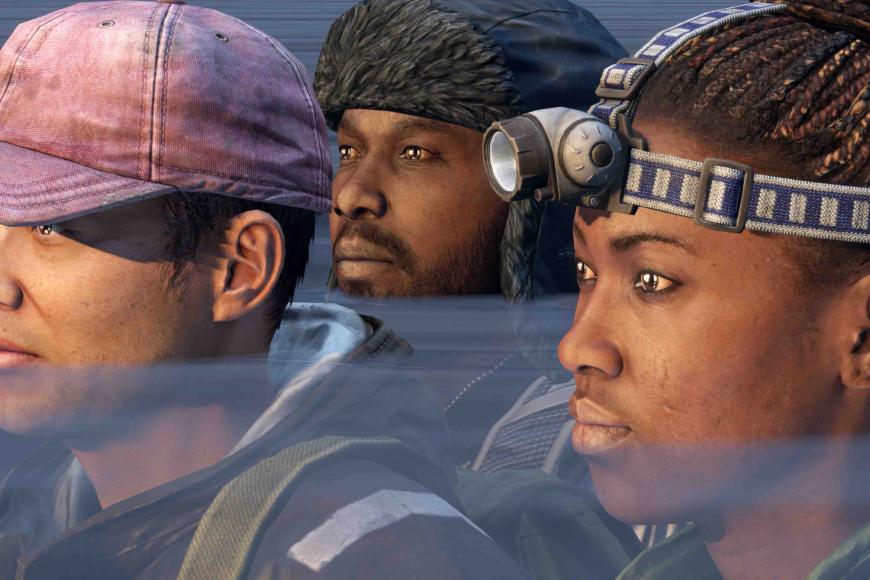
A documentary film crew spends 963 hours in a video game interviewing gamers. Little by little, they drop their masks and give insights into their “real” lives.
Running. Rapid breathing. A shot in the silence. The opening strikes the keynotes: caution, curiosity, thrills. A documentary film team spend 963 hours on the adventure playground of the video game DayZ. Online gamers explore the territory of a post-Soviet disaster province, permanently exposing themselves to the risk of being killed by hostile gamers. Despite their “press” badges, Guilhem, Ekiem and Quentin, as avatars, are subject to the same rules when they interview the gamers in their virtual world. The community is heterogenous: marauding gangs, cowboys with Samaritan ethics, curious wanderers.
Reality is never far away. The gamer “Feesh” is torn from her console during the interview because her IRL (in real life) child is crying. In the course of their conversation, “Iris” shoots her “toy”, a prisoner, before the eyes of the shocked documentary team – a conflict of documentary work opens up. “Knit’s Island” is a disturbing, melancholy to heartwarming tour of chance meetings and friendships of sleepless persons in the artificial world. Some avatars constantly twitch nervously and grotesquely because they act out darkest desires. Others “trick the game” and enter fascinating techno-psychedelic spheres. Game-playing and role-playing persona – sometimes they are one, sometimes two.
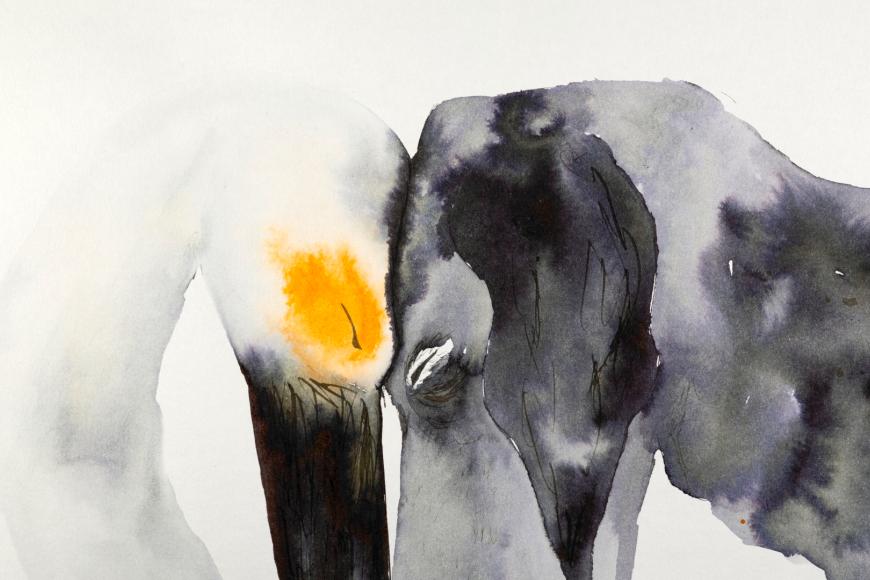
The breasts are in place, the feathers are smoothed, off to the date! Her daughter does not comprehend the ritual of desire yet … Erotically crude, with pointed beaks in the conflicts.
Breasts lifted, bottom tight, feathers smoothed. She is ready for her date. But her daughter clings and refuses to let her go to this as yet incomprehensible, repulsive ritual of desire. Very soon the fully-fledged adolescent will indulge in sexual lust herself … and experience disappointments. In the conflicted world of the two women, men evade partnership and fatherhood. The faithful bitch offers the only support.
As in her previous film, Carla Melo Gampert transfers her impressive but uncompromising analysis of family relationships to the lives of wading birds. Human traits show through in the anatomy, but the bird’s bodies including their feathers and sounds lend themselves perfectly to the apt exaggeration of emotions. Delicate strokes turn into cuttingly sharp movement lines of the animal characters, both in their erotically crude acts of love and their “hands-on” disputes. Soft splashes of watercolour glow incandescently in the heat of lust and warningly in the hopeless fury.
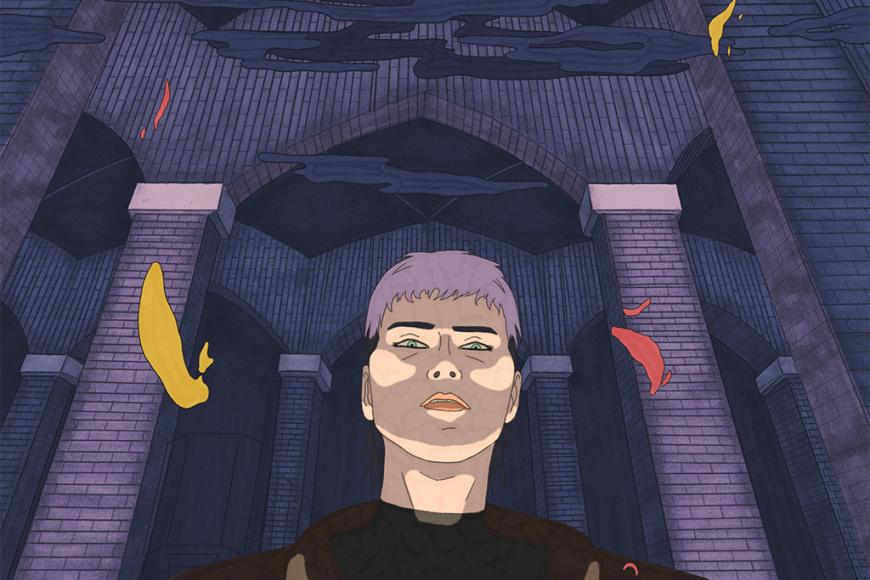
Leipzig, 1989. A young punk, detained in a mental hospital, longs to be close to her boyfriend. A doomed love story in the midst of the collapse of the GDR.
The end of real-socialist oppression, doomed love and tacit double morals unfold in colourful felt-pen images and clear lines. Leipzig, 1989. The city still belongs to the blue shirts of the Free German Youth, there is still talk of a flourishing country in festive speeches. Locked away in a mental hospital for belonging to the Leipzig punk scene and abused as “belonging to an enemy faction” that undermines the GDR from within: Margarethe can stand it. Ultimately, however, the lack of briquettes and the cold water in the communal shower make the young woman dream of being close to her boyfriend Heinrich. While the protests in the streets are growing, Heinrich and his band play church-organised punk concerts that hint at the prospect of freedom. But Stasi spies are more present than ever – until the newly gained freedom to travel scatters them to the winds along with the lights of the fireworks.
Jana Kraft
Credits
Director
Lucas Malbrun
Script
Lucas Malbrun, Marie Larrivé
Cinematographer
Lucas Malbrun
Editor
Clara Saunier, Vincent Tricon
Producer
Nicolas de Rosanbo, Céline Vanlint
Sound
Elodie Thevenin
Sound Design
Quentin Romanet
Score
Mael Oudin
World Sales
Miguel Español Celiméndiz
Artistic Design
Morgan Curt, Hippolyte Cupillard, Jean-Baptiste Peltier, Charlie Belin, Jonas Schloesing, Daria Skripka, Yehor Bondarenko, Angelina Dorozhinskaia
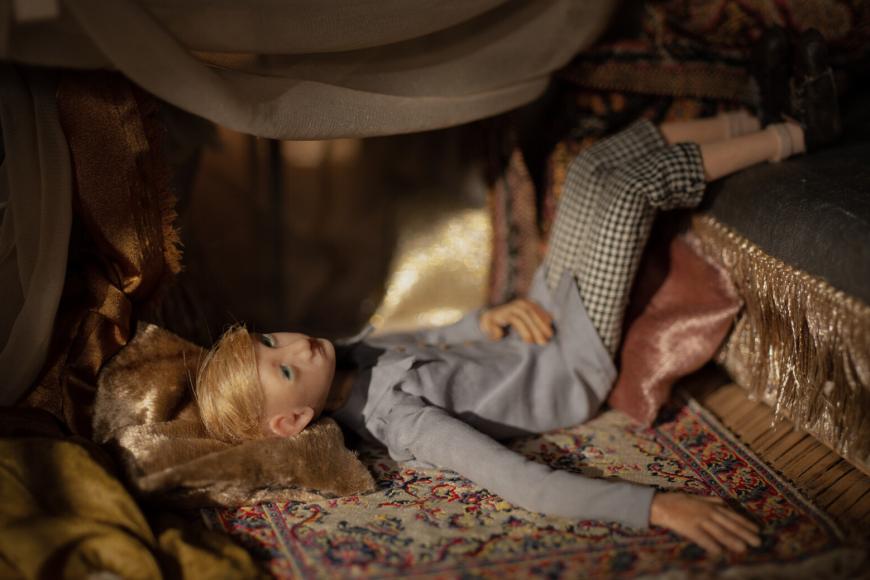
András and his daughter Zsófia enjoy a relaxed Sunday in their stately city mansion, just before the collapse of the Austro-Hungarian monarchy. But soon the silence in the house is disturbed by an escaped pig, closely followed by an unexpected visit: András’ brother, his large family and lots of luggage barge in through the front door. Running children and garrulous relatives bring noise and bedlam to all floors. Art objects are handled without permission, furniture is moved, objects fall to the ground. The visitors have brought chaos. Zsófia’s father and the maid try in vain to restore calm and order. Though András and his brother get closer to each other, the old house is not up to the changed circumstances. A leaking water pipe heralds a finale that at least makes them all stand still together.
Franka Sachse
Credits
Director
Lea Vidaković
Script
Lea Vidaković
Cinematographer
Lea Vidaković, Damien Buquen
Editor
Iva Kraljević
Producer
Draško Ivezić, Jean Francois le Corre, Nikolina Vucetic Zecevic
Sound Design
Zoran Maksimovic
Animation
Marion le Guillou, Bilitis Levillain, Violette Delvoye