Film Archive

Filmstill Houseprints

Houseprints

Hauspausen
Biko Erki, Stefan Koutzev, Nathalie Bailoukova
German Competition Documentary Film 2024
Documentary Film
Germany
2024
10 minutes
German
Subtitles: 
English
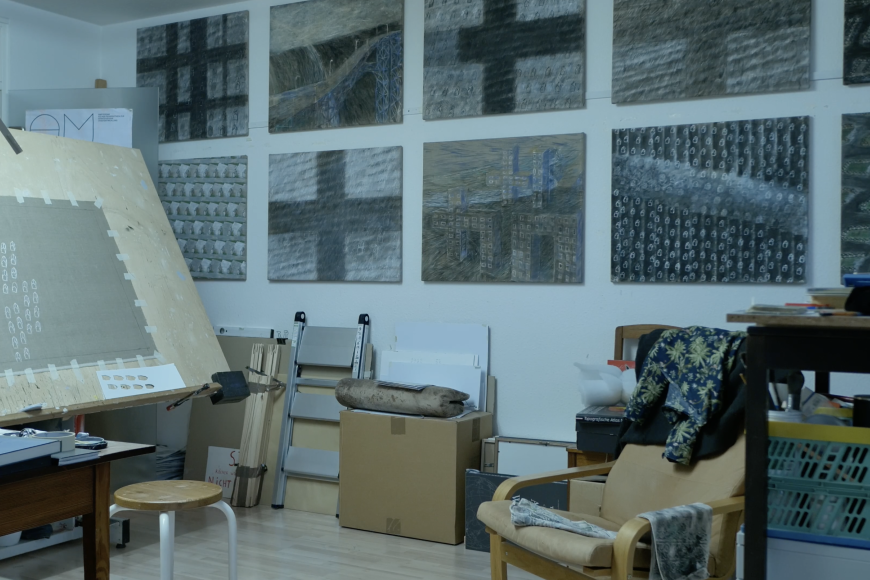
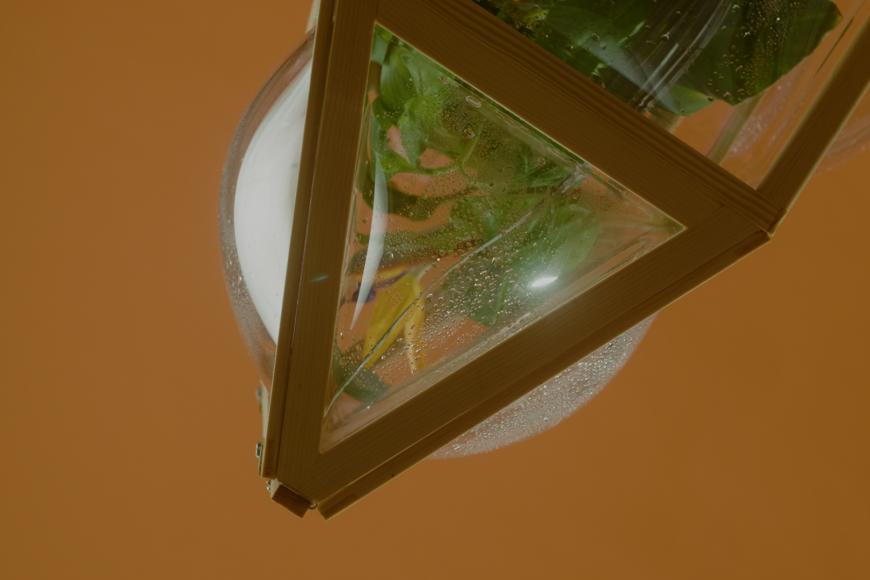
There are large paintings showing views of houses wherever you look. Each house is meticulously outlined; at first glance, they all look the same. Sometimes they keep their distance from each other, sometimes they seem to float in the void. Combined in ever new arrangements, these houses seem strangely unlocalised. With stencil and brush, Johannes Kloosterhuis is already working on the next painting. Each house has its own story, but perhaps the idea of privately owned homes is an outdated ideal, he muses aloud.
As he draws, Kloosterhuis thinks about different forms of living and housing. He himself prefers to look at the world from his window, enjoying the view of car park roofs, gardens and trees. His usually monochrome tableaux, though, have no horizon. Perhaps Kloosterhuis’s artistic vision are so fascinating because they develop an unfathomable life of their own. We get the chance to watch with the camera as they take shape, as a new miniature house, a new miniature fate emerges with every brushstroke.
Anke Leweke

Credits DOK Leipzig Logo

Director
Biko Erki, Stefan Koutzev, Nathalie Bailoukova
Cinematographer
Biko Erki, Nathalie Bailoukova, Stefan Koutzev
Editor
Biko Erki, Nathalie Bailoukova, Stefan Koutzev
Producer
Kunsthochschule für Medien Köln
Sound
Biko Erki, Nathalie Bailoukova, Stefan Koutzev
Sound Design
Biko Erki
Nominated for: Gedanken Aufschluss Prize
German Competition Documentary Film 2024

Sky like Silk. Full of Oranges

Betina Kuntzsch
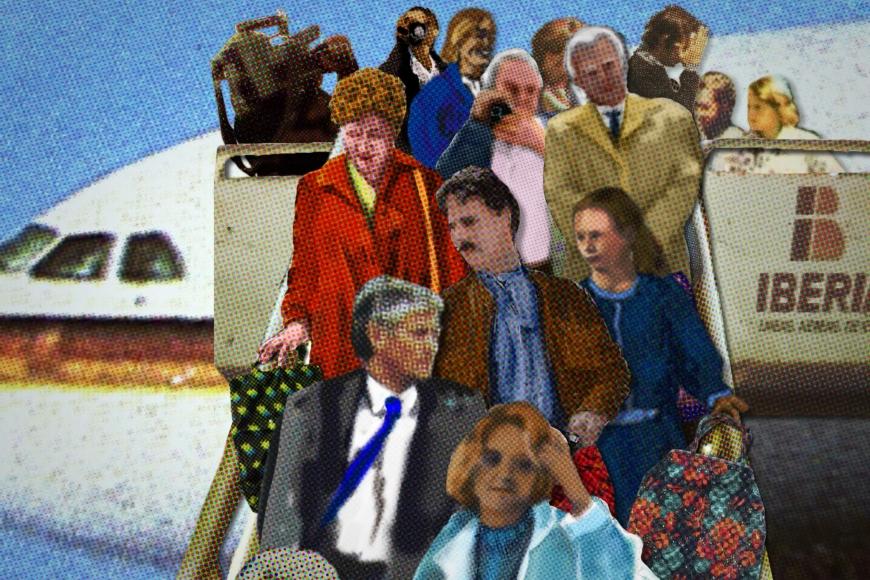
This cheerful animated collage recalls the first Interflug flight to Majorca in spring 1990. The sea may shine ever so blue, the GDR travellers remain mere onlookers in this holiday paradise.
Filmstill Sky like Silk. Full of Oranges

Sky like Silk. Full of Oranges

Himmel wie Seide. Voller Orangen
Betina Kuntzsch
German Competition Documentary Film 2024
Documentary Film
Germany
2024
10 minutes
German
Subtitles: 
English
Picture postcards, travel brochures and holiday photos are all this merrily caustic collage needs to portray moods and desires between the fall of the Berlin Wall and German reunification. In spring 1990, the first Interflug plane carrying GDR citizens touched down on Majorca. About the mediterranean colours of the island, the first-person narrator remarks in the voiceover: “We knew them from the postcards sent by our West German relatives. This was the West, this was West-West.” Ostensibly naïve, her recollections nonetheless develop an ironic undertone. However blue the sea shines in the photos, however loud the castanets play, the travel group with their East German money are never more than onlookers in this half-board paradise. Everything seems like an empty promise: the bursting oranges on the trees, the sumptuous breakfast buffet and the giant hotel pools.
Anke Leweke

Credits DOK Leipzig Logo

Director
Betina Kuntzsch
Script
Betina Kuntzsch
Editor
Betina Kuntzsch
Producer
Betina Kuntzsch
Sound Design
Urs Hauck
Score
Moritz Denis, Eike Hosenfeld
Animation
Betina Kuntzsch
Narrator
Valeska Hegewald
Nominated for: Gedanken Aufschluss Prize
German Competition Documentary Film 2023

Home Sweet Home

Annika Mayer
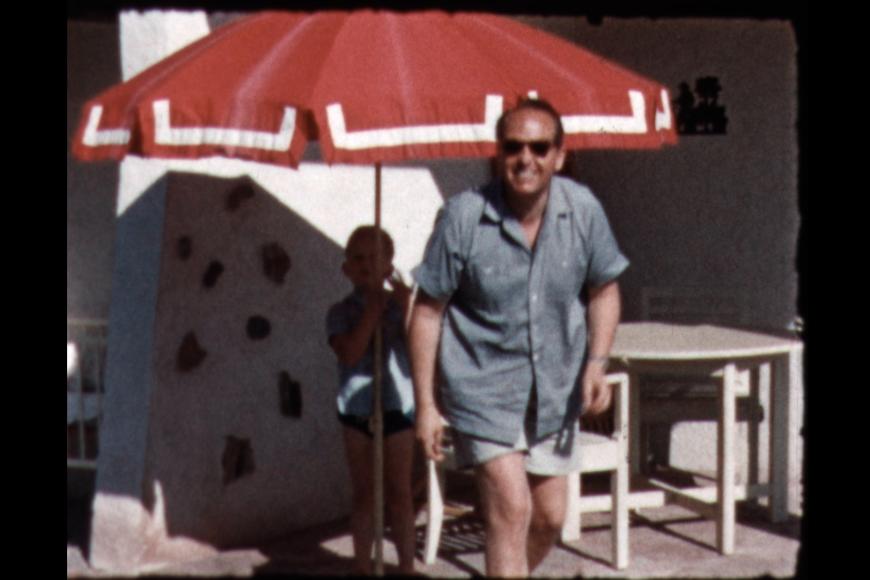
Old Super 8 films show domestic happiness, the West German economic miracle, an idyllic home, grandmother Rose as a young woman at the centre. They do not show the violence in Rose’s marriage. Or do they?
Filmstill Home Sweet Home

Home Sweet Home

Home Sweet Home
Annika Mayer
German Competition Documentary Film 2023
Documentary Film
Germany
2023
67 minutes
German
Subtitles: 
English
Rose and Rolf in the still-young FRG. He, 13 years her senior, was in the Second World War. She, who wants to have many children, accepts his proposal and leaves school. Rose watches Super 8 home movies from the fifties, sixties and seventies with her granddaughter Annika Mayer, the director of “Home Sweet Home”: her two boys in short leather pants, a home with a manicured front garden, dad coming home from work, mom cooking soup with sausage links. Rose does not recognise herself in these ideal images of the German economic miracle. This pretty young woman is a stranger to her.

Annika begins to ask questions. Together with her grandmother, she starts to look for traces of domestic violence in the latter’s marriage, which is invisible in the films. But Rose’s open narratives gradually make her experiences tangible. What biographical abysses may lurk behind Rolf’s proud smile? Judiciously deployed slow motion effects dissect the apparent domestic happiness. Atonal and hyperrealistic sounds lie under the distorted soundtrack. The birds sing all too happily, the idyll suddenly seems deceptive.
Anke Leweke

Credits DOK Leipzig Logo

Director
Annika Mayer
Script
Annika Mayer
Cinematographer
Jakob Krese
Editor
Annika Mayer
Producer
Annika Mayer, Jakob Krese
Sound Design
Gaston Ibarroule
Score
Gaston Ibarroule
Nominated for: VER.DI Prize for Solidarity, Humanity and Fairness, DEFA Sponsoring Prize
German Competition Documentary Film 2025

I Don’t Think I’m Alone in This

Jack Wolf
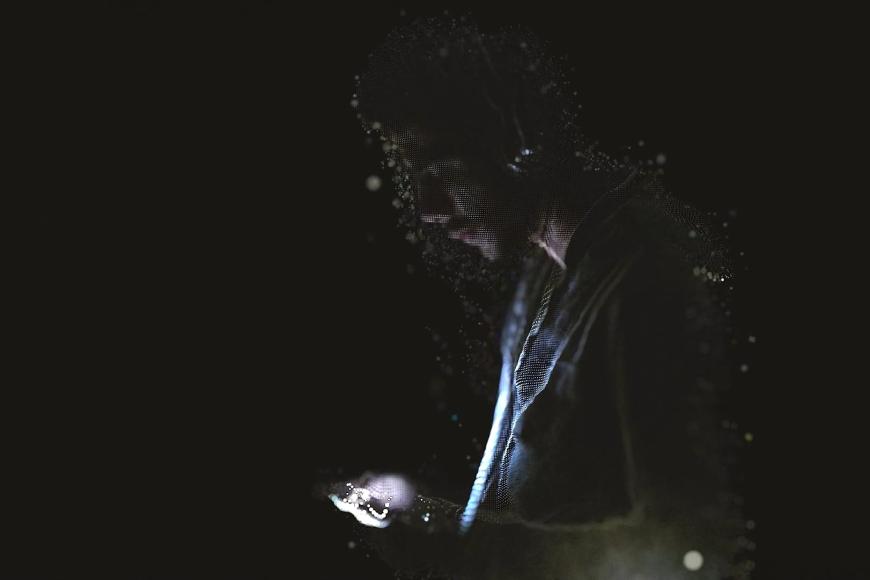
After fleeing from Syria, Amjad has been staying in touch with the outside world from Lebanon via Facebook and the like for years. His mobile offers an escape from boredom and loneliness.
Filmstill I Don’t Think I’m Alone in This

I Don’t Think I’m Alone in This

I Don’t Think I’m Alone in This
Jack Wolf
German Competition Documentary Film 2025
Documentary Film
Germany
2025
10 minutes
Arabic
Subtitles: 
English
The work of Berlin-based filmmaker and artist Jack Wolf is based primarily on investigative research into conflict and environmental issues as well as migration. He also operates in political and social epicentres using state-of-the-art technology and innovative hardware. In this short film he ties all these strands together succinctly and precisely. “I Don’t Think I’m Alone in This” was shot with a time-of-flight camera, which is used in 3D technology and designed to give machines, in the broadest sense, human perception. So visually everything is about data flow, numbers, and transformation. In terms of content, the fate of a young man who fled from Damascus to Beirut as a child ten years ago becomes palpable.
Speaking from the offscreen of a cramped room that is both safe haven and cage, Amjad Bahloul talks about the past. About how wonderful it was to meet all the people in the street, play football, interact with the real world, a blessing. A blessing in the cursed loneliness of a foreign country, as it turned out for Amjad, were Facebook, YouTube, and the like – his only means of social contact. “This lightens the burden,” he says. And now they could help him and other refugees find their way home, because the Syrian regime has fallen. He learned about it from a post …

Andreas Körner

Credits DOK Leipzig Logo

Director
Jack Wolf
Script
Jack Wolf
Cinematographer
Ioannis Kaltirimtzis
Editor
Jack Wolf
Producer
Jack Wolf
Co-Producer
Arne Büttner
Sound
Eero Nieminem
Sound Design
Lugh O'Neill
Animation
Keir Chaggar-Brown
Filmstill The Family Approach

The Family Approach

Im Prinzip Familie
Daniel Abma
German Competition Documentary Film 2024
Documentary Film
Germany
2024
91 minutes
German
Subtitles: 
English
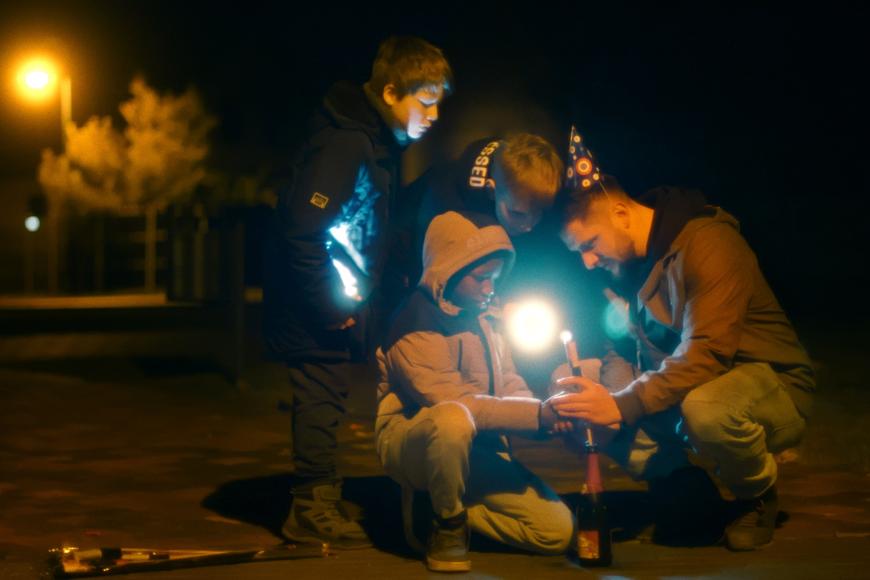
When parents can no longer fulfil their duty of care, the children’s world often falls apart. Nothing stays as it was. Suddenly it is no longer mum or dad who are in charge but the youth welfare system. Daniel Abma followed a youth housing group in a rural area over several years, showing professional educators who want to give five boys between the ages of seven and fourteen what they need most urgently, day by day: security, orientation, a home.
The documentary focus is not on the children but on those who take the parents’ place. They sometimes remind us of Don Quixote tilting at the windmills, for there is a diffusion of responsibility between school, youth welfare services, and absent mothers and fathers. Words fail when adults do not keep appointments, when those in charge capitulate in the face of racist bullying and propose some “time out” – for the bullied boy – in a psychiatric facility. It would be easy to denounce these mechanisms, but that is not the point Daniel Abma wants to make. His observation, both emphatic and reserved, looks questioningly into the gaps in the system – with those who are in danger of falling through and those who try to fill them with affection. He makes us suspect that the answer is not to close all the system’s gaps. It is people who are there for other people and take responsibility.
Luc-Carolin Ziemann

Credits DOK Leipzig Logo

Director
Daniel Abma
Script
Daniel Abma
Cinematographer
Johannes Praus
Editor
Jana Dugnus
Producer
Britta Strampe, Laura Klippel
Sound
Alexandra Praet, Christoph Walter
Sound Design
Alexandra Praet, Roman Pogorzelski
Score
Henning Fuchs
German Distributor
Camino Film
Broadcaster
Rolf Bergmann, Dagmar Mielke
Commissioning Editor
Rolf Bergmann, Dagmar Mielke
Funder
Medienboard Berlin-Brandenburg GmbH, Deutscher Filmförderfond, BKM - Die Beauftragte der Bundesregierung für Kultur und Medien, FFA Filmförderungsanstalt
Nominated for: VER.DI Prize for Solidarity, Humanity and Fairness, DEFA Sponsoring Prize, Gedanken Aufschluss Prize
Winner of: Gedanken Aufschluss Prize, ver.di Prize for Solidarity, Humanity and Fairness
German Competition Documentary Film 2024

There Are Many Doors in My Mother’s Home

David Kind
Family photos. A woman’s face is scratched out or overpainted. Fragmentary descriptions of the mother’s sudden outbursts are added. Approaching the trauma of an experience of violence.
Filmstill There Are Many Doors in My Mother’s Home

There Are Many Doors in My Mother’s Home

In den Wohnungen meiner Mutter sind viele Türen
David Kind
German Competition Documentary Film 2024
Documentary Film
Germany
2024
18 minutes
German
Subtitles: 
English
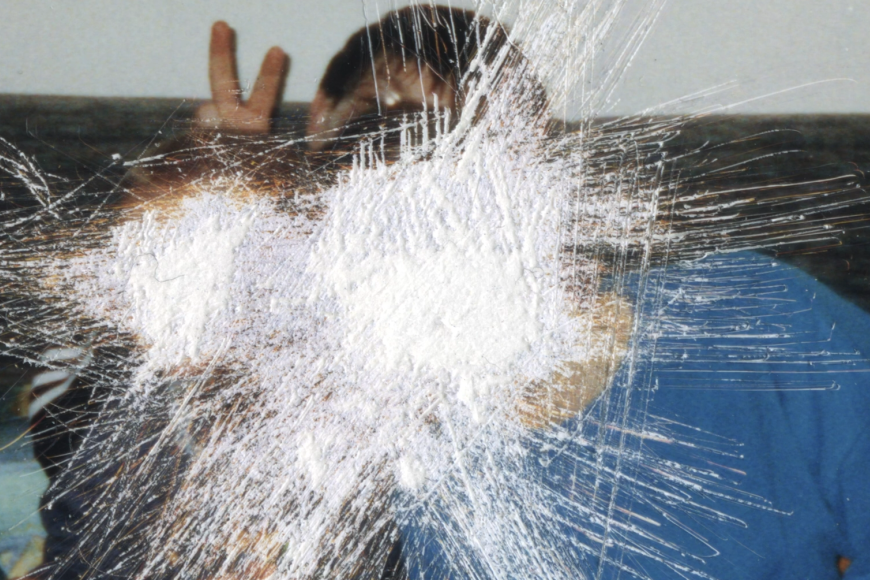
We all know photos with painted-over or cut-out faces. The repeatedly inserted hand that works on family pictures with pens and other utensils seems like a refrain. The attempts at eradication are audible. They are a dissonance transferred to the body. Scratch, distort, remove. Usually a woman’s head.
Even if the narrator speaks in the third person, even if the hand may not be his hand, these could be his own experiences. The fragmentary descriptions revolve around a mother who beats and tortures her children. It is a childhood in permanent fear. How do you deal with the memories and scars in adulthood? Can the experience be put into words at all? Why do you feel strangely alienated from your siblings who suffered the same? David Kind’s essayistic approach to the trauma of violence is questioning. The doors of the title are opened with extreme caution.
Anke Leweke

Credits DOK Leipzig Logo

Director
David Kind
Script
David Kind
Cinematographer
David Kind
Editor
David Kind
Producer
David Kind
Sound
Florian Puls, Fabian Habecker, Konrad Ruda
Sound Design
Konrad Ruda
Filmstill Kamogawa

Kamogawa

Kamogawa
Rainer Komers
German Competition Documentary Film 2025
Documentary Film
Germany
2025
16 minutes
Japanese
Subtitles: 
English
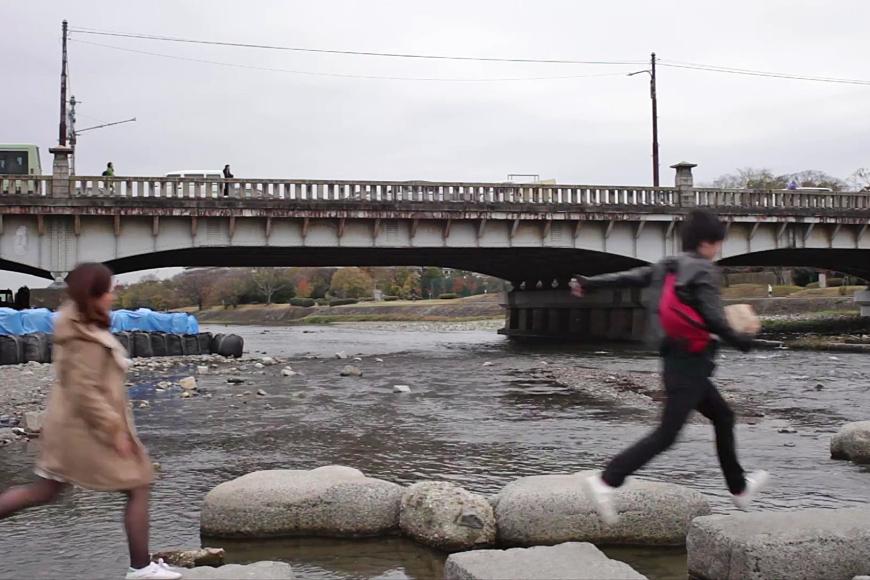
A train rattles in the distance, a heron stalks through the water, children practice gymnastics on the promenade. A couple is on its way to the opposite bank, hopping from stone to stone. One of the stones is shaped like a turtle, symbolising wisdom. An elderly man sings beneath a concrete bridge, his voice echoing. Moving snapshots of the Kamogawa, the wild duck river in Kyoto, develop a captivating rhythm that is easy to get lost in. The men, women and children seem absorbed in their activities and themselves. Like the fisherman who is downright surprised by the fat fish on his line. Sometimes the camera also peeks into the houses behind the embankment. An elderly couple make fabrics with fancy patterns in a workshop, the regular clacking of their loom has a soothing quality. The images are full of cheerful serenity.
Anke Leweke

Credits DOK Leipzig Logo

Director
Rainer Komers
Cinematographer
Rainer Komers
Editor
Gregor Bartsch, Dirk Peuker
Producer
Rainer Komers
Sound Design
Christian Obermaier
German Distributor
Rainer Komers
German Competition Documentary Film 2023

Weeding

Amelie Vierbuchen, Lea Sprenger, Franca Pape
Three filmmakers research the history of a chemical factory in Cologne-Kalk. Off- and online archives teach them the art of weeding out and throwing away, the art of daring the gap.
Filmstill Weeding
Filmstill Weeding
Filmstill Weeding
Filmstill Weeding

Weeding

Kassieren
Amelie Vierbuchen, Lea Sprenger, Franca Pape
German Competition Documentary Film 2023
Documentary Film
Germany
2023
9 minutes
German
Subtitles: 
English
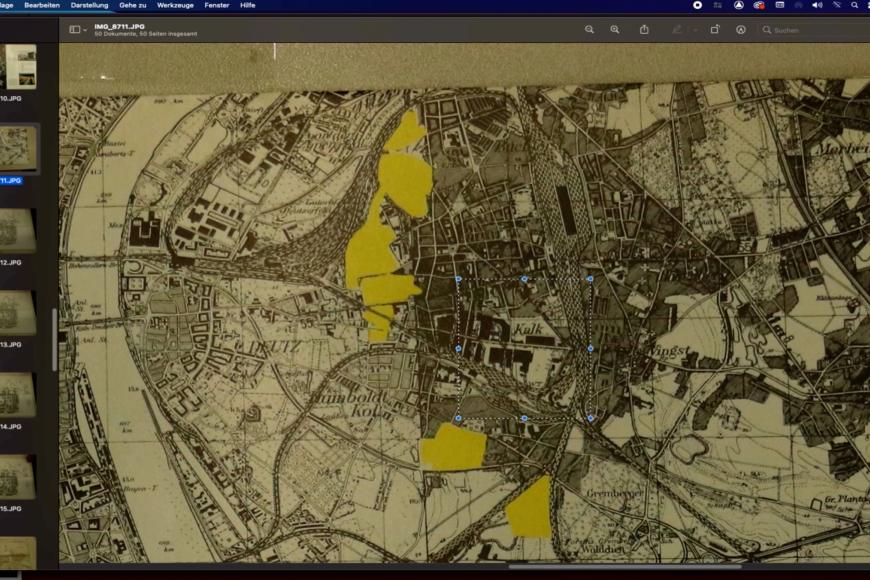
Three directors prepare a film about the chemical factory in the Cologne district of Kalk, on whose former grounds a shopping mall has been built. With some self-mockery they talk about their investigation and search for sources, their capitulation to the resistance of the material. Meanwhile, an archivist struggles with a mis-spooled 16mm film. Historical images splutter across the monitor of his analogue editing table. The silhouette of the factory with its towering chimneys is discernible. Site plans are shown, chemicals are blithely mixed. In an album, the filmmakers discover faded photos of female forced labourers. Suddenly, questions arise: Which stories are kept, which forgotten? Throwing away is part of his job, after all, the archivist explains in the finest Rhenish accent. What does this statement mean for the directing trio?
Anke Leweke

Credits DOK Leipzig Logo

Director
Amelie Vierbuchen, Lea Sprenger, Franca Pape
Cinematographer
Amelie Vierbuchen, Lea Sprenger, Franca Pape
Editor
Lea Sprenger, Franca Pape
Producer
Kunsthochschule für Medien Köln
Sound Design
Lea Sprenger, Franca Pape
Filmstill Kathy and Teresa

Kathy and Teresa

Kathy and Teresa
Marie Zrenner
German Competition Documentary Film 2023
Documentary Film
Germany,
Canada
2023
14 minutes
English,
Inuktitut
Subtitles: 
German, English
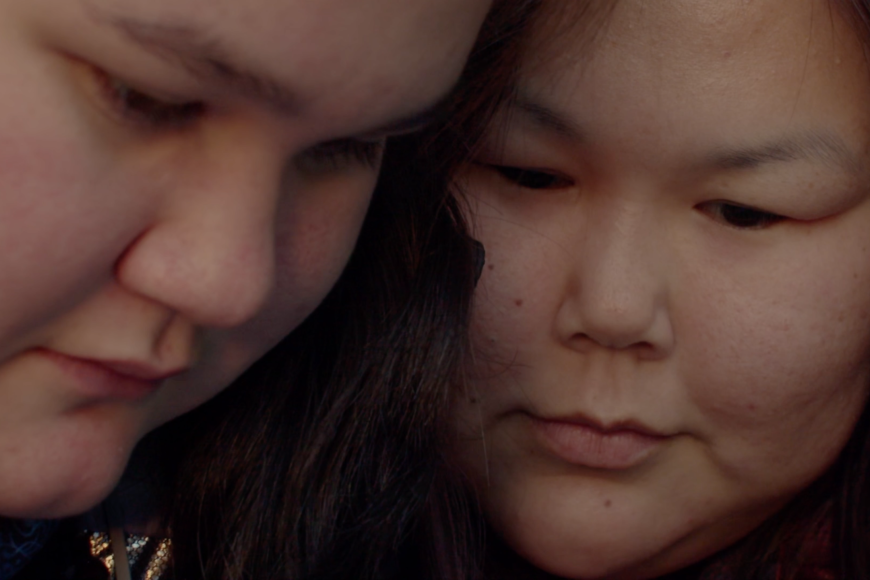
Two young girls are drifting in the water of a public swimming pool. The film adopts this drifting attitude as it follows them through nocturnal Montreal and their daily life. Sometimes the two speak English, sometimes Inuktitut. Kathy and Teresa come from a small Inuit settlement in northern Canada. They show each other smartphone pictures of seals and bears they killed themselves. They read about the special relationship between the Inuit and their sledge dogs, which has lost its importance today. Home assignments are done in a park – the scent of the trees reminds them a little of home. They close their eyes. With great tenderness, the camera captures the deep bond between the two best friends who share the same heritage and language. Kathy has written a moving song in Inuktitut. In simple, clear words, she sings of the feelings and yearnings of a young Indigenous woman.
Anke Leweke

Credits DOK Leipzig Logo

Director
Marie Zrenner
Script
Marie Zrenner, Kathy Snowball
Cinematographer
Youssef Nassar
Editor
Ulrike Tortora
Producer
Sabrina Kleder
Co-Producer
Caroline Bergoin
Sound
Teresa Annanack, Sabrina Kleder, Youssef Nassar
Sound Design
Cornelia Böhm
Score
Kathy Snowball
German Distributor
Hochschule für Fernsehen und Film München
Filmstill The Vagabond’s Garden

The Vagabond’s Garden

Lichter der Straße
Anna Friedrich
German Competition Documentary Film 2024
Documentary Film
Germany
2024
86 minutes
German
Subtitles: 
English
What does it mean to live a nomadic life in Germany today? How do people see you when to keep moving is more important to you than possessions and social status? What are the prejudices faced by people who work outside the 40-hours-per-week regular job model and want to be fulfilled? To get some answers to these questions, Anna Friedrich walks part of the way with four women who prefer travelling to settling.
The journeywoman Magdalena loves the intensity of permanent new beginnings, but travelling also keeps her from working in her dream job as a qualified farmer. As an activist, Johanna lives in her refurbished van, which she has parked at various spots for years, and frequently takes part in political protests like forest occupations. Elwera, a former tightrope artist, and her granddaughter Ghislaine belong to the Yenish community who move from market to market, continuing a generations-old tradition. Director Anna Friedrich uses the conversations to shed light on her own longing for being on the road, but also for a critical reflection of the settled world in the eyes of these women. The potentials of a nomadic existence thus emerge – and how they are in danger of wasting away between settlement permits and garden fences. Stepping to the other side of the fence opens possibilities.
Luc-Carolin Ziemann

Credits DOK Leipzig Logo

Director
Anna Friedrich
Cinematographer
Robin Angst, Ray Peter Maletzki, Leonard Schmidt, Anna Friedrich
Editor
Federico Neri, Miro Schawalder
Producer
Stephan Helmut Beier, Ray Peter Maletzki
Co-Producer
Thomas Beyer, Andrea Wohlfeil, Filmuniversität Babelsberg KONRAD WOLF
Sound
Alejandro Weyler, Anna Friedrich, Elisa Malter
Sound Design
Irma Heinig
Score
Max van Dusen
Broadcaster
Thomas Beyer
Nominated for: VER.DI Prize for Solidarity, Humanity and Fairness, DEFA Sponsoring Prize
Filmstill Moria Six

Moria Six

Moria Six
Jennifer Mallmann
German Competition Documentary Film 2024
Documentary Film
Germany
2024
82 minutes
Greek,
German,
English
Subtitles: 
English
There was an eery silence after a fire had destroyed the Moria camp completely in September 2020. Not just locally, but in public discourse. The world did not seem particularly concerned with the inhumane conditions in other camps on Europe’s external borders or the countless pushbacks in the Mediterranean. Nor did the arrest of six adolescents who were accused of arson resonate in any audible way – though even a second glance at the circumstances of the investigation and the criminal proceedings revealed the actions of the Greek judiciary to be questionable. Not to mention the underlying refugee policy of the European Union.
Jennifer Mallmann dares to take this second glance with her film. At its centre is her correspondence with Hassan, one of the convicted youths, who tells her of his everyday life, his desires and fears from prison. Calm, precisely framed images document “normality” on the fringes of Fortress Europe. They show how strategical isolation and the ensuing structural exclusion work. If you want to know how our community of nations imagines its future you only need to look at the newly-built futuristic high-security camps, where new arrivals are treated like people who have committed serious crimes.
Luc-Carolin Ziemann

Credits DOK Leipzig Logo

Director
Jennifer Mallmann
Cinematographer
Sina Diehl
Editor
Maxie Borchert
Producer
Matthias Drescher
Co-Producer
Max Brunner, Svenja Vanhoefer
Sound
Vincent Egerter
Sound Design
Timo Kleinemeier
Score
Clemens Gutjahr
Nominated for: VER.DI Prize for Solidarity, Humanity and Fairness, Gedanken Aufschluss Prize, DEFA Sponsoring Prize, Leipziger Ring
Winner of: DEFA Sponsoring Prize, Leipziger Ring
More to watch
Filmstill Pain That Comes in Waves

Pain That Comes in Waves

Pain That Comes in Waves
Irem Schwarz
German Competition Documentary Film 2024
Documentary Film
Germany
2024
19 minutes
English
Subtitles: 
German
Pregnancy, birthing and parental care are strongly charged social roles. The partly absurd public discourse about them – reinforced by hyper-positive media images and stereotypes – makes natural concerns feel less and less natural. Evolutionary necessities have been turned into ciphers whose collective emotional over-forming leaves next to no space for personal experience. In this phase of life, self-awareness and external perception often diverge substantially. There is usually little room, neither for fears and doubts nor for any other emotion, outside the generally prescribed bliss. Prenatal stages of development seem pre-defined, standardised, tried and tested. Little can be done “right”, much “wrong”. Every decision for or against a pre-natal optimisation measure counts. Nothing is left to chance.
But what if chance strikes anyway? When the ultrasound diagnosis yields a painful result? How does obstetrics, obsessed with detail, handle deviations from “the plan”, how does it deal with the fact that statistically one in six pregnancies ends in miscarriage? Filmmaker and editor Irem Schwarz’s found footage collage is a haunting combination of terribly omnipresent cliché imagery that addresses these relevant questions in a voice that is more than just her own.
Luc-Carolin Ziemann

Credits DOK Leipzig Logo

Director
Irem Schwarz
Editor
Irem Schwarz
Producer
Irem Schwarz
Sound
Marc Lehnert
Score
Damian Scholl
Animation
Xenia Smirnov
Filmstill Projekt

Projekt

Projekt
Dane Komljen
German Competition Documentary Film 2023
Documentary Film
Germany,
Nigeria
2023
25 minutes
English,
Yoruba,
Igbo,
Pigdin
Subtitles: 
German, English
A brief historical summary to begin with: The Lagos International Trade Fair centre was built in the mid-1970s, intended to serve as a marketplace for the non-aligned states. Archival footage and inserts alternate abruptly. While the news images of the time are rather propagandistic in tone, the inserts supply the sober facts.

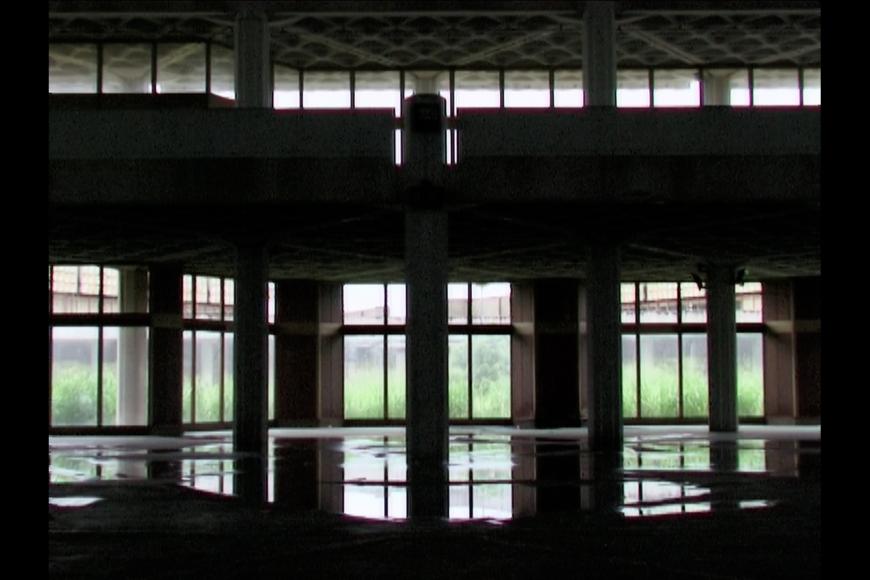
Some fifty years later, vast tracts of the exhibition halls are under water – an ideal place for ferns and other humidity-loving plants. The initially static camera begins to move. Young craftsmen have converted one tract of the giant complex into workshops: they hammer, carpenter, repair bicycles, prepare meals. There is also a lot of activity outside the rambling site with its artificial lake; people are still trading; everyone is busy with something. A woman’s voice remembers bygone days while two young men ride a bicycle through an empty exhibition hall. A building may have lost its original purpose, but new and independent life has moved in. An open, trans-historic space in the making.
Anke Leweke

Credits DOK Leipzig Logo

Director
Dane Komljen
Script
Dane Komljen
Cinematographer
Dane Komljen, Kendo Osakawe
Editor
Dane Komljen
Producer
Zsuzsanna Kiràly
Sound Design
Jakov Munižaba
German Competition Documentary Film 2023

Showhouse

Anna Lauenstein, Max Hilsamer
“The world in one garden” – with this claim of omnipotence, the construction of the Botanical Garden in Dahlem began. The deeper one enters, the clearer the traces of imperialist thinking emerge.
Filmstill Showhouse
Filmstill Showhouse

Showhouse

Schauhaus
Anna Lauenstein, Max Hilsamer
German Competition Documentary Film 2023
Documentary Film
Germany
2023
30 minutes
German
Subtitles: 
English
From a distance, the glass greenhouse looks like a spaceship which could have landed decades or only minutes ago. In any case, the Botanical Garden in Berlin seems to belong to another era. A group of young people are exploring, feeling plants, trees, and the building according to their very own criteria. Are they aliens? Are they imitating the expeditions of German explorers from the colonial period?

The commentary muses on the history of the place: at the end of the 19th century, work began on the construction of the new greenhouses of the Botanical Garden in Dahlem to bring the world to one garden. This idea formulated a claim of omnipotence, too. In the rambling park, the camera comes across the naturalistic statue of a semi-nude man sowing seeds. It was created by the sculptor Hermann Joachim Pagels, who was very successful under the Nazis. The deeper the film penetrates the thickets of this garden, the more traces of imperial and colonialist thinking come to light. But the Botanical Garden is also a utopian place. What if this greenhouse-spaceship were to take off to distant spheres again? Could the plants guarantee the survival of our species on other planets? But perhaps they have a different plan, a life of their own?
Anke Leweke

Credits DOK Leipzig Logo

Director
Anna Lauenstein, Max Hilsamer
Cinematographer
Max Hilsamer
Editor
Max Hilsamer, Anna Lauenstein
Sound
Adrian Gutzelnig
Score
Sebastian Eppner
-
Martina Weber
Nominated for: Gedanken Aufschluss Prize
German Competition Documentary Film 2023

Sick Girls

Gitti Grüter
Is ADHS the fashionable diagnosis of a society geared towards efficiency and Ritalin the perfect doping agent? A personal journey to the heart of chaos and back – from a deliberately female perspective.
Filmstill Sick Girls

Sick Girls

Sick Girls
Gitti Grüter
German Competition Documentary Film 2023
Documentary Film
Germany
2023
79 minutes
German,
Swiss German
Subtitles: 
English
In recent years, the number of diagnoses of attention-deficit hyperactivity disorder has skyrocketed. What are the reasons? Does a society geared towards efficiency use the label ADHS to weed out anyone who does not fit its frames? What are the consequences of the fact that medication treatment has become almost ubiquitous? Could Ritalin and the like have become the doping of the performance society?

In their very personal documentary, Gitti Grüter, diagnosed with ADHS since puberty, sets out to find answers. Grüter talks to five women who have been officially diagnosed with this disorder about lack of concentration, impulsive behaviour, overstimulation, relationship problems, depression and insomnia. The open conversations gradually reveal how hard life can be for women with ADHS, because social stereotypes of femininity often prevent or delay the right diagnosis. Through the calculated use of filmic means, Grüter manages to convey to the audience a sense of the permanent and overpowering inner and outer chaos. Skilfully and with a generous dose of irony, they focus on how people suffering from ADHS are stigmatised – and not least on the role of gender stereotypes in this process. The conclusion is surprising and encouraging.
Luc-Carolin Ziemann

Credits DOK Leipzig Logo

Director
Gitti Grüter
Script
Gitti Grüter
Cinematographer
Lenn Lamster
Editor
Dan Gatzmaga
Producer
Christoph Holthof, Daniel Reich, Norman Bernien
Co-Producer
Sara Günter, ZDF Das kleine Fernsehspiel, Filmuniversität Babelsberg KONRAD WOLF
Sound
Simon Ferber
Sound Design
Larissa Kischk, Eva Perhácová, Simon Schüler
Score
Valeriia Khazan, Felix Römer
German Distributor
Luna Selle
Nominated for: Goethe-Institut Documentary Film Prize, Gedanken Aufschluss Prize, DEFA Sponsoring Prize, VER.DI Prize for Solidarity, Humanity and Fairness
Filmstill Abode of Dawn

Abode of Dawn

Sonnenstadt
Kristina Shtubert
German Competition Documentary Film 2024
Documentary Film
Germany
2024
105 minutes
Russian,
German,
English
Subtitles: 
English
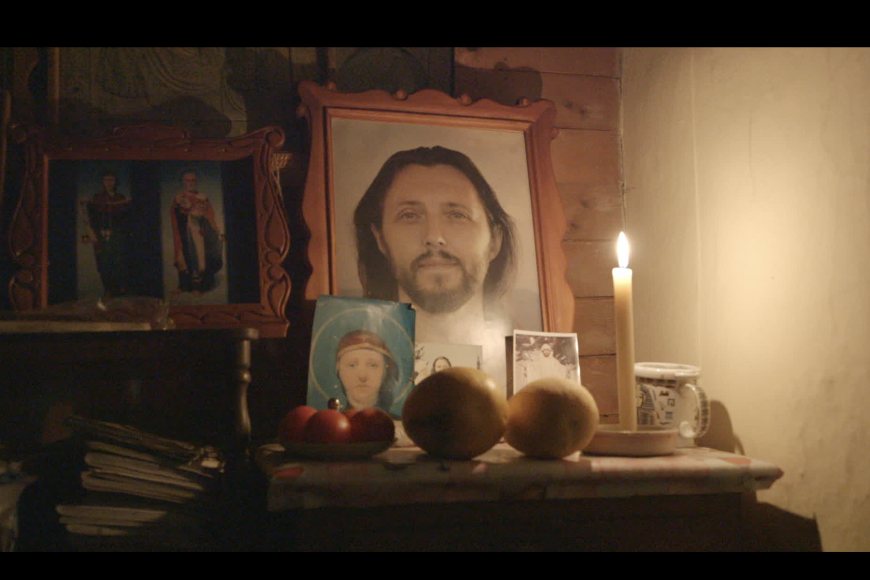
The winters in the Siberian taiga may be long, but at least Moscow is far away. In the early 1990s, a religious community lead by former traffic cop Sergei Torop settled in the endless landscape at the foot of the eastern Sayan Mountains. After a religious revival he calls himself Vissarion, wears flowing robes, long hair and acts as the Son of God on earth. Misty-coloured portraits on which “the Teacher” gazes obliviously into the distance hang in the homes of his followers. Together they have created the model town of “Abode of Dawn”, also called “Sun City” by the locals, to build a new society.
Director Kristina Shtubert travelled to Siberia five times between 2013 and 2022. Her gaze is observational, less concerned with the search of faith and meaning than with the question whether the Sun City dwellers are happier here than in their discarded lives. And what would their alternatives be? More and more, the long-term observation turns into a post-Soviet narrative of a faded-out state. Meanwhile, the militarisation of the country progresses. Moscow is coming closer.
Anke Leweke

Credits DOK Leipzig Logo

Director
Kristina Shtubert
Cinematographer
Hanna Mayser
Editor
Dietmar Kraus, Calle Overweg, Adrienne Hudson
Producer
DFFB Deutsche Film- und Fernsehakademie Berlin
Co-Producer
Kristina Shtubert, Rolf Bergmann
Sound Design
Sasha Valent
Production Company
DFFB Deutsche Film- und Fernsehakademie Berlin
-
Andreas Louis, Margarita Amineva-Jester
Nominated for: Leipziger Ring, DEFA Sponsoring Prize, VER.DI Prize for Solidarity, Humanity and Fairness, MDR Film Prize