A day at the zoo. An orangutan and a girl have fun fooling around. Until the father’s business dealings trigger a chain of events that changes everything.
A day at the zoo, the orangutan sits in his cage and dreams of his life in the jungle when a girl comes by and brightens his dull afternoon. Her father doesn’t notice anything because he is on his mobile and laptop all the time to do important business. So important that the orangutan has to intervene, and a chain of event changes everything.
Lina Dinkla
Credits
Director
Ulf Grenzer
Script
Ulf Grenzer, Franka Sachse
Editor
Ulf Grenzer
Producer
Ulf Grenzer, Filmuniversität Babelsberg KONRAD WOLF
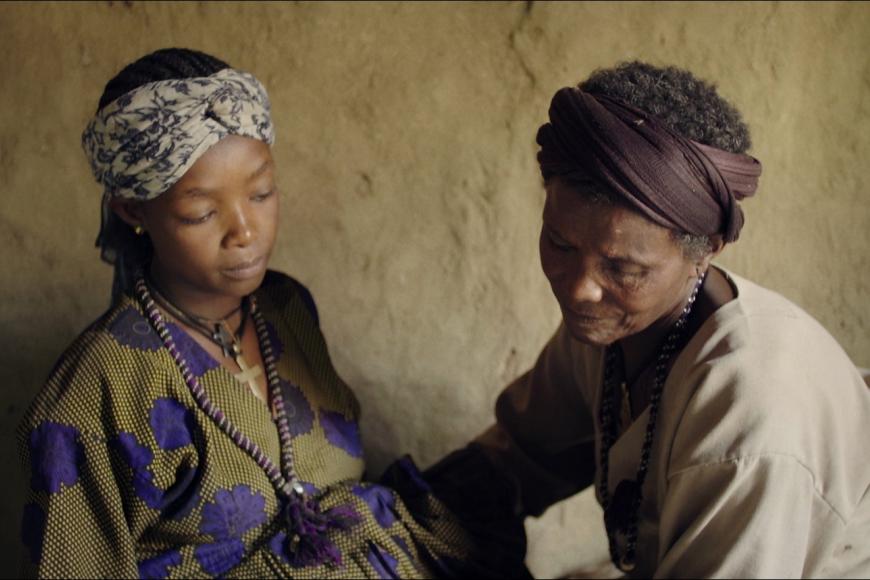
Home birth or clinic? In the field of tension between traditional and modern midwifery, the conflicts of women in Ethiopia’s changing society come to light.
In rural Ethiopia the staff of a health centre are fighting maternal mortality. They tirelessly appeal to women to give birth in the clinic. But reservations are strong, and so are the practical obstacles. How are heavily pregnant women supposed to arrive in time when the ambulance comes hours later or not at all? Against medical advice, Hulu Ager decides to give birth at home, assisted by a traditional midwife.
With palpable familiarity, the film crew captures moments of intimate communion between Hulu Ager, the midwives and other women. On the margins of the central conflict, the many challenges they face in a patriarchal society emerge. The debates are most lively under the hood dryer at the hairdresser’s: She doesn’t enjoy sex because of her circumcision, the medical professional Welela reports. “Sometimes you have to prepare yourself for sex,” another customer advises. Sometimes it helps to get drunk. But the perky hairdresser is sure: Bad sex is grounds for divorce. The women share their desires and woes with each other, experience solidarity and gather courage for small and great acts of departure and resistance. Men are relegated to the role of extras, if at all.
Sarina Lacaf
Credits
Director
Sarah Noa Bozenhardt, Daniel Abate Tilahun
Script
Sarah Noa Bozenhardt
Cinematographer
Bernarda Cornejo Pinto
Editor
Andrea Munoz
Producer
Sonja Kilbertus
Co-Producer
Hiwot Admasu, Beza Hailu Lemma
Sound
Alex Praet
Score
Anna-Marlene Bicking
Winner of:
Honourable Mendtion (International Competition)
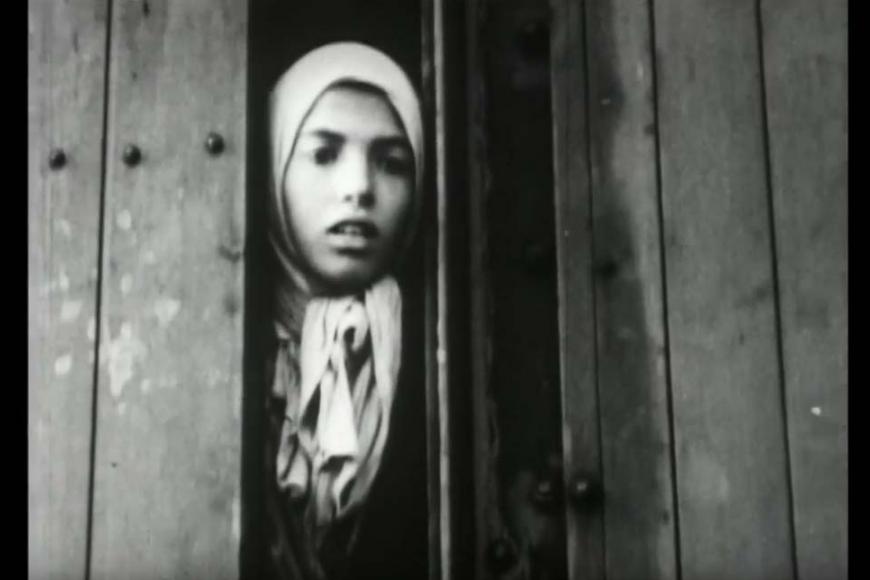
Material from the Nazi Jewish transit camp Westerbork. Every road from here lead to death, including for the cameraman. Farocki analyzes the silent sequences: surgery on the narrative.
Anyone interned in the Nazi Jewish transit and collection camp Westerbork in the occupied Netherlands faced death: The trains left to Auschwitz from here, to Sobibór. In 1944, the camp commander ordered the prisoner and cameraman Rudolf Breslauer, who was murdered shortly afterwards, to film the camp, presumably as visual evidence of his own “work performance”. Harun Farocki, West German doyen of essayistic image criticism, used the surviving silent material to compose an equally silent sequence analysis commented only in title cards. It is surgery on the hidden narrative, not open heart surgery.