Film Archive

Jahr

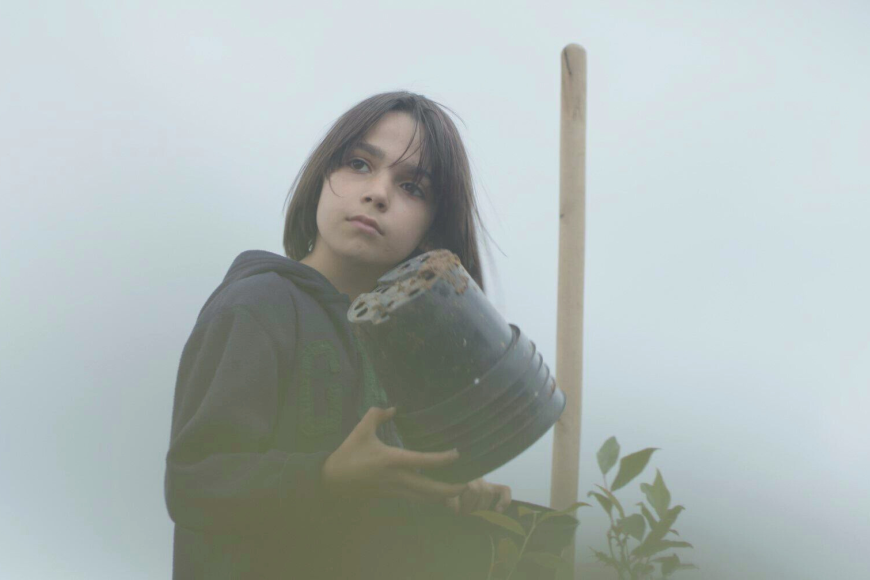
Filmstill Blueberry Dreams

Blueberry Dreams

Lurji motsvi
Elene Mikaberidze
Audience Competition 2024
Documentary Film
Georgia,
France,
Belgium,
Qatar
2024
76 minutes
Georgian,
Russian
Subtitles: 
English
In the north of Georgia, twelve kilometres from the Russian-influenced region of Abkhazia, a family are realising their dream. Under the optimistic motto “Plant the Future,” the Georgian government has launched a funding programme that enabled the people in this state which has been shaken by wars and crises for years to make a fresh start on their own farmland. With this support Soso, a retired engineer, took the big step in 2021 with his wife and two young sons and began growing blueberries.
Director Elene Mikaberidze and a dynamic camera follow the bold endeavour of the greenhorn farmers as they settle into their unfamiliar new life month by month. In the evenings, they pass the time with games and conversations, while the television is on in the background: images of a Ukraine under attack, news of the escalation in the Middle East remind the adults of the Russo-Georgian War sixteen years ago. Soso, the head of the family, contemplates his homeland in the midst of an escalating global situation. What dreams will still find a place there? Mother Nino is worried about her children’s future. She wants them to have the freedom to go their own way, to travel abroad and leave Georgia behind. Whether these ideas correspond with Soso’s remains to be seen.
Em Johrden

Credits DOK Leipzig Logo

Director
Elene Mikaberidze
Script
Elene Mikaberidze
Cinematographer
Patrick Wendt
Editor
Yannick Leroy, Phillipe Boucq
Producer
Elene Margvelashvili
Co-Producer
Baptiste Brunner, Isabelle Truc
Sound
Elene Mikaberidze
Sound Design
Marco Pascal
Broadcaster
Al Jazeera Documentary, Tënk, RTBF, Georgian Public Broadcaster
Nominated for: MDR Film Prize
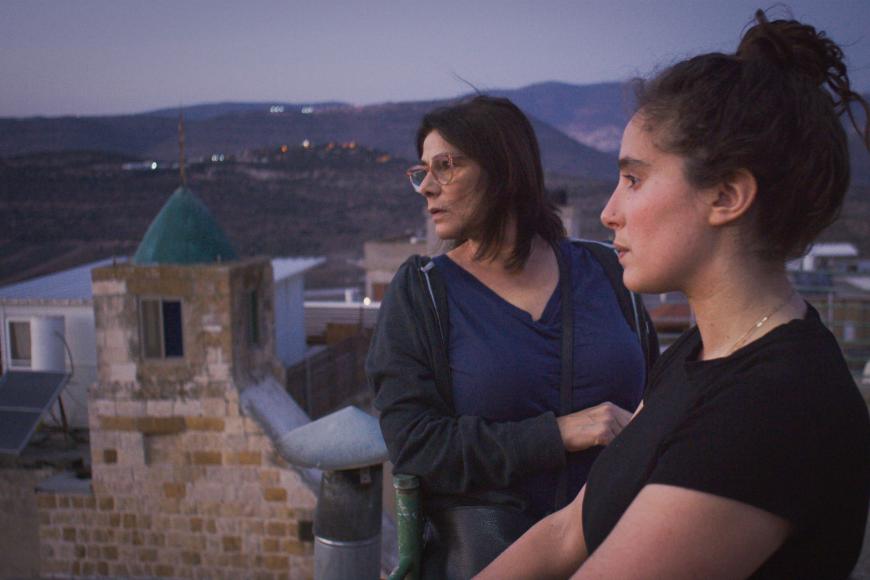
Filmstill Bye Bye Tiberias

Bye Bye Tiberias

Bye Bye Tibériade
Lina Soualem
Audience Competition 2023
Documentary Film
France,
Palestine,
Belgium,
Qatar
2023
82 minutes
French,
Arabic
Subtitles: 
English
The actor Hiam Abbass, who lives in France, is one of the greatest movie stars from the Middle East. She played leading roles in the award-winning films of Israeli director Eran Riklis, acted in Steven Spielberg’s “Munich” and recently in the U.S. hit series “Succession.” She served on the juries of the big Festivals in Cannes and Berlin, presented her own directing debut in Venice. But she is also a mother, daughter and sister in a large Palestinian family full of resourceful women. In this real role she steps in front of the camera in her daughter Lina Soualem’s work and travels back to her hometown of Deir Hanna in northern Israel – an Arab village in the Jewish state.

“Don’t open the gate to past sorrows,” the director quotes a kind of family dogma. It refers, among other things, to the family’s traumatic expulsion from Tiberias, the city on the Sea of Galilee, in the 1948 Palestine War. But with her confrontation of the family history, Soualem also opens gates to past joys and allegedly discarded identities. Between home videos, historical archive footage, photos and letters, Abbass is a touching and approachable screen presence as she returns to her roots. The long shadow of her origins also falls on a woman of the world.
Jan-Philipp Kohlmann

Credits DOK Leipzig Logo

Director
Lina Soualem
Script
Lina Soualem, Nadine Naous, Gladys Joujou
Cinematographer
Frida Marzouk
Editor
Gladys Joujou
Producer
Jean-Marie Nizan
Co-Producer
Guillaume Malandrin, Ossama Bawardi
Sound
Ludovic Escallier, Lina Soualem
Sound Design
Julie Tribout, Benoit Biral, Rémi Durel
Score
Amine Bouhafa
World Sales
Anna Berthollet
Commissioning Editor
Rasha Salti
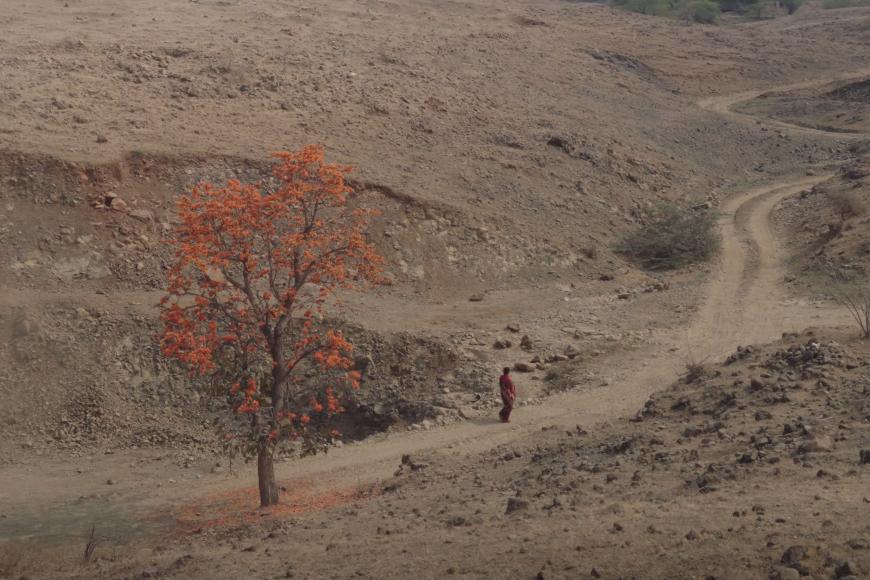
Filmstill Marching in the Dark

Marching in the Dark

Andhārātlyā mashālī
Kinshuk Surjan
Audience Competition 2024
Documentary Film
Belgium,
Netherlands,
India
2024
109 minutes
Marathi
Subtitles: 
English
Sanjivani, a young woman from a rural area in the state of Maharashtra in central India, is a loving and tender mother. After her husband’s suicide, she lives with her brother-in-law who makes her work in the fields. She is now solely responsible for her two kids, faced with a mountain of debt left by her husband and the structures of a patriarchal society that incapacitates and renders invisible widows like her. It is only when she joins a group of women who suffered similar fates that she slowly gains some self-confidence. She is not alone with her despair and grief – the suicide rate among peasants who took their lives in the face of crop failures and dumping prices on the globalised market is harrowing: 400,000 in the last twenty years.
Kinshuk Surjan not only observes people and circumstances with compassion; he also stands for a cinema that makes a difference. The women’s group he follows here only came together as a result of his film project. In impressive images and with great empathy for the protagonists he portrays, he not only succeeds in producing a careful representation of highly complex contexts, but also a truly documentary intervention into unacceptable conditions – with the aim of improving them.
Borjana Gaković

Credits DOK Leipzig Logo

Director
Kinshuk Surjan
Cinematographer
Leena Patoli, Carl Rottiers, Vishal Vittal
Editor
Joëlle Alexis
Producer
Evelien De Graef, Hanne Phlypo
Co-Producer
Arya Rothe, Digna Sinke
Sound
Puneet Dwivedi, Imtiyaz Jumnalkar
Sound Design
Mark Glynne, Olmo van Straalen
World Sales
Anna Berthollet