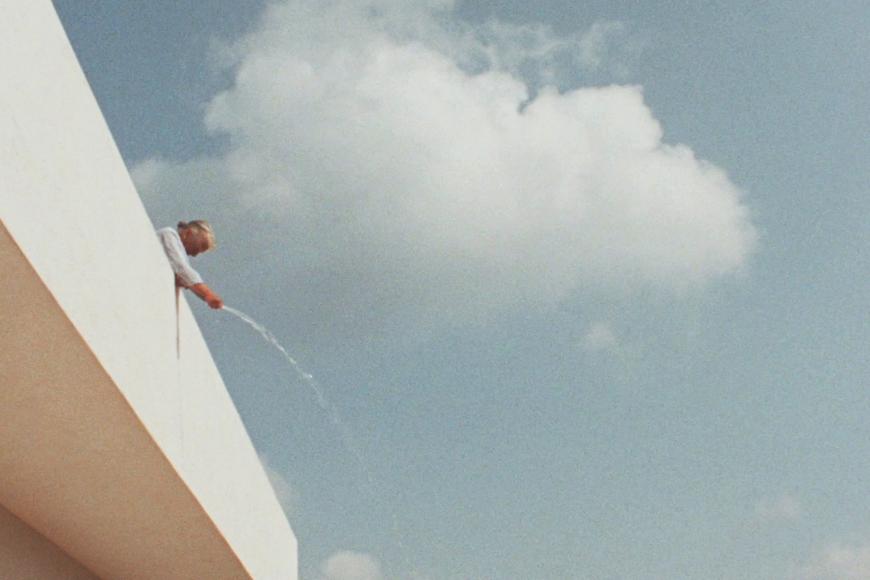
A virtuoso filmic reflection on automatisms in art and an encounter with Margaret Raspé on a Greek island, where the artist and filmmaker spends part of the year. Considered to be a pioneer of feminist German film, “I know where I am” is how she sums up her feeling on the island. Orientation in space, control and letting go are all central categories in her artistic practice.
In Laikipia, Kenya, indigenous shepherds and white ranch owners live in a fragile balance. But climate change and unresolved colonial tensions are increasingly calling this into question.
“It is places like Laikipia that make some Kenyans begin to ask: Are we really independent?” For centuries, this region in the central Kenyan highlands has been a grazing area for the Samburus’ animals. With colonialisation, white people began to settle there, built ranches and farmed cattle. After Kenya’s independence in 1963, they stayed on. So far, relations between them and the locals have been alright, albeit distant. Climate change, however, increases the potential for conflict in the country and intensifies the competition for resources. Laikipia has been suffering from the effects of global warming for several decades. Long periods of drought destroy the grassland the Samburu and their herds depend on. The white cattle farmers’ ranches and not least the privately managed and strictly guarded nature reserves cut through their traditional migration routes and block off the paths with electric fences. When elections are near, the disputes threaten to escalate. Daphne Matziaraki and Peter Murimi followed Kenyans of all parties over a period of five years and give them a chance to tell their stories in this film.